

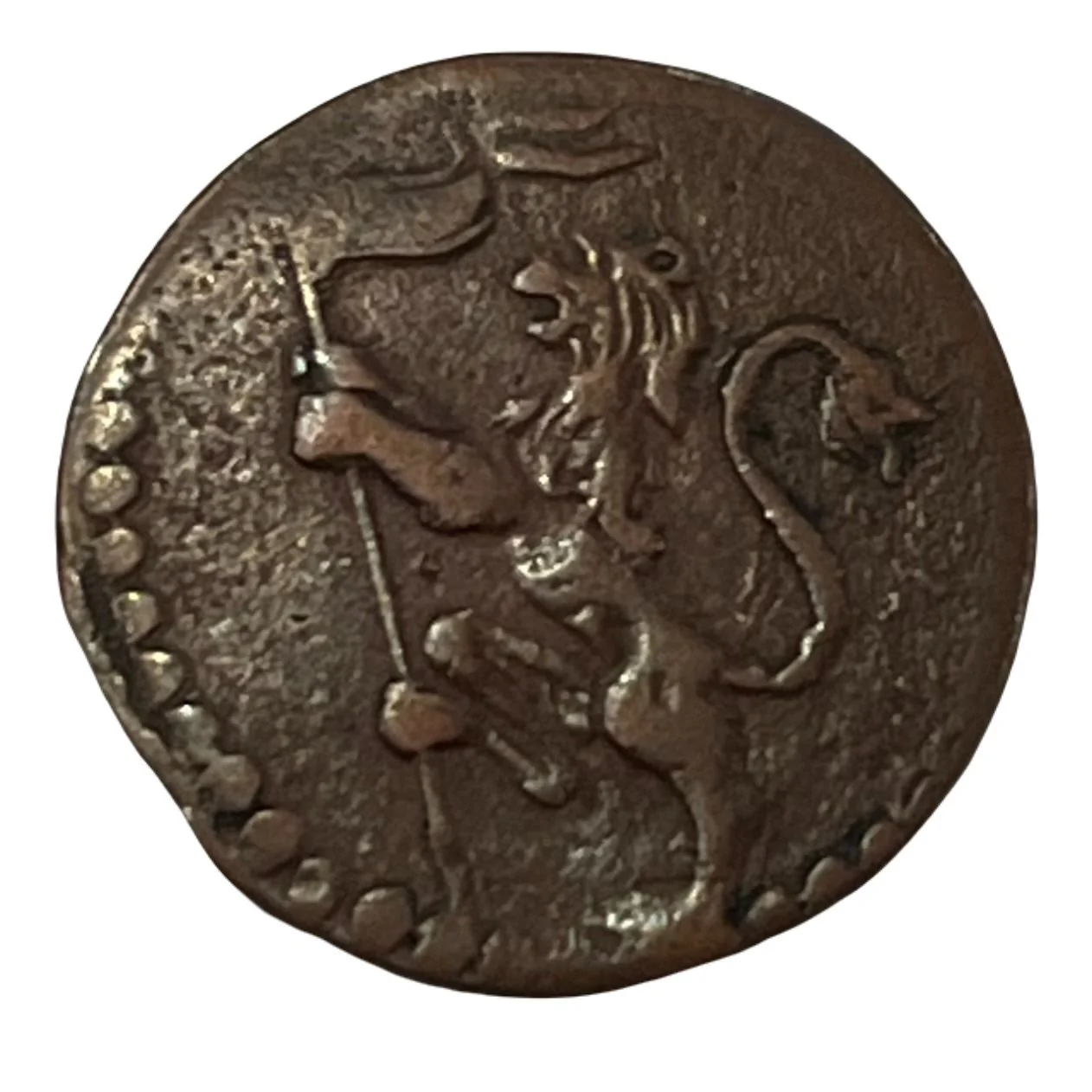
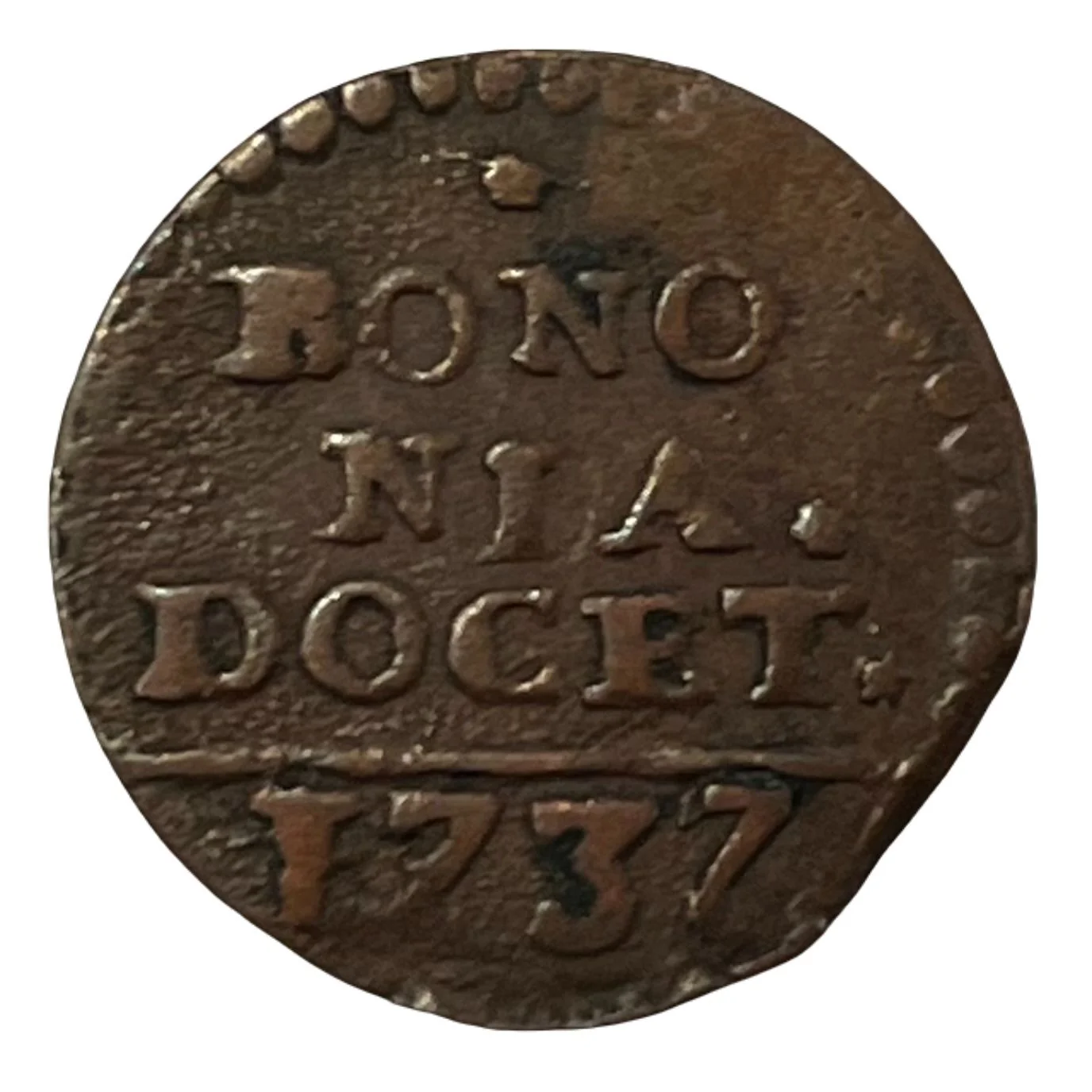
1 Quattrino – Bologna
Italy
Context
Years: 1730–1740
Country: Italy 
Issuer: Bologna
Ruler: Clement XII
Currency:
(1534—1835)
Demonetized: Yes
Material
Diameter: 20 mm
Weight: 1.7 g
Shape: Irregular round
Composition: Copper
Magnetic: No
Alignment: Medal alignment
flip
References
KM: #Click to copy to clipboard190
Numista: #349054
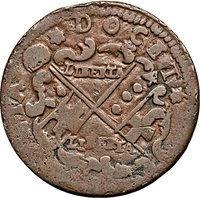
Obverse
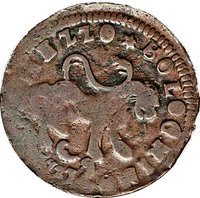
Reverse
Edge
Plain
Mints
| Name | Mark |
|---|---|
| Bologna | — |
Mintings
| Year | Mint Mark | Mintage | Quality | Collection |
|---|---|---|---|---|
| 1730 | — | — | ||
| 1731 | — | — | ||
| 1732 | — | — | ||
| 1733 | — | — | ||
| 1734 | — | — | ||
| 1735 | — | — | ||
| 1736 | — | — | ||
| 1737 | — | — | ||
| 1738 | — | — | ||
| 1739 | — | — | ||
| 1740 | — | — |
Historical background
In 1730, Bologna operated within the complex monetary landscape of the Papal States, to which it belonged. The city did not mint its own coinage; instead, its economy relied on a concurrent circulation of multiple currencies. The official system was based on the Papal scudo, divided into 10 paoli or 100 baiochi, but in daily practice, a plethora of foreign coins from other Italian states and beyond circulated freely. This included Venetian ducats, Florentine florins, and Spanish silver reales, their value constantly fluctuating against each other and the official papal rates based on intrinsic metal content and market demand.
This multiplicity created significant challenges for merchants, artisans, and the general populace. Everyday transactions required constant calculation and expertise, as the value of a coin was not simply its face value but its weight, fineness, and the current exchange "agio" (premium). The situation was further complicated by chronic shortages of small-denomination coinage (moneta spicciola), leading to the widespread practice of cutting larger silver coins into pieces to make change. This fragmentation physically degraded the currency in circulation, adding another layer of confusion and potential fraud.
The authorities, both local and papal, struggled to manage this chaotic system. Periodic edicts attempted to fix exchange rates between the various coins, but these were often ignored by the market, leading to a de facto dual system of official and market rates. The instability hindered commerce and credit, as contracts had to specify which currency was being used for payment. Thus, Bologna's currency situation in 1730 was characterized by a fragile and inefficient bimetallic (gold and silver) patchwork, a testament to the pre-modern challenges of monetary integration even within a single sovereign entity.
This multiplicity created significant challenges for merchants, artisans, and the general populace. Everyday transactions required constant calculation and expertise, as the value of a coin was not simply its face value but its weight, fineness, and the current exchange "agio" (premium). The situation was further complicated by chronic shortages of small-denomination coinage (moneta spicciola), leading to the widespread practice of cutting larger silver coins into pieces to make change. This fragmentation physically degraded the currency in circulation, adding another layer of confusion and potential fraud.
The authorities, both local and papal, struggled to manage this chaotic system. Periodic edicts attempted to fix exchange rates between the various coins, but these were often ignored by the market, leading to a de facto dual system of official and market rates. The instability hindered commerce and credit, as contracts had to specify which currency was being used for payment. Thus, Bologna's currency situation in 1730 was characterized by a fragile and inefficient bimetallic (gold and silver) patchwork, a testament to the pre-modern challenges of monetary integration even within a single sovereign entity.
💎 Extremely Rare