

½ real – Peru
Add to wishlist
Peru
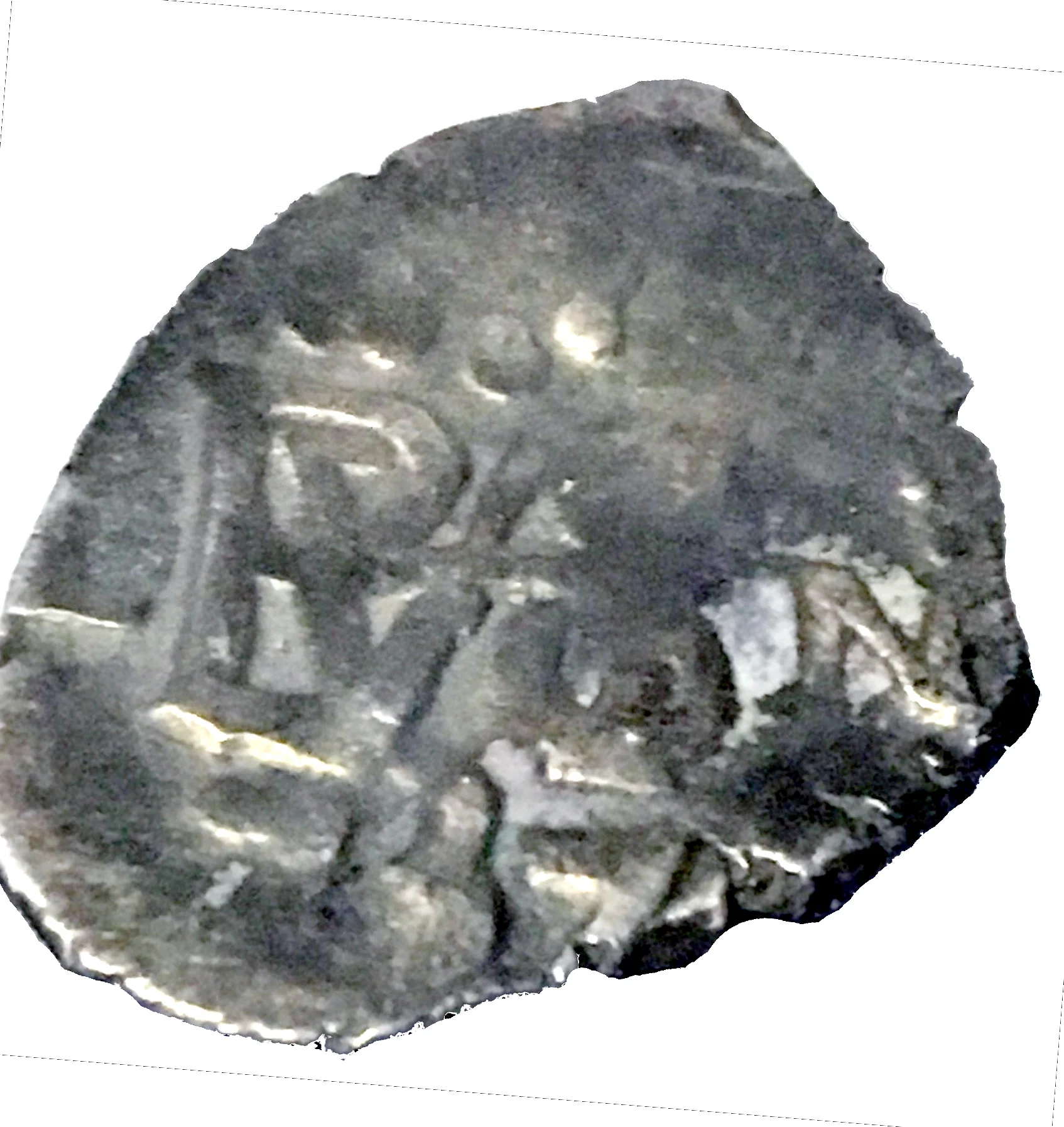
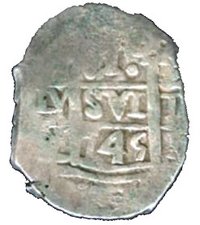
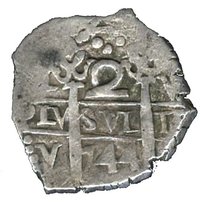
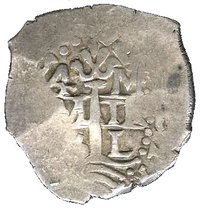
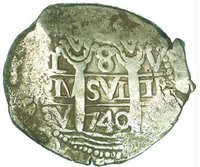
Obverse
Description:
Felipe V's royal cipher.
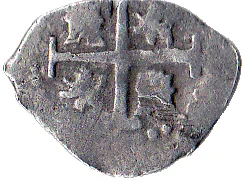
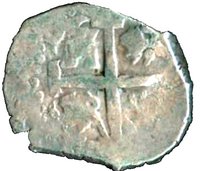
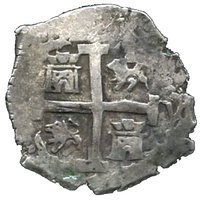
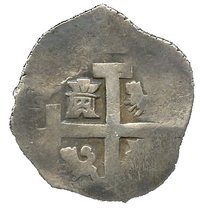
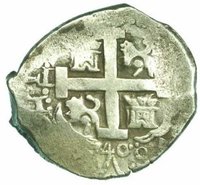
Reverse
Description:
Jerusalem Cross with lions and castles in the quarters.
Edge
Mintings
| Year | Mint Mark | Mintage | Quality | Collection |
|---|---|---|---|---|
| 1729 | N | — | ||
| 1730 | N | — | ||
| 1731 | N | — | ||
| 1732 | N | — | ||
| 1733 | N | — | ||
| 1734 | N | — | ||
| 1735 | N | — | ||
| 1736 | N | — | ||
| 1737 | N | — | ||
| 1738 | N | — | ||
| 1739 | N | — | ||
| 1739 | V | — | ||
| 1740 | N | — | ||
| 1740 | V | — | ||
| 1741 | V | — | ||
| 1742 | V | — | ||
| 1743 | V | — | ||
| 1744 | V | — | ||
| 1745 | V | — | ||
| 1746 | V | — | ||
| 1747 | V | — |
Historical background
In 1729, the currency situation in the Viceroyalty of Peru was characterized by severe scarcity and administrative confusion, a legacy of the preceding decades. The primary unit of account was the silver peso (or "piece of eight"), but the physical circulation was a chaotic mix of Peruvian-minted coins, older and often clipped Spanish coins, and a vast quantity of crude, irregular macuquina cobs. These cobs, hammer-struck and easily debased, facilitated widespread fraud. Furthermore, a critical shortage of small-denomination vellón (copper) coinage paralyzed everyday market transactions, causing hardship for the general populace and stifling local commerce. This scarcity was exacerbated by the massive outflow of silver to Spain and the diversion of Peruvian mint production to finance other colonial territories.
The year itself was a point of transition within a longer reform process. Since 1720, the Spanish Crown had been attempting to impose order by introducing modern, machine-struck coins from the new mints in Mexico and, later, Lima (which began operating in 1696). The beautiful, pillar-designed columnarios were intended to replace the macuquina cobs. However, in 1729, this replacement was still incomplete. The old cobs remained in widespread use, especially in remote provinces, creating a dual and unstable monetary system. The authorities grappled with setting consistent exchange rates between the old and new coinage, while also combating smuggling and the persistent illegal circulation of debased and foreign coins.
Ultimately, the monetary landscape of 1729 reflected the broader tensions of the Spanish Empire: rich in precious metals but struggling with bureaucratic inefficiency and economic distortion. The scarcity of small change crippled the internal economy, while the government's focus remained on ensuring the purity and quantity of silver shipments for the Crown's transatlantic revenue. True standardization would only gradually be achieved in the following decades, notably with the widespread minting of the pillar columnario design, but in 1729, Peru's currency system remained fragmented, unreliable, and a significant obstacle to domestic economic integration.
The year itself was a point of transition within a longer reform process. Since 1720, the Spanish Crown had been attempting to impose order by introducing modern, machine-struck coins from the new mints in Mexico and, later, Lima (which began operating in 1696). The beautiful, pillar-designed columnarios were intended to replace the macuquina cobs. However, in 1729, this replacement was still incomplete. The old cobs remained in widespread use, especially in remote provinces, creating a dual and unstable monetary system. The authorities grappled with setting consistent exchange rates between the old and new coinage, while also combating smuggling and the persistent illegal circulation of debased and foreign coins.
Ultimately, the monetary landscape of 1729 reflected the broader tensions of the Spanish Empire: rich in precious metals but struggling with bureaucratic inefficiency and economic distortion. The scarcity of small change crippled the internal economy, while the government's focus remained on ensuring the purity and quantity of silver shipments for the Crown's transatlantic revenue. True standardization would only gradually be achieved in the following decades, notably with the widespread minting of the pillar columnario design, but in 1729, Peru's currency system remained fragmented, unreliable, and a significant obstacle to domestic economic integration.
Series: 1729 Peru circulation coins
💎 Extremely Rare