

8 reales – Peru
Add to wishlist
Peru
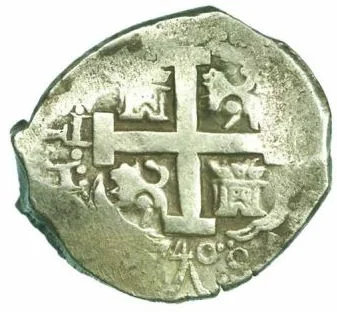
Obverse
Description:
Jerusalem cross with lions and castles in its quarters.
Inscription:
PHILIPVS V • D • G • HISPANA
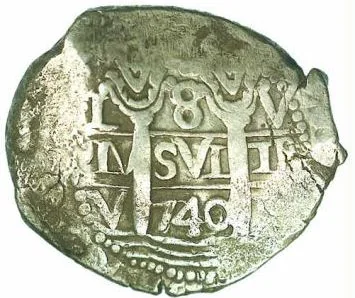
Reverse
Description:
Pillars, workshop, value, date.
Inscription:
PLVS VLTR(A)
Edge
Mintings
| Year | Mint Mark | Mintage | Quality | Collection |
|---|---|---|---|---|
| 1726 | LM | — | ||
| 1727 | LM | — | ||
| 1728 | LN | — | ||
| 1729 | LN | — | ||
| 1730 | LN | — | ||
| 1731 | LN | — | ||
| 1732 | LN | — | ||
| 1733 | LN | — | ||
| 1734 | LN | — | ||
| 1735 | LN | — | ||
| 1736 | LN | — | ||
| 1737 | LN | — | ||
| 1738 | LN | — | ||
| 1739 | LN | — | ||
| 1739 | LV | — | ||
| 1740 | LN | — | ||
| 1740 | LV | — | ||
| 1741 | LV | — | ||
| 1742 | LV | — | ||
| 1743 | LV | — | ||
| 1744 | LV | — | ||
| 1745 | LV | — | ||
| 1746 | LV | — |
Historical background
In 1726, the currency situation in the Viceroyalty of Peru was defined by a severe shortage of circulating coinage, a problem rooted in systemic issues within the Spanish colonial economy. The primary source of silver, the legendary mines of Potosí (in modern Bolivia), had entered a period of declining yields, while the Crown's insistence on shipping vast quantities of minted pesos to Spain via the annual treasure fleets drained the local supply. Furthermore, a significant portion of silver was diverted into illicit trade or was hoarded by merchants and elites, exacerbating the scarcity for everyday transactions. This chronic lack of official coinage severely hampered commerce and led to widespread economic stagnation across the viceroyalty.
The official response to this crisis was the minting of moneda macuquina, or "cob" coinage, at the Lima mint. These coins, crudely hammered and irregularly shaped, were a pragmatic solution to produce currency quickly from the available silver. However, their inconsistent weight and purity made them prone to clipping and counterfeiting, undermining trust in the monetary system. To facilitate local trade in the absence of sufficient silver, people increasingly resorted to barter or the use of unofficial tokens and credit notes issued by merchants and hacienda owners, creating a fragmented and unreliable monetary environment.
This monetary instability occurred against a backdrop of broader imperial reform. The Bourbon monarchy, having recently consolidated power after the War of Spanish Succession, was beginning to turn its attention to tightening control over its American colonies and increasing fiscal efficiency. The currency woes in Peru highlighted the vulnerabilities of the old Habsburg system. While a comprehensive monetary reform—specifically the introduction of milled, machine-struck coins of uniform size and weight—was still decades away (the Lima mint would begin this transition in the 1750s), the difficulties of 1726 underscored the pressing need for modernization that would become a hallmark of the Bourbon Reforms later in the century.
The official response to this crisis was the minting of moneda macuquina, or "cob" coinage, at the Lima mint. These coins, crudely hammered and irregularly shaped, were a pragmatic solution to produce currency quickly from the available silver. However, their inconsistent weight and purity made them prone to clipping and counterfeiting, undermining trust in the monetary system. To facilitate local trade in the absence of sufficient silver, people increasingly resorted to barter or the use of unofficial tokens and credit notes issued by merchants and hacienda owners, creating a fragmented and unreliable monetary environment.
This monetary instability occurred against a backdrop of broader imperial reform. The Bourbon monarchy, having recently consolidated power after the War of Spanish Succession, was beginning to turn its attention to tightening control over its American colonies and increasing fiscal efficiency. The currency woes in Peru highlighted the vulnerabilities of the old Habsburg system. While a comprehensive monetary reform—specifically the introduction of milled, machine-struck coins of uniform size and weight—was still decades away (the Lima mint would begin this transition in the 1750s), the difficulties of 1726 underscored the pressing need for modernization that would become a hallmark of the Bourbon Reforms later in the century.

✨ Legendary