

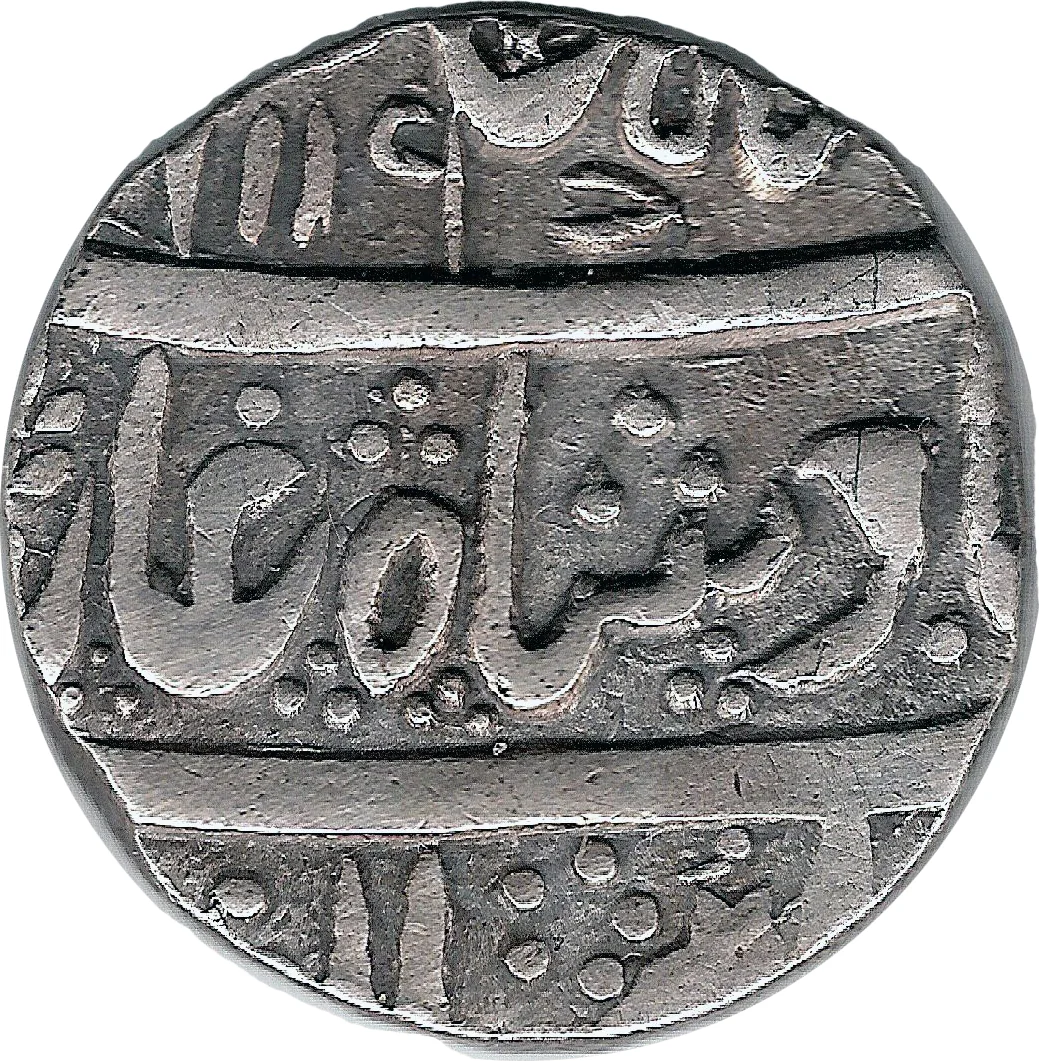
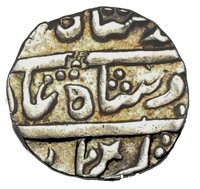
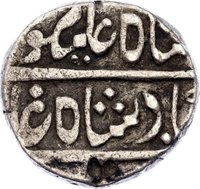
Obverse
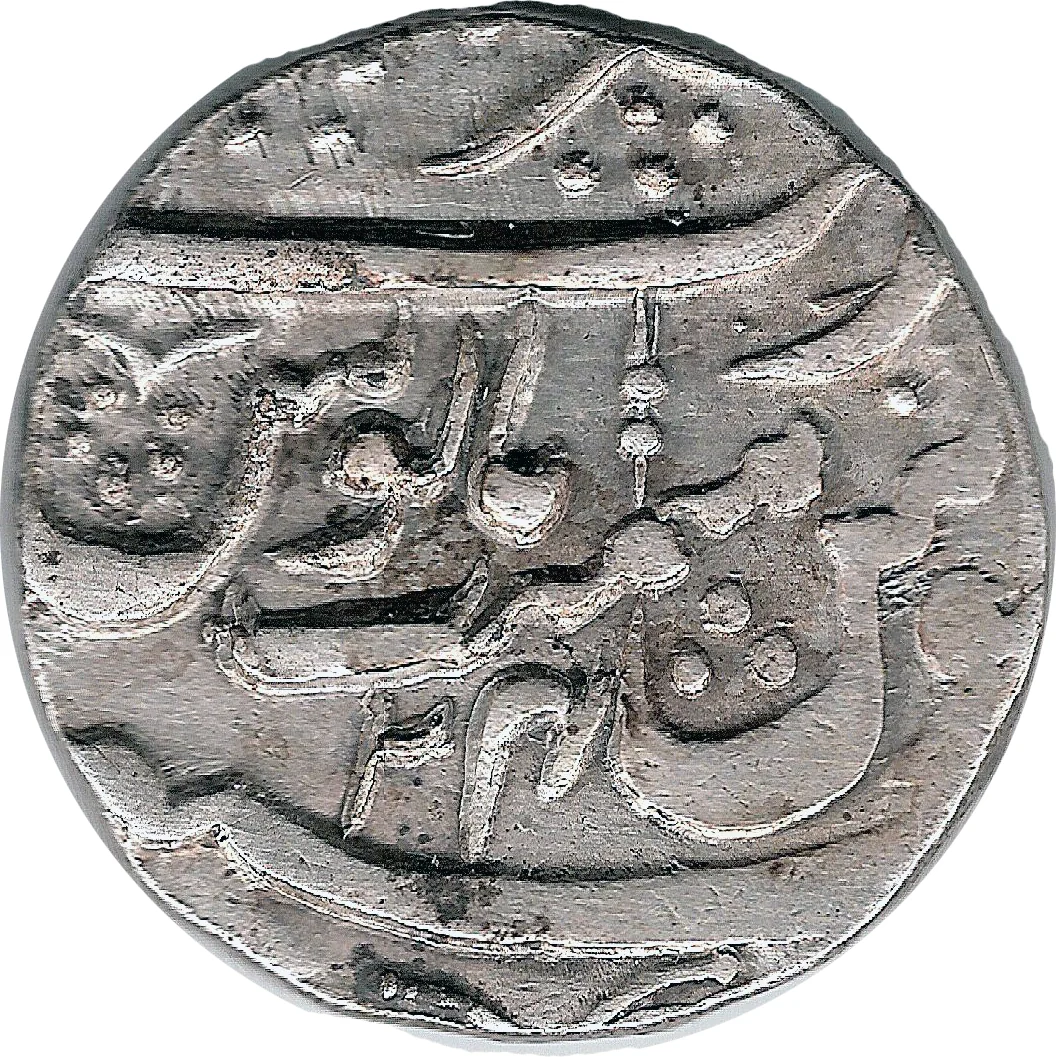
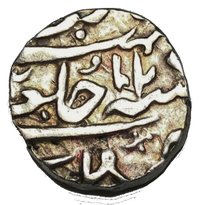
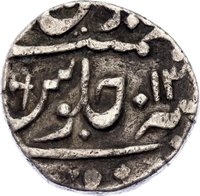
Reverse
Edge
Plain
Mintings
| Year | Mint Mark | Mintage | Quality | Collection |
|---|---|---|---|---|
| 1774 | — | — | ||
| 1776 | — | — | ||
| 1783 | — | — |
Historical background
By 1774, the Maratha Empire, under the nominal leadership of the young Peshwa Madhavrao I, was a vast but increasingly decentralized confederacy. The real power resided with powerful chiefs like Mahadji Shinde in the north and the Holkars and Bhonsles in their respective regions. This political fragmentation was directly mirrored in the monetary system. There was no single, standardized imperial currency; instead, a complex mosaic of regional and local coinages circulated, issued by various mints (taksals) controlled by the Peshwa in Pune, the Satara Chhatrapati, and the major sardars.
The primary silver coin was the rupee, but its weight, purity (fineness), and design varied significantly depending on where it was minted. Key types included the Hali Sicca (of newer minting), the Ankushi rupee (from Pune, marked with an elephant goad), and the Chandori rupee (from the Nagpur region). Alongside these, a flood of older Mughal rupees and coins from neighboring states like Hyderabad and the European trading companies also circulated, requiring constant assessment by money changers (sarrafs). The backbone of everyday local trade, however, was the copper paisa, issued in even greater variety by local mints, leading to chronic issues of forgery and debasement.
This monetary heterogeneity created persistent challenges for trade and administration across the empire. Revenue collection and military financing, especially for the large armies of the sardars, were complicated by the need to constantly evaluate and convert currencies. The system relied heavily on the expertise of the banker and merchant class to facilitate exchange and credit. While not yet in a state of crisis, the currency situation of 1774 reflected the empire's underlying political tensions, where central control was weakening, and regional satraps were asserting their own economic sovereignty, setting the stage for the financial strains that would increase in the coming decades.
The primary silver coin was the rupee, but its weight, purity (fineness), and design varied significantly depending on where it was minted. Key types included the Hali Sicca (of newer minting), the Ankushi rupee (from Pune, marked with an elephant goad), and the Chandori rupee (from the Nagpur region). Alongside these, a flood of older Mughal rupees and coins from neighboring states like Hyderabad and the European trading companies also circulated, requiring constant assessment by money changers (sarrafs). The backbone of everyday local trade, however, was the copper paisa, issued in even greater variety by local mints, leading to chronic issues of forgery and debasement.
This monetary heterogeneity created persistent challenges for trade and administration across the empire. Revenue collection and military financing, especially for the large armies of the sardars, were complicated by the need to constantly evaluate and convert currencies. The system relied heavily on the expertise of the banker and merchant class to facilitate exchange and credit. While not yet in a state of crisis, the currency situation of 1774 reflected the empire's underlying political tensions, where central control was weakening, and regional satraps were asserting their own economic sovereignty, setting the stage for the financial strains that would increase in the coming decades.
✨ Legendary