

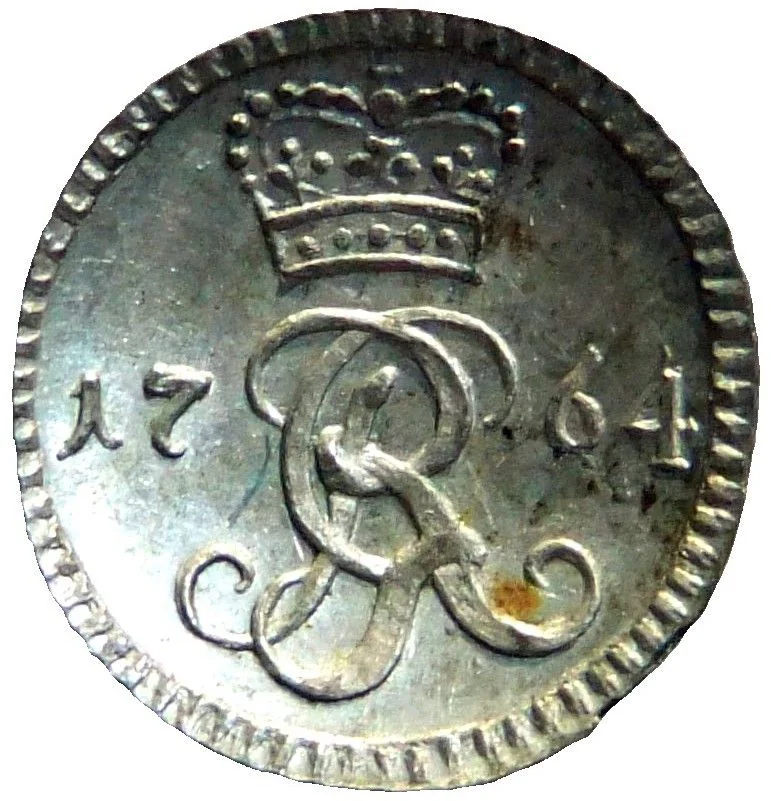

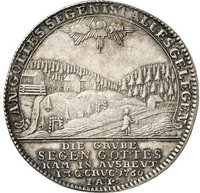
1 pfennig – Brunswick-Lüneburg-Calenberg-Hannover
Add to wishlist
Germany
Context
Material
References
KM: #
Numista: #458636
Value
Bullion value: $0.83
Mints
| Name | Mark |
|---|---|
| Clausthal | — |
Mintings
| Year | Mint Mark | Mintage | Quality | Collection |
|---|---|---|---|---|
| 1764 | — | — |
Historical background
In 1764, the currency situation in the Duchy of Brunswick-Lüneburg, specifically the Principality of Calenberg (with its capital in Hanover), was characterized by significant complexity and instability. The region operated within a fragmented monetary system common to the Holy Roman Empire, where multiple coinage standards and circulating mediums coexisted. Alongside local issues, a plethora of foreign coins, particularly from neighboring German states, circulated freely, their value fluctuating based on intrinsic metal content and proclamation. This created a chaotic environment for trade and daily transactions, exacerbated by the lingering effects of the Seven Years' War (1756-1763), which had drained state coffers and led to wartime debasements.
The core of the problem lay in the concurrent use of two major accounting systems: the Reichsthaler (Imperial Thaler), used for larger transactions and state accounting, and the Conventionsthaler, a slightly different standard used in much of southern Germany. These were subdivided into Gute Groschen and Mariengroschen in daily life. Furthermore, the state faced a severe shortage of small change (Scheidemünzen), crucial for ordinary commerce, leading to widespread inconvenience and the circulation of inferior private tokens. The monetary disorder hindered economic recovery, confused the populace, and facilitated fraud, posing a direct challenge to state authority and fiscal health.
Recognizing this crisis, the Hanoverian government under the regency for the young King George III of Great Britain (who was also Elector of Hanover) was actively seeking reform. The year 1764 fell within a period of post-war assessment and preparation. While a major comprehensive currency reform would not be fully enacted until the Münzedikt of 1768, the groundwork was being laid. The goal was to standardize the coinage, regulate the monetary chaos, and reassert princely control over minting, ultimately aiming to stabilize the economy and simplify the taxing and accounting processes of the state.
The core of the problem lay in the concurrent use of two major accounting systems: the Reichsthaler (Imperial Thaler), used for larger transactions and state accounting, and the Conventionsthaler, a slightly different standard used in much of southern Germany. These were subdivided into Gute Groschen and Mariengroschen in daily life. Furthermore, the state faced a severe shortage of small change (Scheidemünzen), crucial for ordinary commerce, leading to widespread inconvenience and the circulation of inferior private tokens. The monetary disorder hindered economic recovery, confused the populace, and facilitated fraud, posing a direct challenge to state authority and fiscal health.
Recognizing this crisis, the Hanoverian government under the regency for the young King George III of Great Britain (who was also Elector of Hanover) was actively seeking reform. The year 1764 fell within a period of post-war assessment and preparation. While a major comprehensive currency reform would not be fully enacted until the Münzedikt of 1768, the groundwork was being laid. The goal was to standardize the coinage, regulate the monetary chaos, and reassert princely control over minting, ultimately aiming to stabilize the economy and simplify the taxing and accounting processes of the state.
✨ Legendary