

1 quattrino – Ravenna
Add to wishlist
Italy
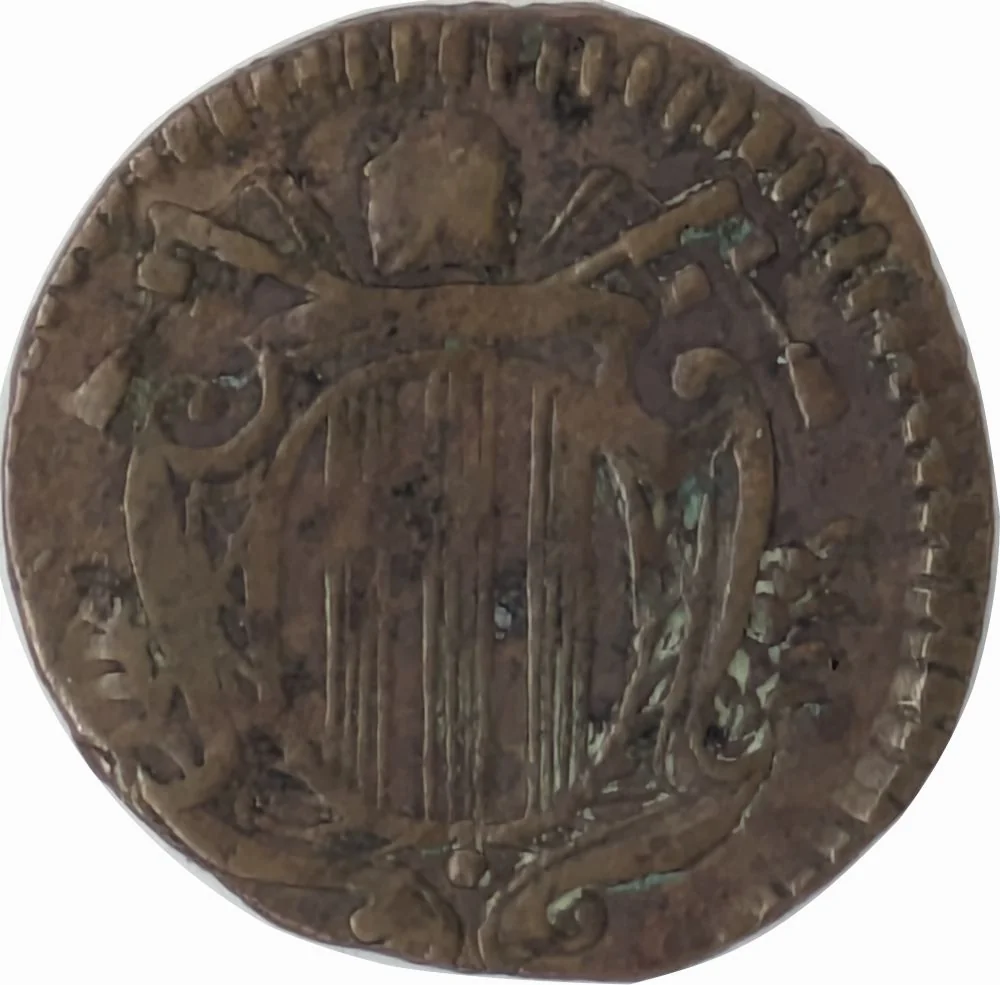
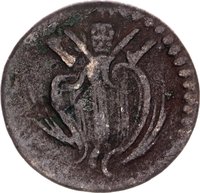
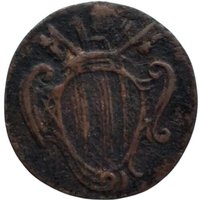
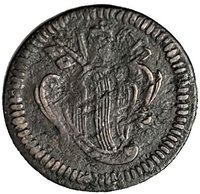
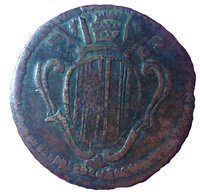
Obverse
Description:
Heraldic emblem
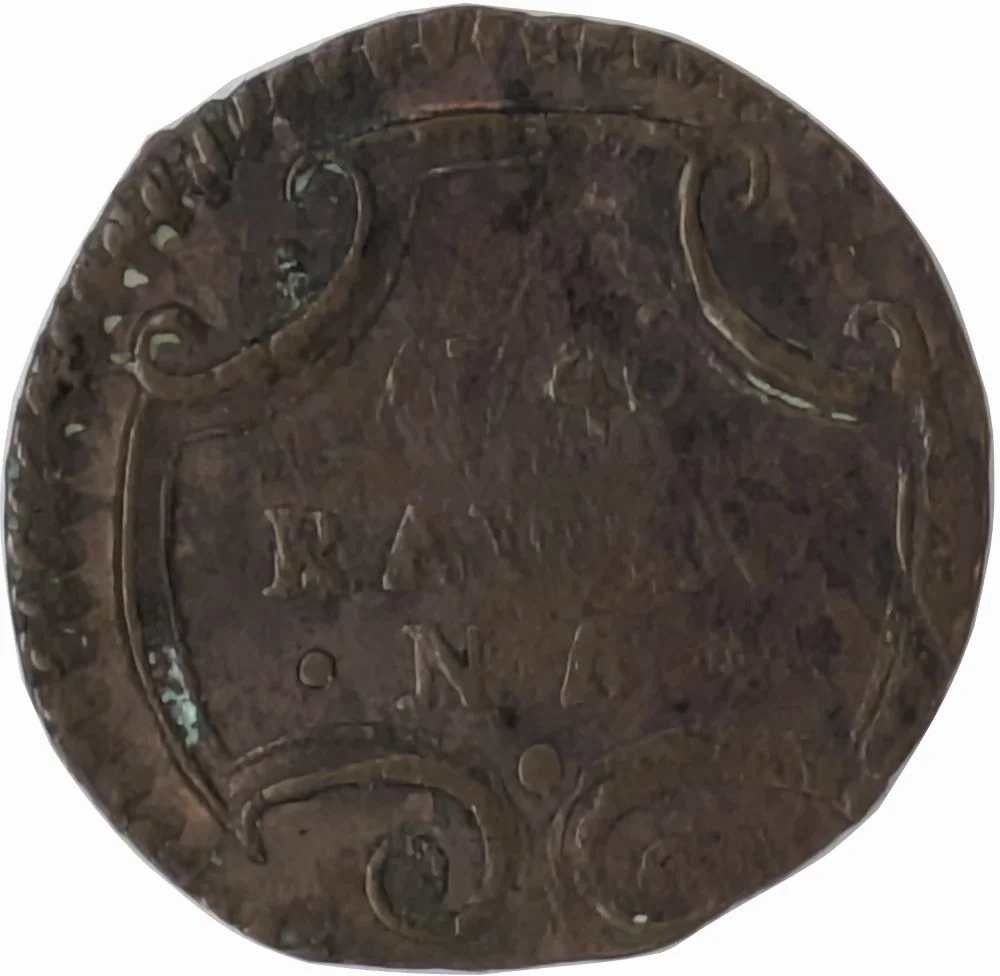
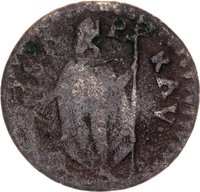
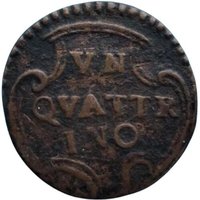
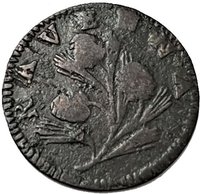
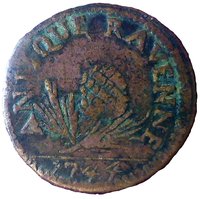
Reverse
Edge
Categories
| Symbols> Coat of Arms |
Mints
| Name | Mark |
|---|---|
| Ravenna | — |
Mintings
| Year | Mint Mark | Mintage | Quality | Collection |
|---|---|---|---|---|
| — | — | — |
Historical background
In 1740, Ravenna, as part of the Papal States, operated within a complex and often chaotic monetary system. The city did not mint its own coinage but used a variety of currencies circulating under the authority of the Pope in Rome. The primary unit of account was the Papal Scudo, divided into 100 Baiocchi, but in daily commerce, this coexisted with a multitude of physical coins from other Italian states, foreign empires, and older issues. This included Venetian ducats, Florentine florins, Spanish silver pieces, and even debased local imitations, creating a marketplace where merchants had to be expert numismatists to assess the true weight and silver content of each coin.
The situation was further complicated by the economic policies of Pope Clement XII (reigned 1730-1740), who died in that very year. His pontificate had seen efforts to reform public finances and curb excessive spending, but the monetary realm remained fragmented. The value of coins was not strictly tied to their face value but to their precious metal content, leading to constant fluctuation and arbitrage. Gresham's Law was in full effect, with "good" full-weight silver scudi being hoarded or exported, while "bad" worn or debased coins dominated everyday transactions, effectively taxing the common people.
For Ravenna's citizens, this monetary jungle created significant daily hardship and uncertainty. Prices were unstable, and simple purchases required tedious negotiation over the specific coins to be used. The lack of uniform, trustworthy currency stifled commerce and was a persistent grievance among the merchant class. While 1740 did not mark a specific monetary crisis for the city, it existed within this enduring state of financial ambiguity, a microcosm of the pre-modern European economy where monetary sovereignty was weak and the trust in currency was as vital as the metal from which it was struck.
The situation was further complicated by the economic policies of Pope Clement XII (reigned 1730-1740), who died in that very year. His pontificate had seen efforts to reform public finances and curb excessive spending, but the monetary realm remained fragmented. The value of coins was not strictly tied to their face value but to their precious metal content, leading to constant fluctuation and arbitrage. Gresham's Law was in full effect, with "good" full-weight silver scudi being hoarded or exported, while "bad" worn or debased coins dominated everyday transactions, effectively taxing the common people.
For Ravenna's citizens, this monetary jungle created significant daily hardship and uncertainty. Prices were unstable, and simple purchases required tedious negotiation over the specific coins to be used. The lack of uniform, trustworthy currency stifled commerce and was a persistent grievance among the merchant class. While 1740 did not mark a specific monetary crisis for the city, it existed within this enduring state of financial ambiguity, a microcosm of the pre-modern European economy where monetary sovereignty was weak and the trust in currency was as vital as the metal from which it was struck.
Series: 1740 Ravenna circulation coins
✨ Legendary