Logo Title
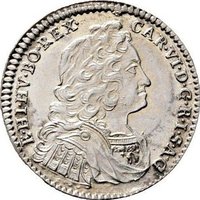
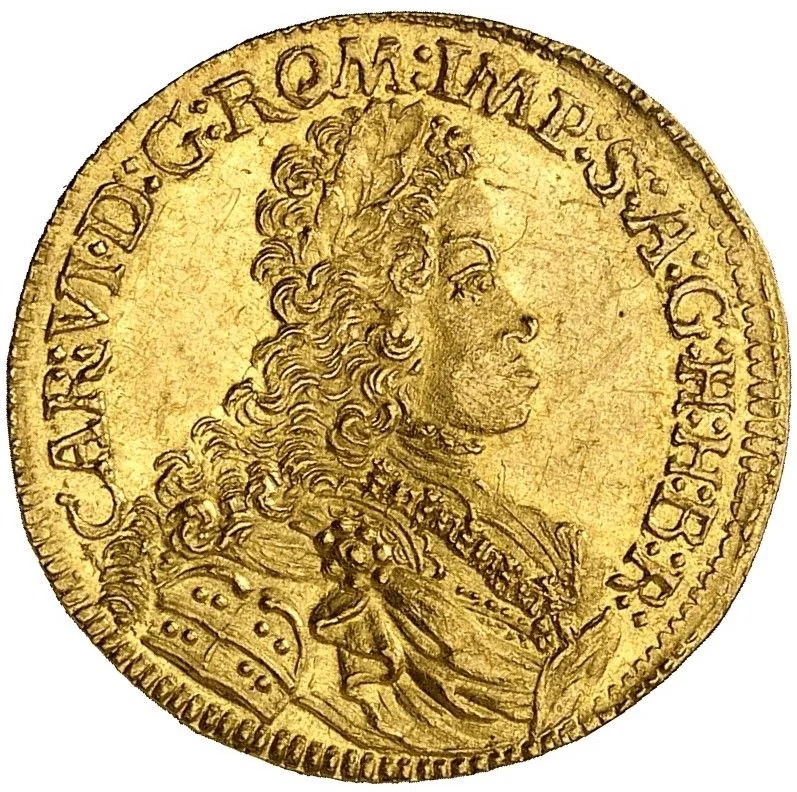
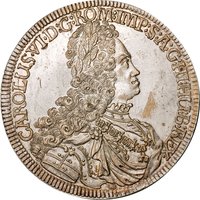
obverse
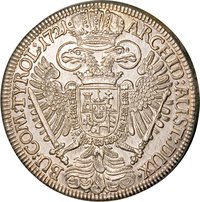
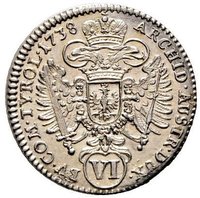
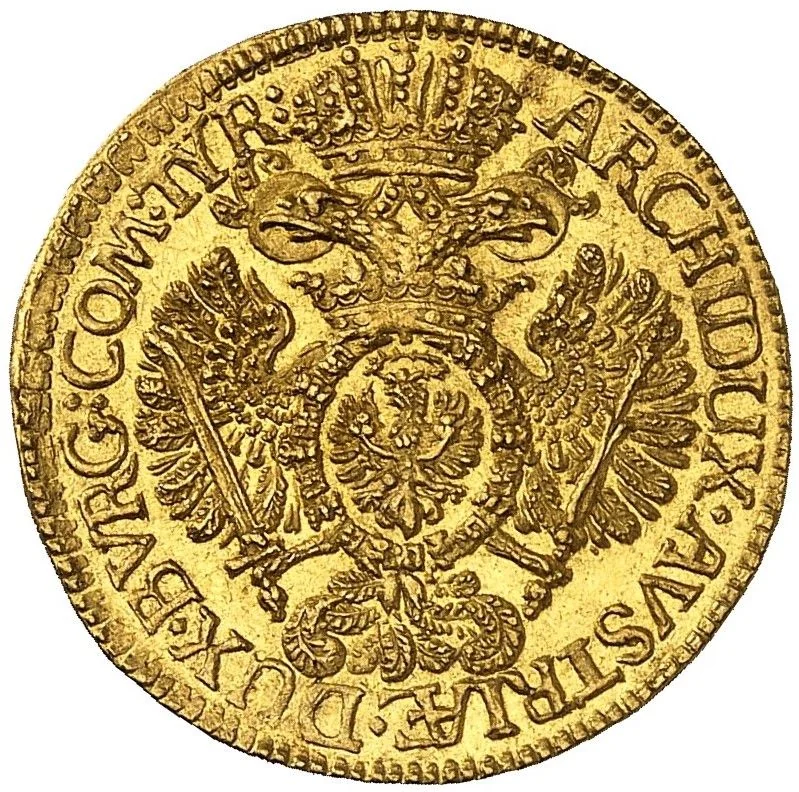
reverse
Fritz Rudolf Künker GmbH & Co. KG, Osnabrück and Lübke & Wiedemann KG, Leonberg

1 Ducat – County of Tyrol

Austria
Context
Years: 1722–1723
Year: 1723
Country: Austria Country flag
Currency:
Demonetized: Yes
Material
Weight: 3.5 g
Gold weight: 3.45 g
Shape: Round
Composition: 98.6% Gold
Magnetic: No
Technique: Milled
References
KM: #Click to copy to clipboard1612
Numista: #452228
Value
Bullion value: $573.13

Obverse

Description:
Young victor in armor, facing right.
Inscription:
CAR VI D G ROM IMP S A G H H B R
Script: Latin

Reverse

Description:
Imperial double-headed eagle bearing a coat of arms on its breast.
Inscription:
ARCHIDUX AVSTRIÆ DUX BVRG COM TYR
Script: Latin

Edge

Plain
Mints

NameMark
Hall

Mintings

YearMint MarkMintageQualityCollection
1722
1723

Historical background

In 1722, the County of Tyrol, a strategic Alpine territory within the Habsburg Empire, faced a complex and challenging currency situation typical of the early modern period. The region's economy was characterized by a bewildering multiplicity of coins in circulation. Alongside official Tyrolean issues from the mints in Hall and Meran, there was a significant influx of foreign currency, particularly from the numerous German states to the north and Italian states to the south, due to Tyrol's role as a vital trade corridor. This created a chaotic monetary environment where the value and silver content of coins varied widely, leading to frequent confusion, fraud, and disputes in daily commerce.

The root of the instability lay in the practice of debasement. The Habsburg state, frequently strained by the costs of war and administration, often reduced the precious metal content in newly minted coins while mandating they have the same face value as older, purer coins. This led to Gresham's Law in action, where "bad money drives out good." Hoarders and merchants would selectively remove the older, full-weight coins from circulation for melting or export, leaving the economy flooded with inferior currency. This eroded public trust, caused price inflation, and disrupted both local trade and the crucial transit commerce upon which Tyrol's prosperity depended.

While the Habsburg authorities were aware of the problem, effective solutions remained elusive in 1722. Centralized control over the monetary system was difficult to enforce, and attempts at currency reforms were often temporary or undermined by immediate fiscal needs. Thus, the people of Tyrol navigated their daily transactions within a fragile system, reliant on the meticulous assessments of money changers and the fluctuating market rates (agio) between countless coin types, a constant reminder of the tension between imperial finance and regional economic stability.
Legendary