Logo Title
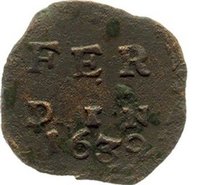
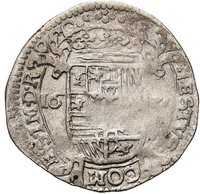
obverse
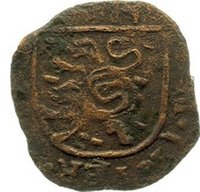
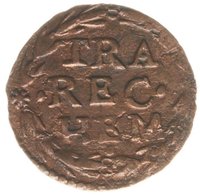
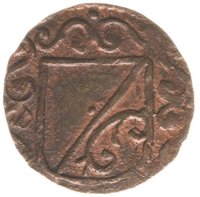
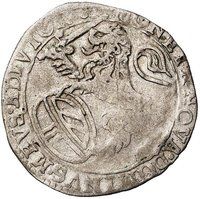
reverse
Heritage Auctions Europe

Duit – Lordship of Reckheim

Belgium
Context
Years: 1626–1665
Country: Belgium Country flag
Currency:
(1553—1665)
Demonetized: Yes
Material
Composition: Copper
Magnetic: No
Technique: Hammered
Alignment: Medal alignment
Obverse
OBVERSE ↑
flip
Reverse
REVERSE ↑
References
KM: #Click to copy to clipboard52
Numista: #447597

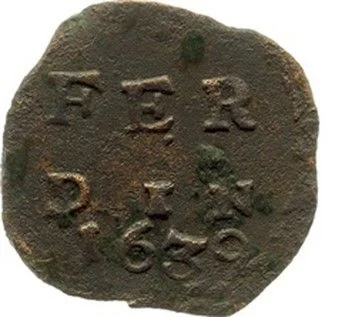
Obverse

Description:
Two-line inscription, date below, within tulip wreath.
Inscription:
FER

DIN

1639
Script: Latin

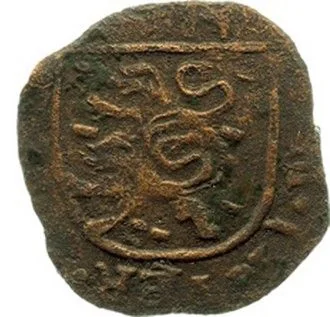
Reverse

Description:
Two lions stacked.
Inscription:
COM IMPER IN REC
Script: Latin

Edge

Mints

NameMark
Rekem, Reckheim

Mintings

YearMint MarkMintageQualityCollection
1626
1629
1633
1635
1639
1640
1641
1659

Historical background

In 1626, the Lordship of Reckheim, a minor German territory within the Holy Roman Empire, finds its currency situation defined by profound instability and complexity. As a small lordship, Reckheim lacks the authority to mint its own primary coinage and is instead subject to the monetary policies of larger entities. It operates within the currency sphere of the nearby Episcopal Prince-Bishopric of Münster, but the wider region is flooded with a chaotic mix of coins from hundreds of imperial mints, foreign currencies like Dutch leeuwendaalders, and debased "Kipper und Wipper" coinage. This period, the height of the Kipper und Wipper inflation, sees unscrupulous princes and mint masters drastically reducing the precious metal content of coins to fund the escalating Thirty Years' War, leading to a severe loss of public trust in money itself.

The local economy of Reckheim is therefore plagued by a dual crisis: rampant inflation and bewildering variety. Traders and peasants must navigate a daily reality where the value of a coin is not determined by its face but by its weight, metal, origin, and current rate of exchange—all fluctuating wildly. The lordship’s authorities likely attempt to enforce published "currency ordinances" that set official exchange rates for the myriad coins in circulation, but these are constantly outdated by market realities and the influx of ever-worse debased money. This monetary chaos stifles commerce, encourages hoarding of good silver, and creates significant hardship for the population, who are paid in poor coin but see prices for essential goods soar.

Ultimately, Reckheim's currency situation in 1626 is a microcosm of the Empire’s broader dysfunction during the war. The lack of a centralized imperial monetary authority leaves small territories like Reckheim vulnerable to economic forces beyond their control. The lordship’s fiscal health is less about its own management and more about its exposure to the inflationary policies of its more powerful neighbors and the relentless financial demands of marching armies. Stability in Reckheim’s money will only return with the wider peace and imperial reforms that conclude the Thirty Years' War decades later.
Legendary