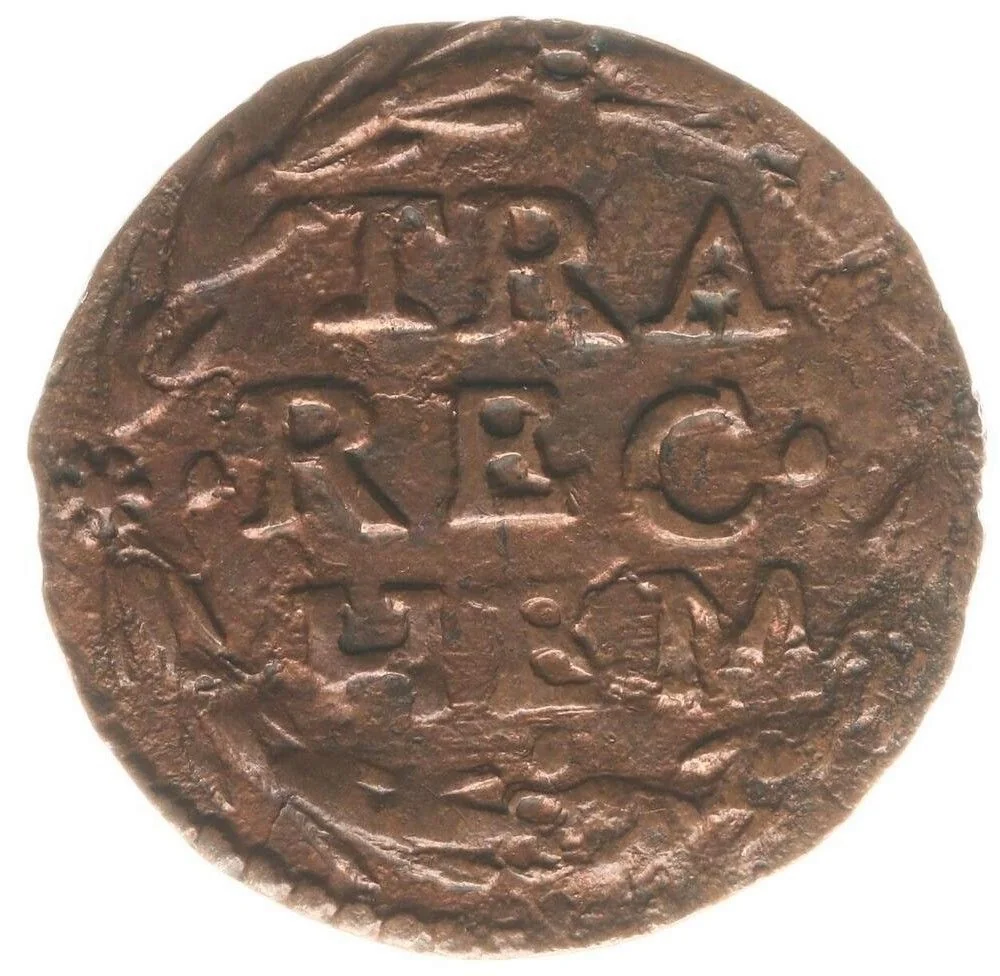
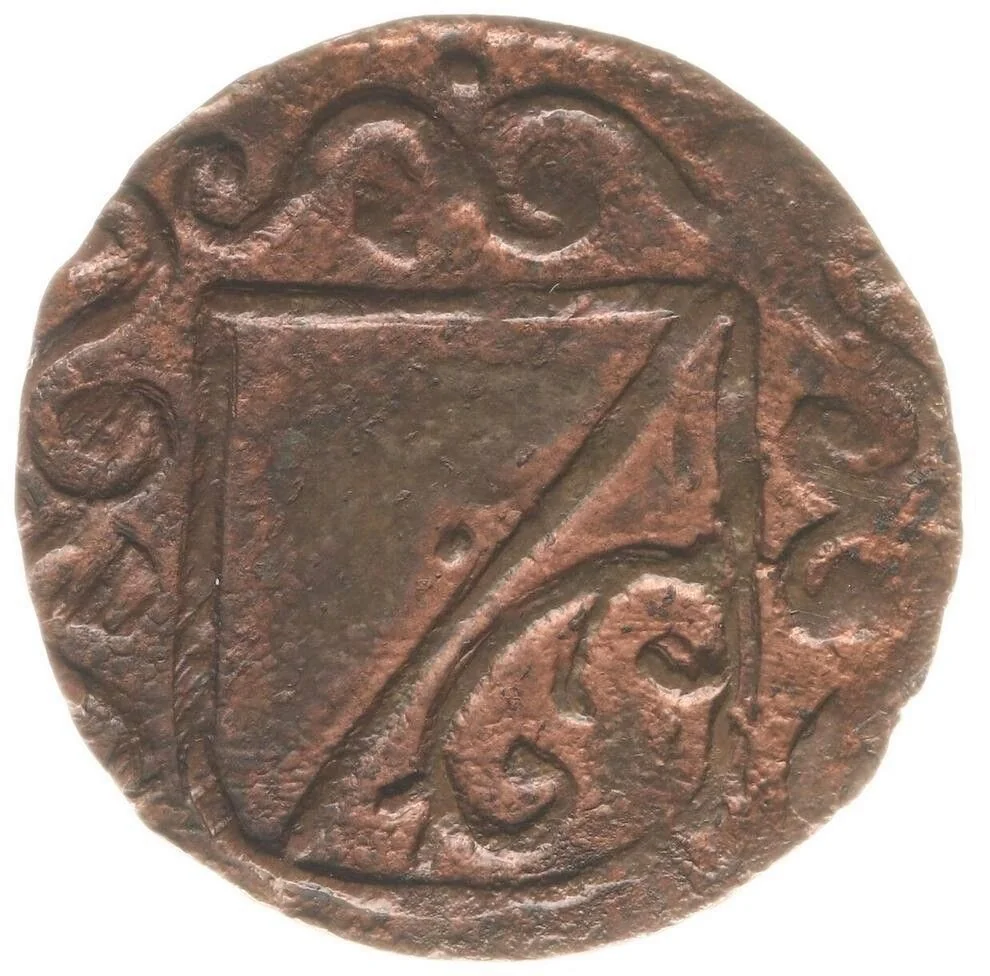
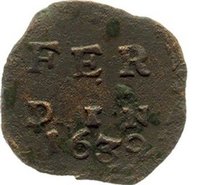
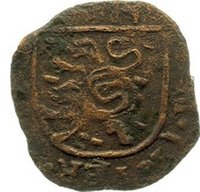
In the year 1625, the Lordship of Reckheim, a minor but strategically located territory within the Holy Roman Empire, finds its currency situation defined by profound complexity and instability. The primary circulating coin is the
Reckheimer Groschen, a small silver coin minted under the authority of the local lord. However, its value and acceptance are weak beyond the territory's immediate borders. The real monetary landscape is a chaotic jumble of foreign currencies, primarily heavy silver
Reichsthalers from the Emperor, Spanish
Reales from the trade routes, and a flood of debased coinage from neighboring states engaged in the Thirty Years' War. This "Kipper und Wipper" period of currency manipulation has led to widespread suspicion, with merchants and peasants alike carefully weighing and assessing the metal content of every coin.
The lord of Reckheim, like many minor princes, views the mint as a crucial regalian right and a source of revenue. Facing the extraordinary expenses of fortification and raising troops for the ongoing war, the mint is often pressured to debase the coinage—reducing the silver content in the
Groschen to create more coins from the same bullion. This short-term fiscal fix erodes trust and fuels inflation within the lordship, as prices for essential goods rise rapidly. The economy is further strained by the passage of mercenary armies, who pay for supplies in often worthless foreign coins, leaving a trail of monetary confusion and devalued currency in their wake.
Consequently, daily transactions in Reckheim's market are slow and contentious, requiring money-changers' scales and published exchange lists. Wealth is increasingly held in tangible assets—grain, livestock, or bulky silver plate—rather than in a reliable coin. The currency situation mirrors the lordship's precarious political state: nominally independent but practically at the mercy of larger imperial and economic forces. The lack of a stable, authoritative currency undermines the lord's authority, hampers commerce, and places an additional burden on a population already suffering the deprivations of a continent at war.