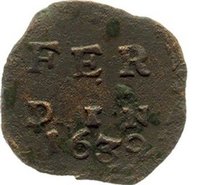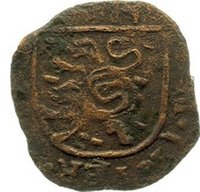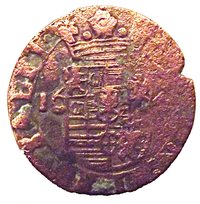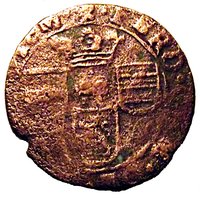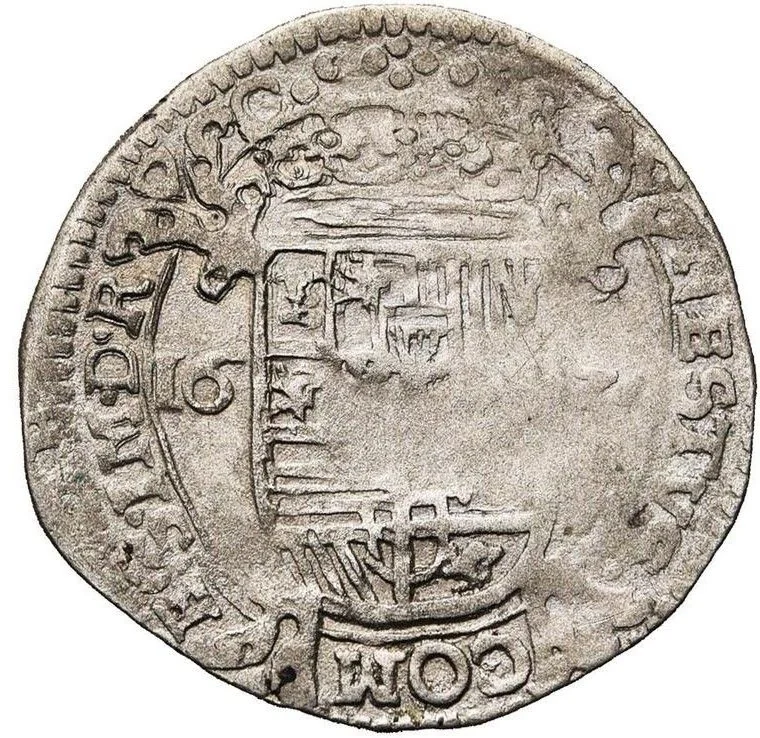
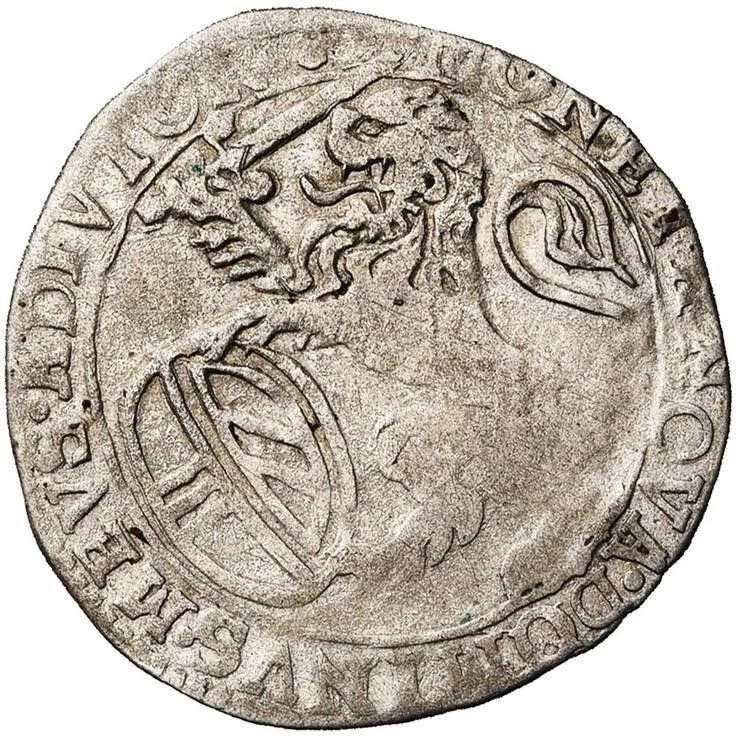
In the tumultuous year of 1636, the Lordship of Reckheim, a minor but strategically located German territory, finds its currency in a state of profound crisis, mirroring the wider devastation of the Thirty Years' War. The primary official currency, the Reckheim
Thaler, has been heavily debased by its lords to finance the constant demands of war—paying mercenaries, fortifying holdings, and paying exorbitant "contributions" to passing armies to avoid being sacked. Its silver content has plummeted, leading to rampant inflation and a collapse in public trust. Simultaneously, the territory is flooded with a chaotic mix of foreign coins: Swedish
riksdalers, Spanish
reales, and various German states' issues, all circulating at volatile and locally negotiated rates, making everyday commerce a gamble.
This monetary anarchy is exacerbated by the sheer physical scarcity of sound coinage. Peasants and merchants alike hoard any full-weight silver they can find, removing it from circulation in a practice known as "Gresham's Law," where bad money drives out the good. Consequently, much local trade has regressed to barter—grain, livestock, and labor are often exchanged directly. The lordship’s mint, when it operates at all, functions less as a source of stable currency and more as a desperate revenue device, churning out lightweight coins that are immediately distrusted by the populace and foreign merchants.
The currency situation is therefore a direct manifestation of Reckheim’s political vulnerability. With no powerful ally to guarantee its coinage and its lands frequently traversed by competing armies, the lordship lacks the sovereignty to enforce monetary stability. The result is an economy of survival, where the value of money is uncertain from one day to the next, crippling long-term planning and deepening the hardship of a war-weary population. Control over currency is lost, reflecting the lordship’s precarious grasp on its own fate amidst the continent-wide conflict.