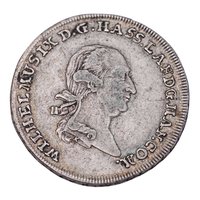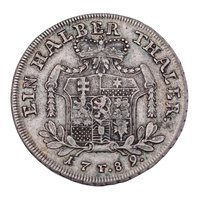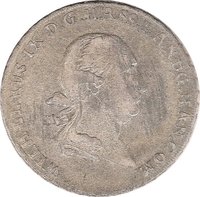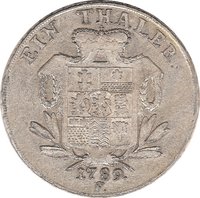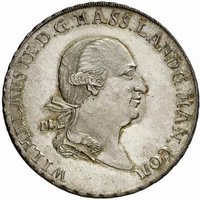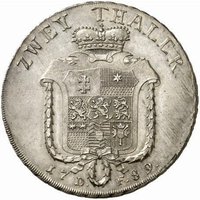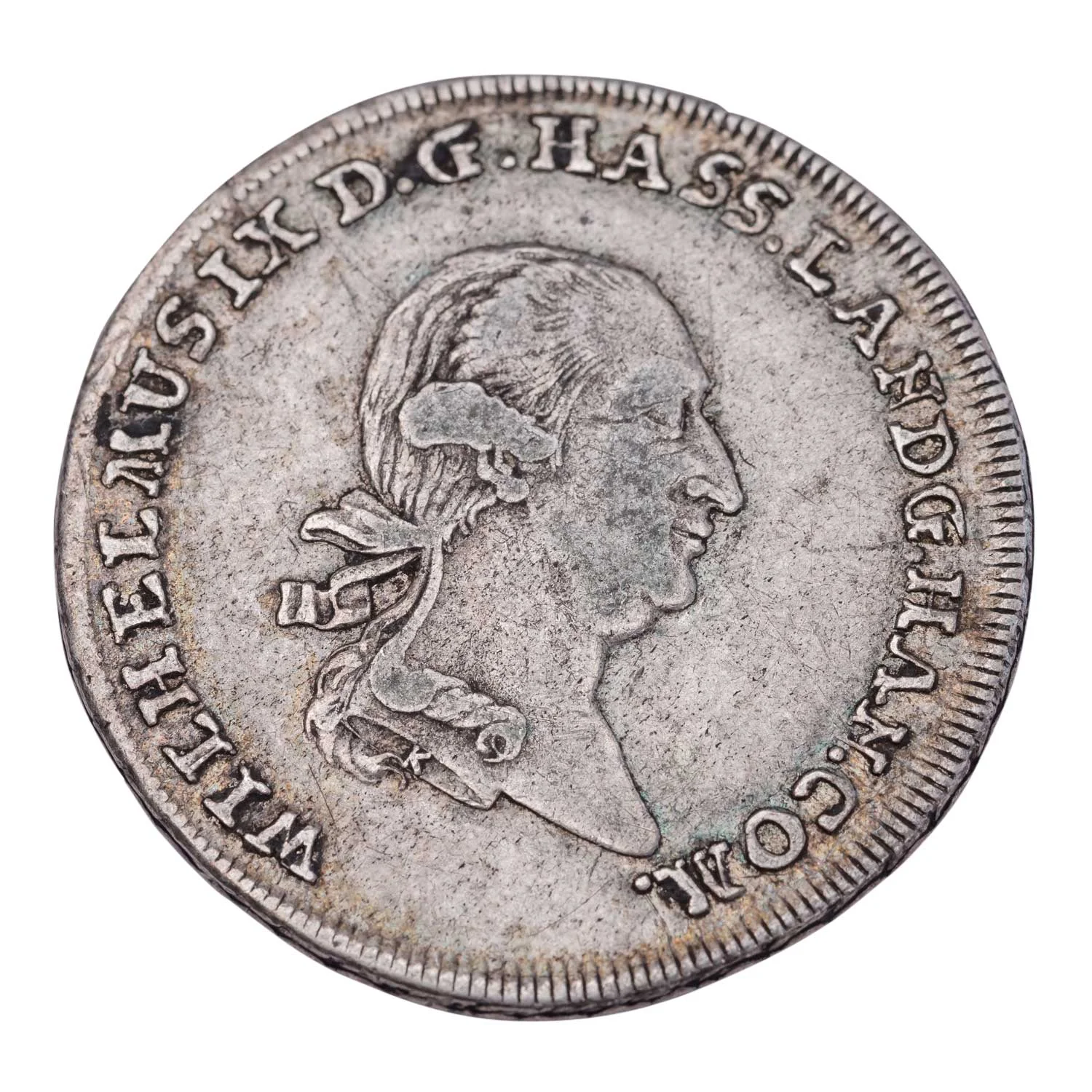
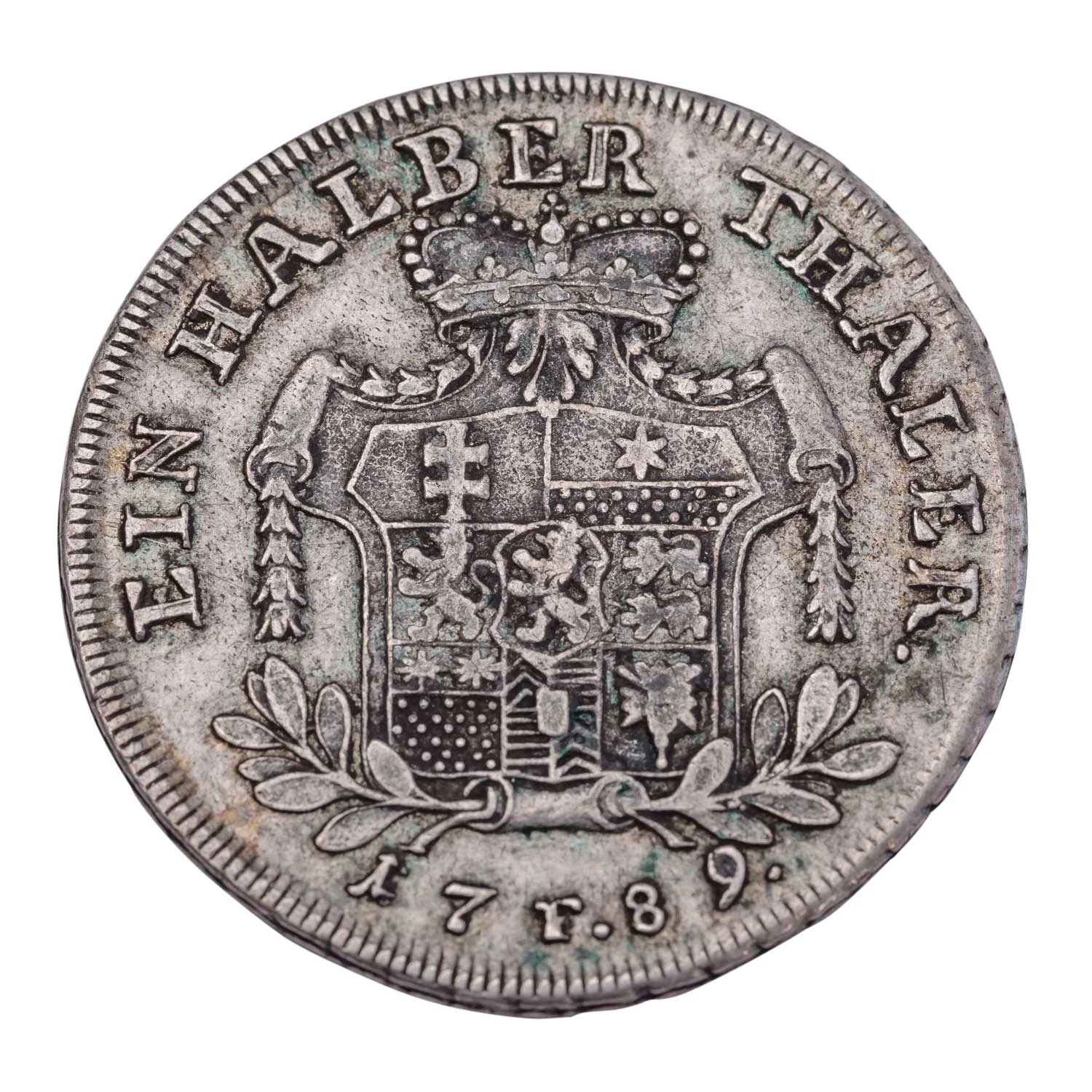
In 1789, the Landgraviate of Hesse-Cassel was a significant German principality with a complex and somewhat archaic currency system, typical of the Holy Roman Empire's fragmented political landscape. The official currency was the
Hessian Thaler, which was subdivided into 32
Albuses or 384
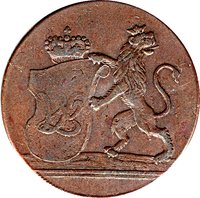
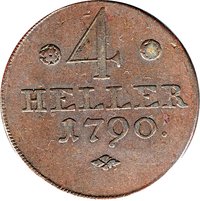
Heller. However, the monetary reality was far from uniform. A plethora of foreign coins, particularly from neighboring states like Hanover, Prussia, and various free cities, circulated freely alongside domestic issues due to active trade and the landgraves' practice of hiring out their formidable army as mercenaries, which brought foreign specie into the economy.
This circulation of diverse coins created chronic problems of valuation and exchange. The effective monetary system operated on a bimetallic standard (gold and silver), but the fixed legal exchange rates between coins often diverged from their intrinsic metal value, leading to arbitrage, hoarding of good coin, and a general distrust in the currency's stability. Furthermore, the landgraviate frequently issued low-quality subsidiary coinage (small change like
Albuses and
Heller) to cover state expenses, which exacerbated inflation and eroded public confidence, especially among the lower classes who used this coinage daily.
The situation was ultimately a reflection of the broader fiscal policy of Landgrave William IX (who became Elector William I in 1803). While famously amassing Europe's largest fortune through mercenary contracts and astute financial management, his currency policy remained conservative and reactive. The state lacked a centralized, modern monetary authority, leaving the system vulnerable to manipulation and inefficiency. This outdated financial structure, while not in immediate crisis in 1789, presented a significant obstacle to economic modernization and would soon be challenged by the upheavals of the French Revolutionary and Napoleonic Wars.