

Iran
Context

Material
Diameter: 22.5 mm
Weight: 7.65 g
Silver weight: 7.65 g
Shape: Irregular round
Composition: Silver
Standard: Silver quarter ounce
Magnetic: No
Alignment: Coin alignment
flip
References
KM: #Click to copy to clipboard114
Numista: #60998
Value
Bullion value: $22.05
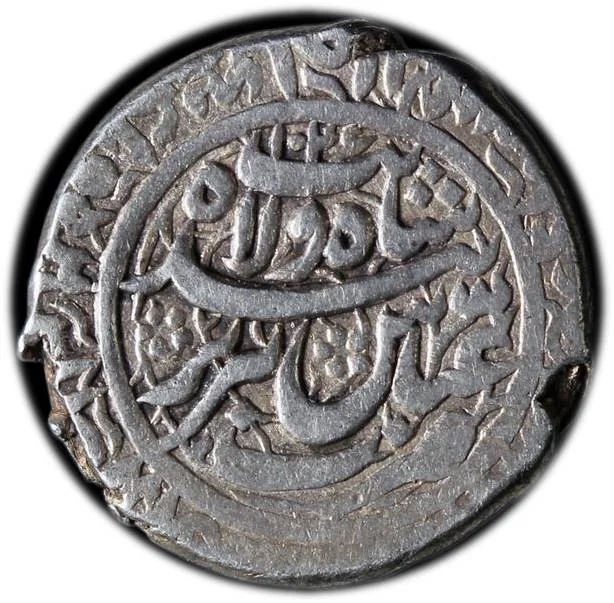
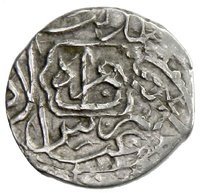
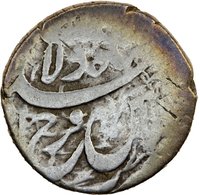
Obverse
Inscription:
بنده شاه ولایت عبّاس
خلدالله ملکه و سلطانه و علی العالمین بره و احسانه
ضرب تبریز
۱۰۲۶
خلدالله ملکه و سلطانه و علی العالمین بره و احسانه
ضرب تبریز
۱۰۲۶
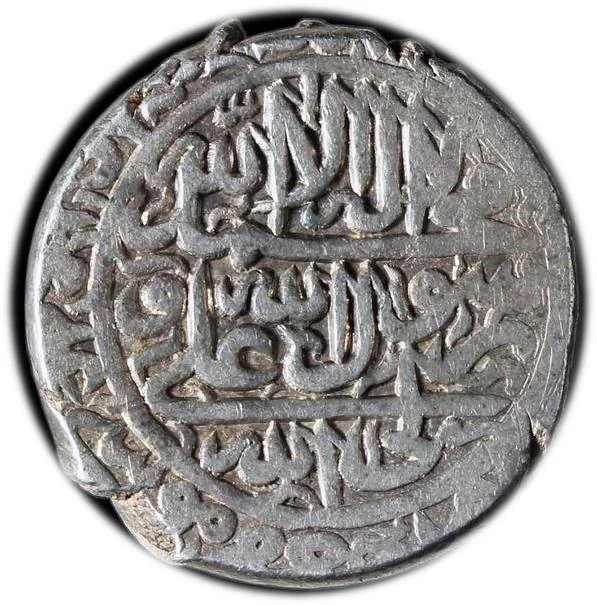
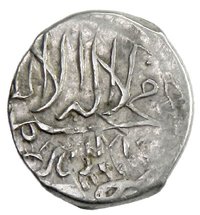
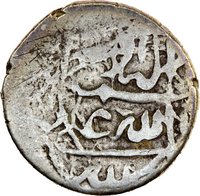
Reverse
Description:
Shi’at Kalimah: belief in the twelve Imams.
Inscription:
لا اله الا الله/محمد رسول الله/علی ولی الله
علی حسن حسین علی محمد جعفر موسی علی محمد علی حسن محمد
علی حسن حسین علی محمد جعفر موسی علی محمد علی حسن محمد
Edge
Plain
Mints
| Name | Mark |
|---|---|
| Tebriz | تبریز |
Mintings
| Year | Mint Mark | Mintage | Quality | Collection |
|---|---|---|---|---|
| — | — | — |
Historical background
In 1588, the Iranian monetary system operated under the Safavid Empire, which had established a unified bimetallic standard across its territories. The primary circulating coins were the silver ʿabbāsī (named for Shah Abbas I, who ascended the throne that year) and the gold tūmān, a unit of account worth 10,000 dinars or approximately 50 ʿabbāsīs. The system was decentralized, with mints in major cities like Isfahan, Tabriz, and Mashad producing coins whose weight and purity could vary, leading to complexities in long-distance trade. Copper fulūs served as small change for local markets, but the economy's backbone was silver, heavily influenced by the influx of New World silver entering the global economy via European and Ottoman trade routes.
The currency situation faced significant challenges. A persistent shortage of precious metals, particularly gold, within Iran's borders created a reliance on foreign bullion, making the economy vulnerable to trade imbalances and currency outflows. Counterfeiting and the clipping of coins were chronic problems that eroded public trust. Furthermore, the state's fiscal demands often led to the debasement of coinage—reducing the silver content—to fund military campaigns and court expenditures, a practice that would become more pronounced in the following decades. This instability meant that exchange rates between coins, and between Iranian and foreign currencies like the Ottoman akçe, were frequently in flux.
Despite these pressures, 1588 marked a pivotal moment of potential reform. The accession of Shah Abbas I (Abbas the Great) ushered in an era of centralization and economic revitalization. He would soon implement major changes, including centralizing mint operations, standardizing coinage more rigorously, and fostering international trade through the East India Companies to attract silver. Therefore, the currency situation in 1588 was one of inherent structural weakness characteristic of the early modern period, yet it stood on the cusp of deliberate state-led intervention aimed at creating a more stable and powerful monetary system to support the ambitions of a reinvigorated empire.
The currency situation faced significant challenges. A persistent shortage of precious metals, particularly gold, within Iran's borders created a reliance on foreign bullion, making the economy vulnerable to trade imbalances and currency outflows. Counterfeiting and the clipping of coins were chronic problems that eroded public trust. Furthermore, the state's fiscal demands often led to the debasement of coinage—reducing the silver content—to fund military campaigns and court expenditures, a practice that would become more pronounced in the following decades. This instability meant that exchange rates between coins, and between Iranian and foreign currencies like the Ottoman akçe, were frequently in flux.
Despite these pressures, 1588 marked a pivotal moment of potential reform. The accession of Shah Abbas I (Abbas the Great) ushered in an era of centralization and economic revitalization. He would soon implement major changes, including centralizing mint operations, standardizing coinage more rigorously, and fostering international trade through the East India Companies to attract silver. Therefore, the currency situation in 1588 was one of inherent structural weakness characteristic of the early modern period, yet it stood on the cusp of deliberate state-led intervention aimed at creating a more stable and powerful monetary system to support the ambitions of a reinvigorated empire.
✨ Legendary