

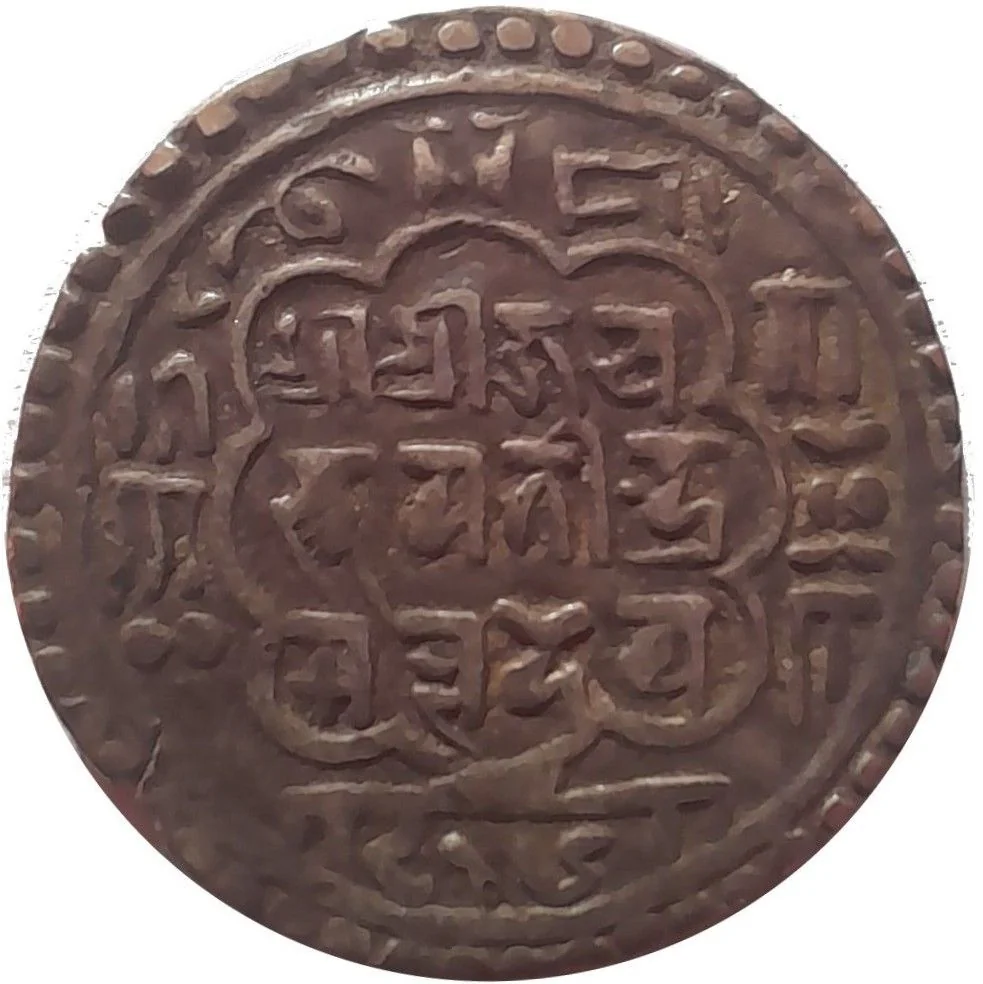
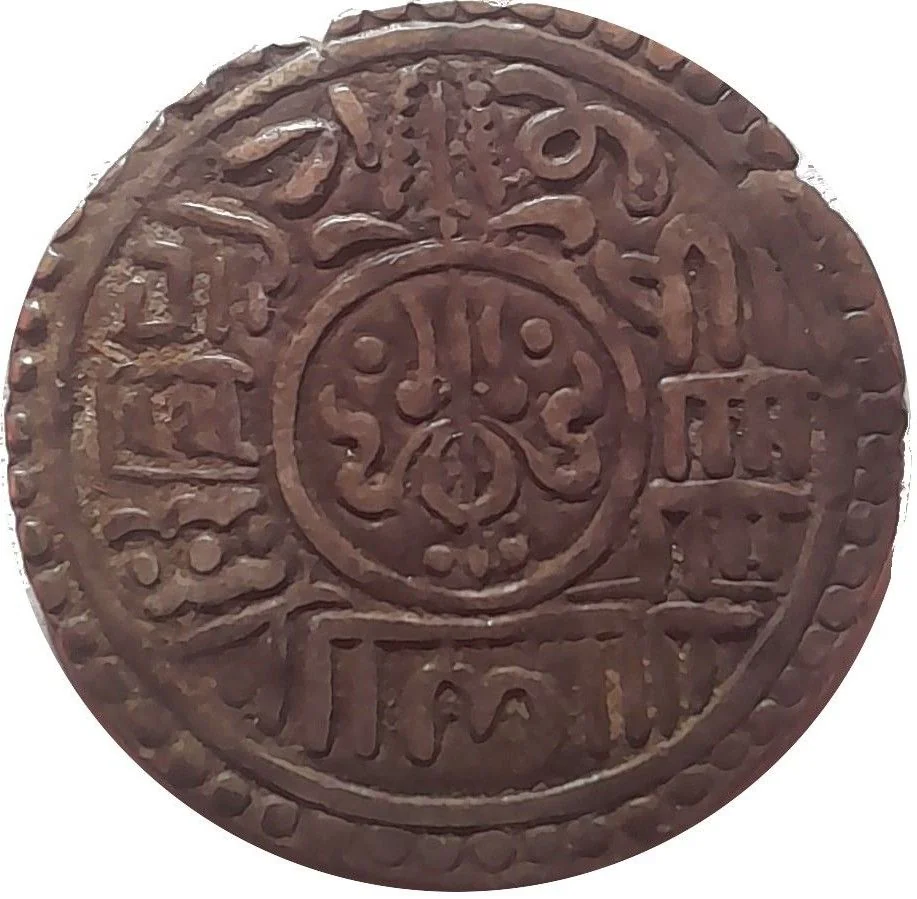
1 mohar – Bhaktapur Kingdom
Add to wishlist
Nepal
Context
Year: 1696
Nepal Sambat Year:: 816
Country: Nepal
Issuer: Bhaktapur Kingdom
Ruler: Bhupatindra Malla
Currency:
(1546—1932)
Demonetized: Yes
Material
References
KM: #
Numista: #438554
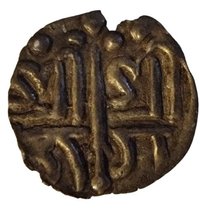
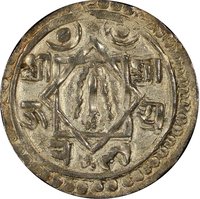
Obverse
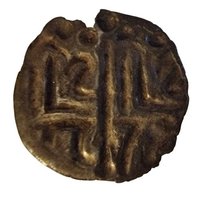
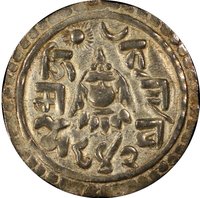
Reverse
Edge
Mintings
| Year | Mint Mark | Mintage | Quality | Collection |
|---|---|---|---|---|
| 1696 | — | — |
Historical background
In 1696, the Bhaktapur Kingdom, one of the three rival Newar city-states of the Kathmandu Valley (alongside Kathmandu and Patan), operated within a sophisticated but fragmented monetary system. The kingdom minted its own distinct coinage, primarily small silver dam or tanka coins, often stamped with the symbol of the ruling Malla dynasty, such as a conch shell or other dynastic emblems. However, its currency did not circulate in isolation. Due to intense trade and political rivalry, the coins of the other two Malla kingdoms, as well as those from Indian Mughal territories to the south and Tibetan silver to the north, were also in common use, creating a complex multi-currency environment where merchants had to be adept at assessing metal purity and exchange rates.
The economy underpinning this currency was primarily agrarian, funded by rice cultivation in the valley, but was significantly elevated by Bhaktapur's crucial position on the trans-Himalayan trade route between Tibet and India. Taxes on this trade, along with land revenue, provided the silver bullion necessary for minting. The authority to mint coinage was a vital sovereign right and a key source of prestige and economic control for King Jitamitra Malla, who ruled Bhaktapur at this time. His coins were not just economic instruments but also tools of political propaganda, bearing legends in Sanskrit that proclaimed his piety and legitimacy.
Despite this sophistication, the currency situation reflected the kingdom's constrained political reality. The constant warfare and rivalry with the other Malla states led to economic instability, including competitive debasement of coinage and fluctuating values. Furthermore, the greater influence of the rising Gorkha Kingdom to the west, though not yet dominant, began to cast a shadow over the valley's autonomy. Therefore, while Bhaktapur's currency system in 1696 demonstrated advanced urban and mercantile sophistication, it was inherently fragile, emblematic of a kingdom caught between its prosperous past and an uncertain political future.
The economy underpinning this currency was primarily agrarian, funded by rice cultivation in the valley, but was significantly elevated by Bhaktapur's crucial position on the trans-Himalayan trade route between Tibet and India. Taxes on this trade, along with land revenue, provided the silver bullion necessary for minting. The authority to mint coinage was a vital sovereign right and a key source of prestige and economic control for King Jitamitra Malla, who ruled Bhaktapur at this time. His coins were not just economic instruments but also tools of political propaganda, bearing legends in Sanskrit that proclaimed his piety and legitimacy.
Despite this sophistication, the currency situation reflected the kingdom's constrained political reality. The constant warfare and rivalry with the other Malla states led to economic instability, including competitive debasement of coinage and fluctuating values. Furthermore, the greater influence of the rising Gorkha Kingdom to the west, though not yet dominant, began to cast a shadow over the valley's autonomy. Therefore, while Bhaktapur's currency system in 1696 demonstrated advanced urban and mercantile sophistication, it was inherently fragile, emblematic of a kingdom caught between its prosperous past and an uncertain political future.
✨ Legendary