

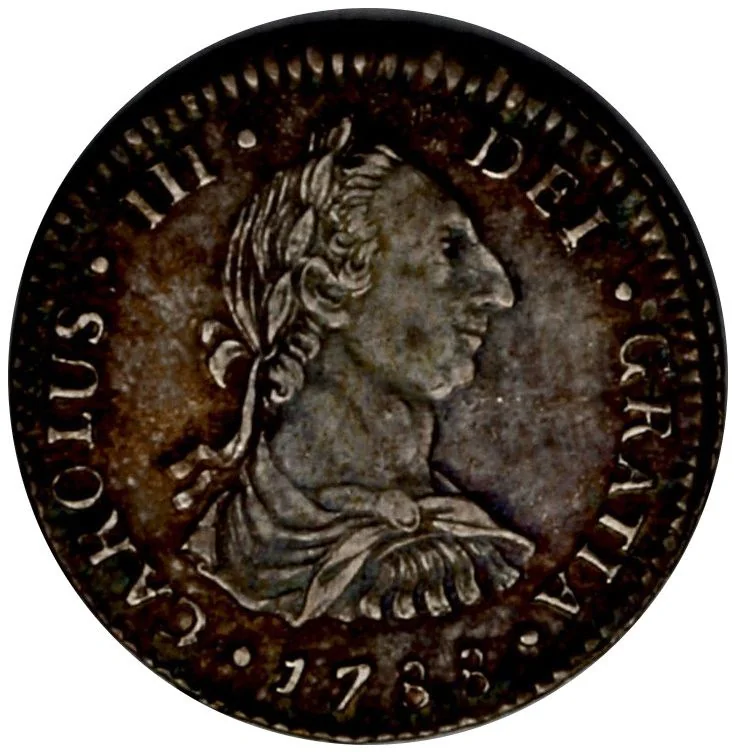
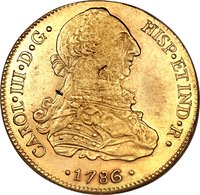
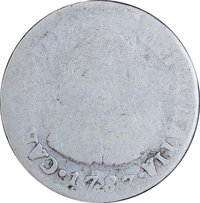
Obverse
Inscription:
CAROLUS·III·DEI·GRATIA
Script: Latin
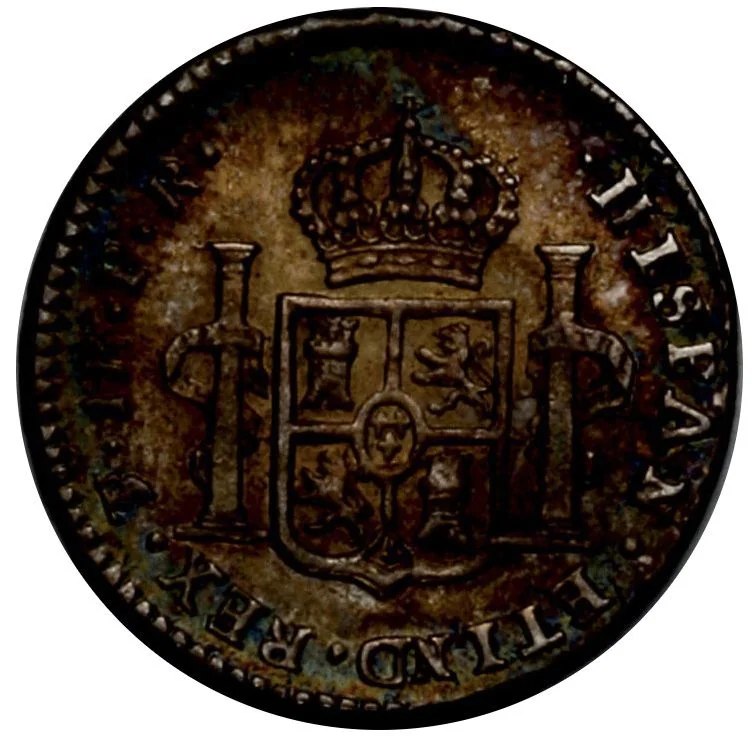
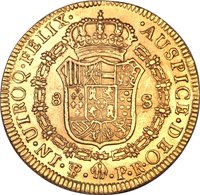
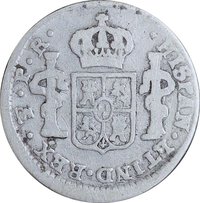
Reverse
Inscription:
HISPAN·ET IND·REX
Script: Latin
Edge
Chained
Mintings
| Year | Mint Mark | Mintage | Quality | Collection |
|---|---|---|---|---|
| 1786 | PTS | — | ||
| 1787 | PTS | — | ||
| 1788 | PTS | — | ||
| 1789 | PTS | — |
Historical background
In 1786, the currency situation in the Bolivian region—then known as the Audiencia of Charcas within the Spanish Viceroyalty of the Río de la Plata—was fundamentally defined by the immense silver output of the Cerro Rico of Potosí. This single mountain was the economic engine of the Spanish Empire, producing the vast majority of the world's silver. The primary currency was therefore silver in both coin and bullion form, minted into pesos and reales at the Royal Mint of Potosí (Casa de la Moneda). However, the system was plagued by chronic shortages of small-denomination coinage for everyday transactions, leading to a reliance on cut or clipped coins, crude tokens, and barter among the general population.
The Spanish Crown, under the Bourbon Reforms, was actively attempting to centralize and modernize the monetary system to increase revenue and combat fraud. The 1786 period falls shortly after a significant monetary reform: the introduction of new pillar-style coinage (milled coins with a design of two hemispheres between two pillars) to replace the older, cruder hammer-struck "cobs." This reform aimed to standardize weight and purity and curb widespread clipping and counterfeiting. Despite these efforts, the implementation was slow, and old, worn coins remained in heavy circulation, creating a chaotic multi-tiered currency environment.
Furthermore, the local economy suffered from a persistent drain of silver. The Crown's mercantilist policies mandated that the bulk of minted silver was shipped to Spain or to regional capitals like Buenos Aires to finance imperial administration and global trade, leaving the local economy starved of circulating medium. This export-driven model, combined with the high value of silver coinage, meant that the very wealth generated by Potosí paradoxically contributed to monetary scarcity within the Alto Perú itself, stifling local commerce and perpetuating economic inequality.
The Spanish Crown, under the Bourbon Reforms, was actively attempting to centralize and modernize the monetary system to increase revenue and combat fraud. The 1786 period falls shortly after a significant monetary reform: the introduction of new pillar-style coinage (milled coins with a design of two hemispheres between two pillars) to replace the older, cruder hammer-struck "cobs." This reform aimed to standardize weight and purity and curb widespread clipping and counterfeiting. Despite these efforts, the implementation was slow, and old, worn coins remained in heavy circulation, creating a chaotic multi-tiered currency environment.
Furthermore, the local economy suffered from a persistent drain of silver. The Crown's mercantilist policies mandated that the bulk of minted silver was shipped to Spain or to regional capitals like Buenos Aires to finance imperial administration and global trade, leaving the local economy starved of circulating medium. This export-driven model, combined with the high value of silver coinage, meant that the very wealth generated by Potosí paradoxically contributed to monetary scarcity within the Alto Perú itself, stifling local commerce and perpetuating economic inequality.
💎 Extremely Rare