

½ real – Bolivia
Add to wishlist
Bolivia
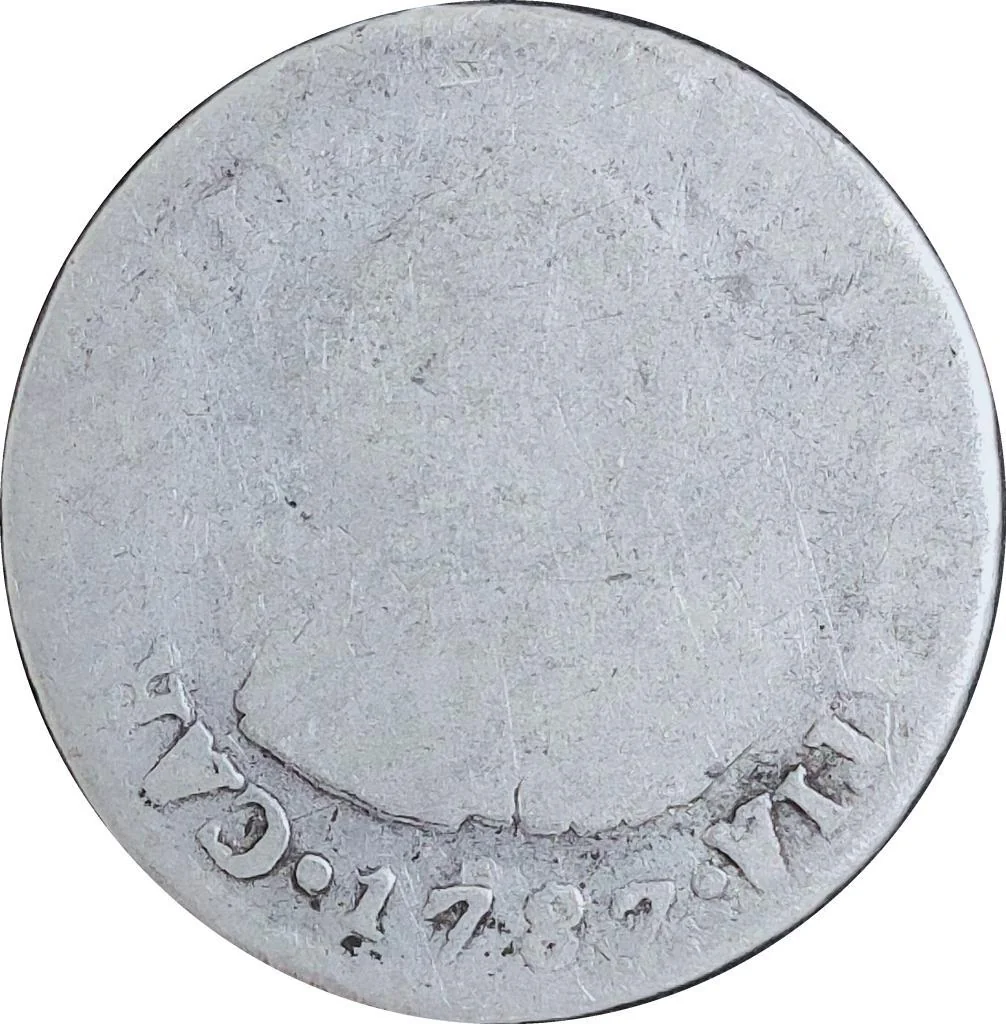
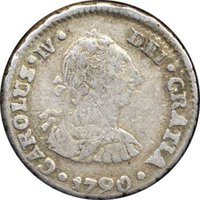
Obverse
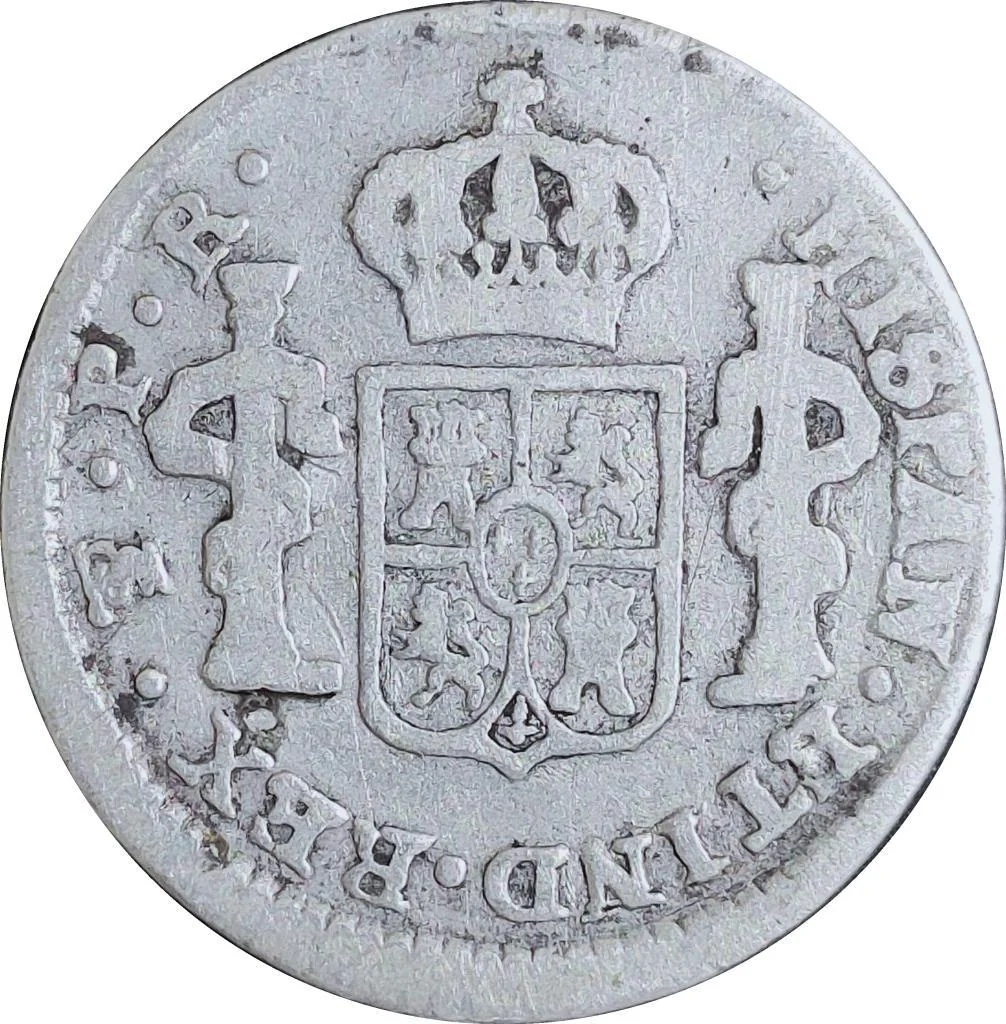
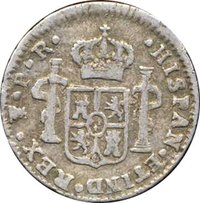
Reverse
Description:
Crowned arms flanked by pillars.
Inscription:
·HISPAN·ET IND·REX·PTS·P·R·
Script: Latin
Edge
Mintings
| Year | Mint Mark | Mintage | Quality | Collection |
|---|---|---|---|---|
| 1787 | PR | — | ||
| 1788 | PR | — | ||
| 1789 | PR | — |
Historical background
In 1787, the Viceroyalty of Río de la Plata, which included the territory of modern Bolivia (then known as Upper Peru or Charcas), was grappling with a complex and often chaotic currency situation. The primary source of wealth was the immense silver output from the Cerro Rico of Potosí, which fueled the Spanish Empire's economy. The royal mint in Potosí (the Casa de la Moneda) produced vast quantities of silver coins, primarily pesos and reales, which were the backbone of both local and international trade. However, the system was plagued by inconsistent coin quality, widespread clipping and counterfeiting, and a severe shortage of small-denomination currency for everyday transactions among the general populace.
This shortage of fractional coinage, or moneda menuda, created significant economic friction. To fill this vacuum, a widespread and semi-official system of token currencies emerged. These included fíat coins made of copper or other base metals, issued by local merchants, municipalities, and even churches, as well as primitive bills of credit known as libranzas. While these tokens facilitated local markets, they led to confusion, variable exchange rates, and frequent fraud, undermining the authority and uniformity of the royal currency. The Spanish Crown viewed this proliferation of unofficial money with deep suspicion, as it challenged royal prerogative and complicated tax collection.
The underlying tension in 1787 was between a colonial administration striving to impose a centralized, standardized monetary system for imperial control and efficient bullion extraction, and the practical realities of a vast, economically diverse region that required a flexible medium of exchange to function. Reforms were attempted, but the intrinsic problem—the diversion of high-value silver to Spain and larger regional capitals, leaving the local economy starved for circulating medium—persisted. Thus, the currency situation remained a patchwork of official silver from Potosí and a fragile, decentralized web of credit and tokens, reflecting the broader administrative and economic challenges of the Spanish Empire in the late 18th century.
This shortage of fractional coinage, or moneda menuda, created significant economic friction. To fill this vacuum, a widespread and semi-official system of token currencies emerged. These included fíat coins made of copper or other base metals, issued by local merchants, municipalities, and even churches, as well as primitive bills of credit known as libranzas. While these tokens facilitated local markets, they led to confusion, variable exchange rates, and frequent fraud, undermining the authority and uniformity of the royal currency. The Spanish Crown viewed this proliferation of unofficial money with deep suspicion, as it challenged royal prerogative and complicated tax collection.
The underlying tension in 1787 was between a colonial administration striving to impose a centralized, standardized monetary system for imperial control and efficient bullion extraction, and the practical realities of a vast, economically diverse region that required a flexible medium of exchange to function. Reforms were attempted, but the intrinsic problem—the diversion of high-value silver to Spain and larger regional capitals, leaving the local economy starved for circulating medium—persisted. Thus, the currency situation remained a patchwork of official silver from Potosí and a fragile, decentralized web of credit and tokens, reflecting the broader administrative and economic challenges of the Spanish Empire in the late 18th century.
💎 Extremely Rare