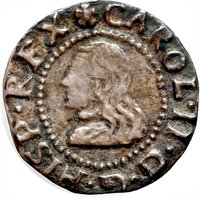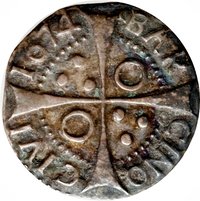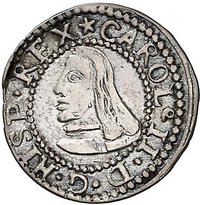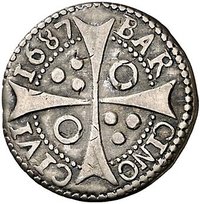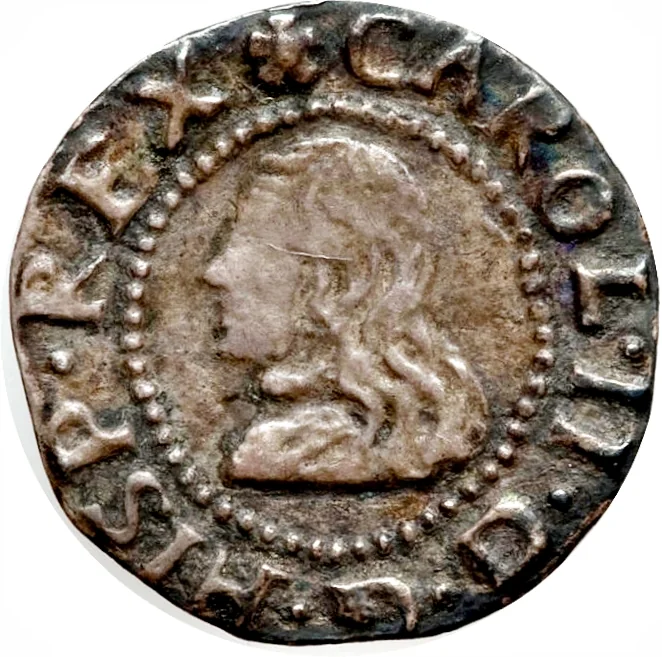
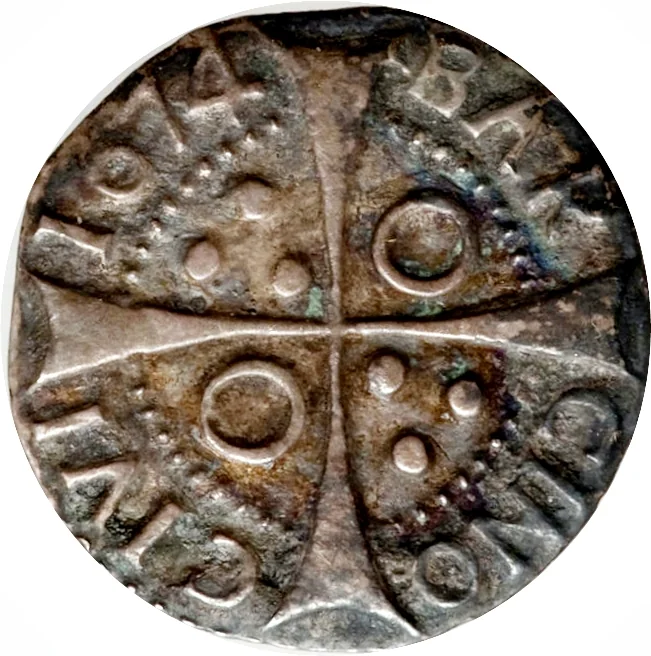
In 1674, the Principality of Catalonia, then under the sovereignty of the Spanish Habsburg monarchy, was grappling with a severe and complex currency crisis. This was a direct consequence of the broader economic turmoil plaguing the Spanish Empire, characterized by the repeated debasement of the ubiquitous silver
real and the proliferation of vastly overvalued
vellón (copper) coinage. The Crown, perennially bankrupt from decades of warfare, notably the ongoing Franco-Dutch War, frequently manipulated the coinage to finance its debts, leading to rampant inflation, price instability, and a deep loss of public trust in the monetary system.
Within Catalonia, this national crisis was exacerbated by local factors. The principality’s vibrant trade with the Mediterranean and its economic hubs like Barcelona required reliable currency for commerce, yet the market was flooded with unstable Castilian coinage and even counterfeit money. Furthermore, the political memory of the
Reapers' War (1640-1659) and the recent French occupation during that conflict had left a legacy of economic disruption and a degree of monetary autonomy that now clashed with Madrid's centralized fiscal policies. Local authorities struggled to set equitable exchange rates between the various silver, gold, and copper coins in circulation, leading to commercial disputes and hampering economic recovery.
The currency instability of 1674 was more than an economic nuisance; it eroded social cohesion and strained the already tense political relationship between Catalonia and the Crown. Debtors and creditors were pitted against each other, trade was discouraged, and the general population suffered from the rising cost of essentials. This monetary chaos formed a critical backdrop to the ongoing friction over Catalan constitutions and fiscal demands, contributing to the simmering discontent that would persist and later flare up during the War of the Spanish Succession decades later.