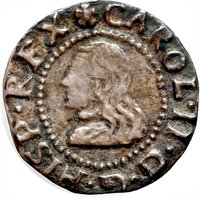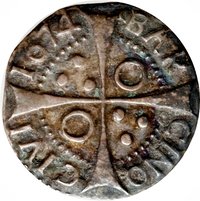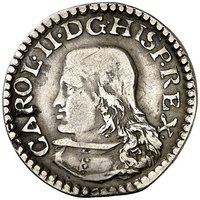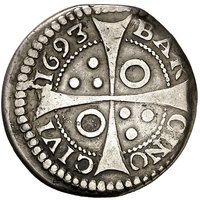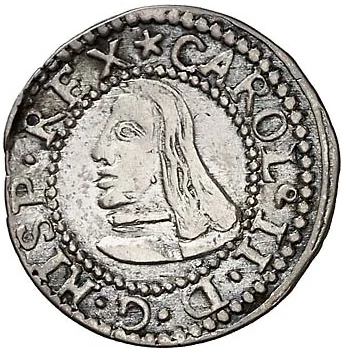
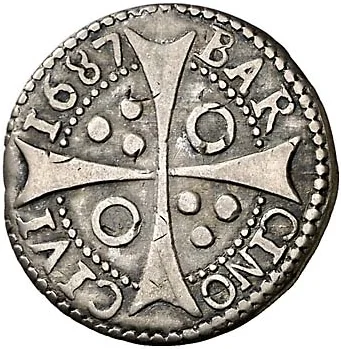
In 1687, the Principality of Catalonia, a territory of the Crown of Aragon under the Habsburg monarchy of Charles II, operated with a complex and strained monetary system. The official currency was the Catalan
lliura (pound), divided into 20
sous (shillings) and 240
diners (pence). However, the circulation was dominated by a plethora of foreign coins, particularly Spanish
reals and French
louis d'or, reflecting Catalonia’s position as a crossroads of trade and military conflict. The Crown's chronic fiscal demands to fund wars, coupled with economic disruption from the recent Reapers' War (1640-1652) and ongoing conflicts with France, led to repeated debasements of coinage. This eroded public trust and created significant price inflation and market confusion.
The monetary policy was dictated from Madrid, often prioritizing the needs of the Castilian treasury over Catalan economic stability. The Crown frequently ordered the devaluation of the
lliura or the alteration of exchange rates between local and foreign coinage to extract seigniorage revenue. This practice destabilized commerce and credit, harming the merchant classes in Barcelona and the agrarian economy alike. Furthermore, the widespread circulation of clipped, counterfeit, and worn foreign coins exacerbated the problem, making transactions difficult and fostering a climate of financial uncertainty.
By 1687, these pressures had created a dual crisis: a severe shortage of reliable, high-value specie for large commercial transactions, and a fragmented, unreliable petty coinage for everyday use. This environment stifled economic recovery and was a source of persistent grievance among Catalan estates. The currency situation thus became yet another point of tension between Catalan institutions, which sought monetary stability for local prosperity, and the centralizing absolutist ambitions of the Crown in Madrid, setting the stage for future political confrontations.