

1 Rupee – Madras Presidency
India
Context

Material
References
KM: #Click to copy to clipboard384
Numista: #42731
Value
Bullion value: $32.71
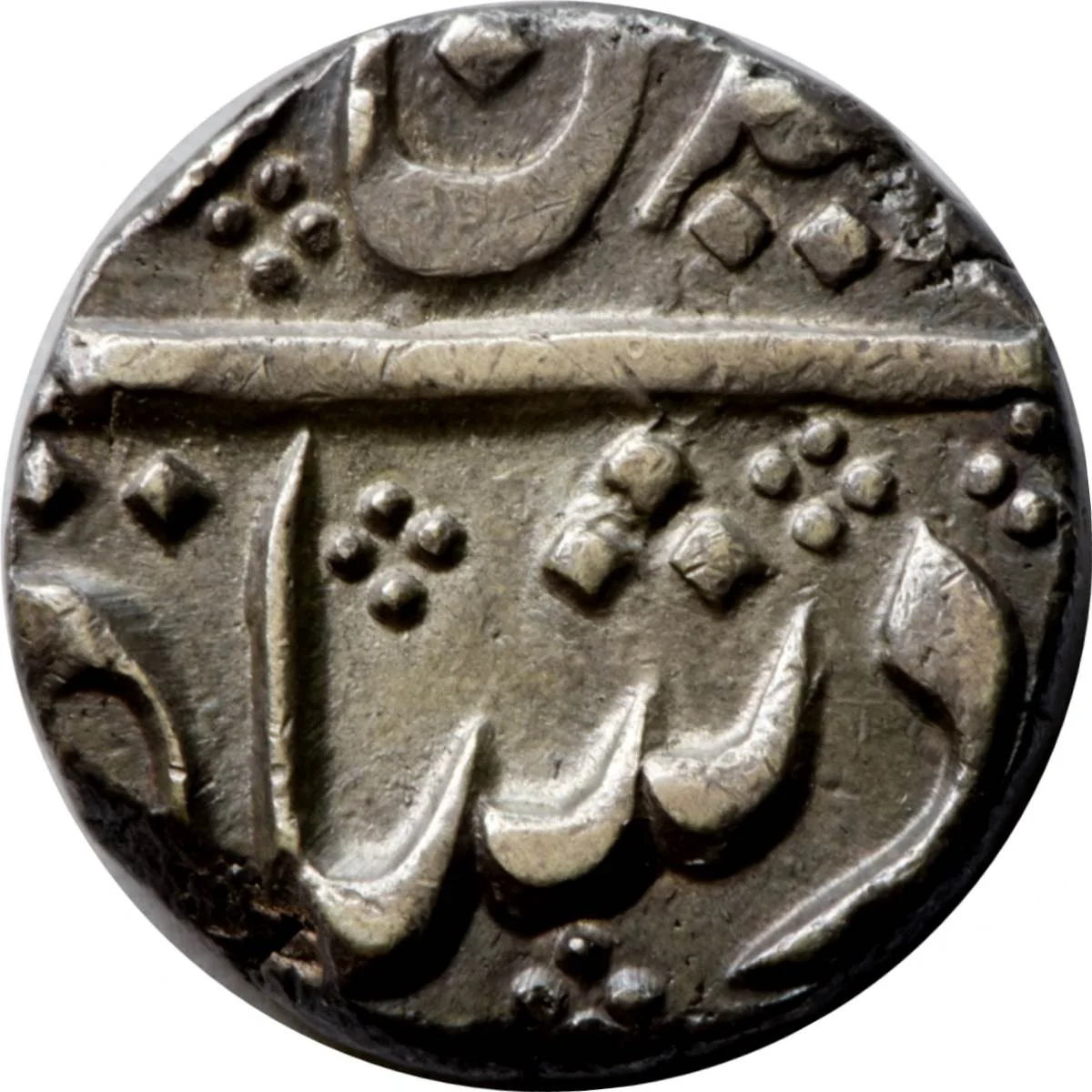
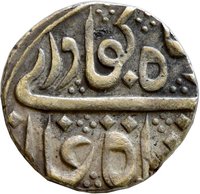
Obverse
Description:
Coins of Emperor Aziz-ud-din Muhammad Alamgir.
Inscription:
محمد عالم كير
عزيز الدين
باد شاه غازي
سكه مبارك
عزيز الدين
باد شاه غازي
سكه مبارك
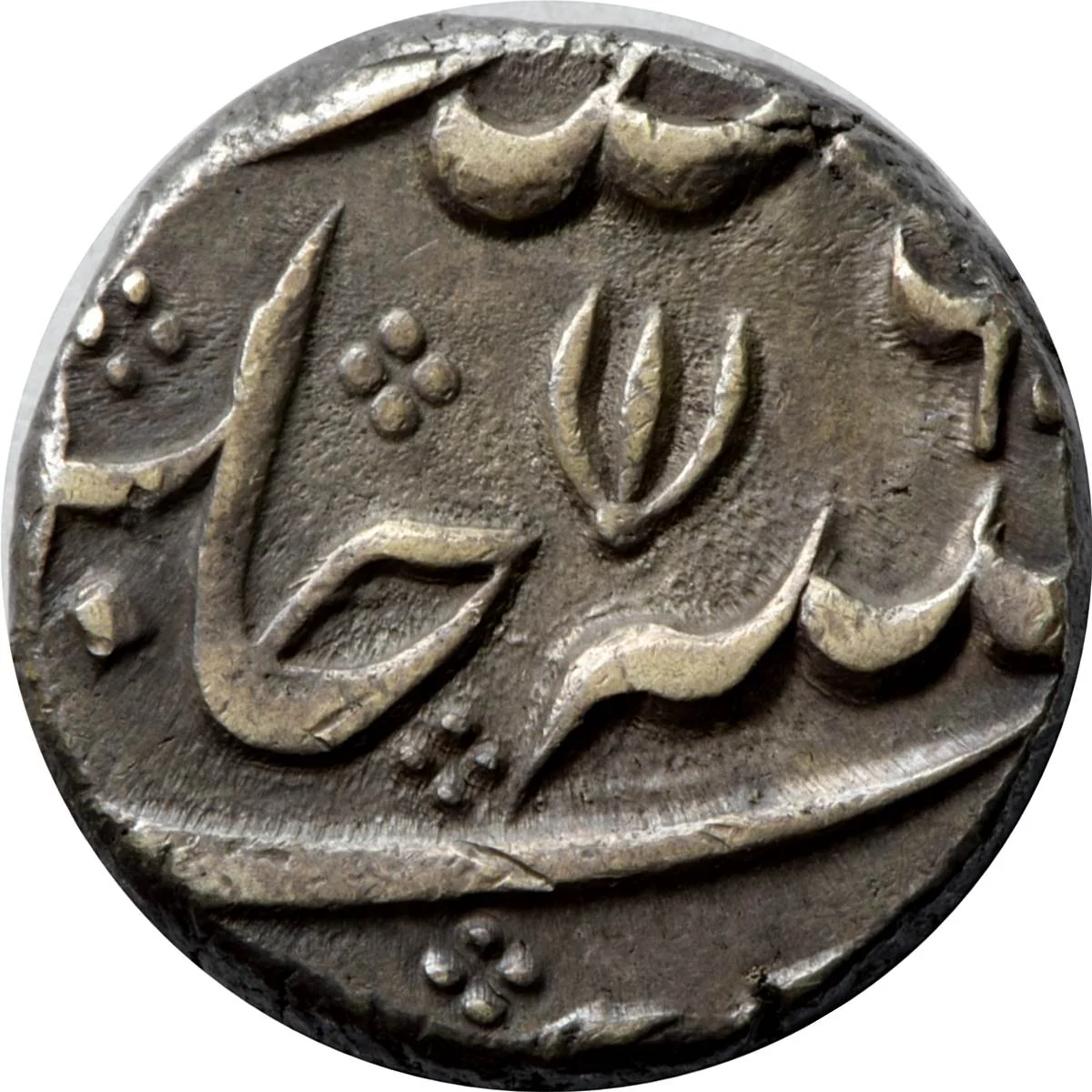
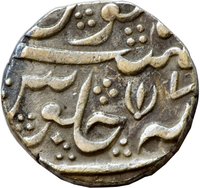
Reverse
Description:
Zarb Arkat, Year 6 of prosperous reign.
Inscription:
ممنت مانوس
سنه ٦ جلوس
ضرب اركات
سنه ٦ جلوس
ضرب اركات
Edge
Plain
Mintings
| Year | Mint Mark | Mintage | Quality | Collection |
|---|---|---|---|---|
| 1754 | — | — | ||
| 1755 | — | — | ||
| 1756 | — | — | ||
| 1757 | — | — | ||
| 1758 | — | — | ||
| 1759 | — | — |
Historical background
In 1754, the currency situation in the Madras Presidency was complex and fragmented, reflecting the broader political and economic turbulence of mid-18th century South India. The region was a patchwork of competing monetary systems: the British East India Company operated from its fortified settlement of Fort St. George, various Indian rulers like the Nawab of Arcot and the Nizam of Hyderabad issued their own coins, and European trading rivals, particularly the French in Pondicherry, also circulated currency. The primary units in Company accounts were the British pound, shilling, and pence, but daily trade relied on a confusing array of gold pagodas, silver rupees (of various origins and purity), and smaller copper coins.
The most important local coin was the gold pagoda, a descendant of the Vijayanagara varaha, which served as the standard for large transactions and land revenue assessment. However, the value of silver rupees—primarily the Mughal-style Arcot rupee and those minted in the name of the Mughal Emperor—was rising due to increased trade and bullion inflows, leading to an unstable exchange rate between the gold and silver standards. This bimetallic flux caused constant commercial disputes and accounting headaches for the Company. Furthermore, the widespread circulation of worn, clipped, and counterfeit coins, alongside a plethora of local fanams and cash coins, made every transaction an exercise in assessment and negotiation.
This monetary chaos was exacerbated by the ongoing political instability, most notably the Carnatic Wars, where the British and French fought through proxy Indian rulers. The war financing led to the debasement of coinage by various polities to fund their armies, further eroding trust in the currency. For the East India Company, establishing greater control over the monetary system was becoming not just a commercial necessity but a strategic imperative, a precursor to the political dominance it would later assert. The situation in 1754 was thus one of competitive disorder, laying the groundwork for future Company attempts to standardize and control the rupee system later in the century.
The most important local coin was the gold pagoda, a descendant of the Vijayanagara varaha, which served as the standard for large transactions and land revenue assessment. However, the value of silver rupees—primarily the Mughal-style Arcot rupee and those minted in the name of the Mughal Emperor—was rising due to increased trade and bullion inflows, leading to an unstable exchange rate between the gold and silver standards. This bimetallic flux caused constant commercial disputes and accounting headaches for the Company. Furthermore, the widespread circulation of worn, clipped, and counterfeit coins, alongside a plethora of local fanams and cash coins, made every transaction an exercise in assessment and negotiation.
This monetary chaos was exacerbated by the ongoing political instability, most notably the Carnatic Wars, where the British and French fought through proxy Indian rulers. The war financing led to the debasement of coinage by various polities to fund their armies, further eroding trust in the currency. For the East India Company, establishing greater control over the monetary system was becoming not just a commercial necessity but a strategic imperative, a precursor to the political dominance it would later assert. The situation in 1754 was thus one of competitive disorder, laying the groundwork for future Company attempts to standardize and control the rupee system later in the century.
⭐ Rare