

1 Schilling (Solidus / Silins) – Swedish Livonia
Context
Years: 1645–1654
Country: Livonia
Issuer: Swedish Livonia
Ruler: Christina
Currency:
(1629—1710)
Subdivision: 1 Schilling (Solidus / Silins) = 1⁄48 Thaler
Demonetized: Yes
Material
References
KM: #Click to copy to clipboard2
Numista: #42423
Obverse
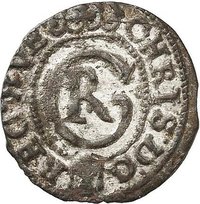
Description:
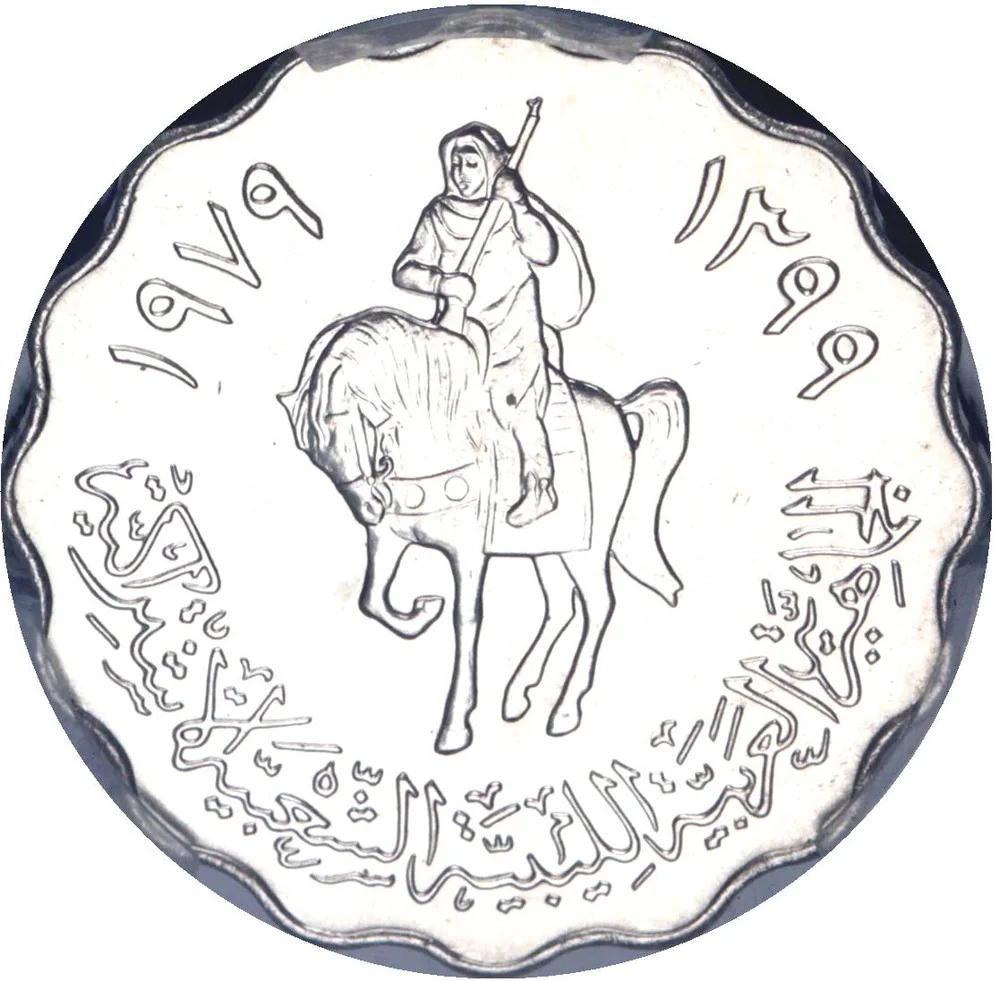
Crowned monogram of Vasa, encircled by legend.
Inscription:
CHRISTINA · D · G · R · S ·
C
C
Script: Latin
Reverse
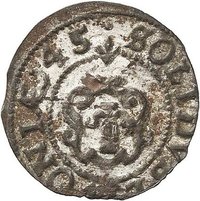
Description:
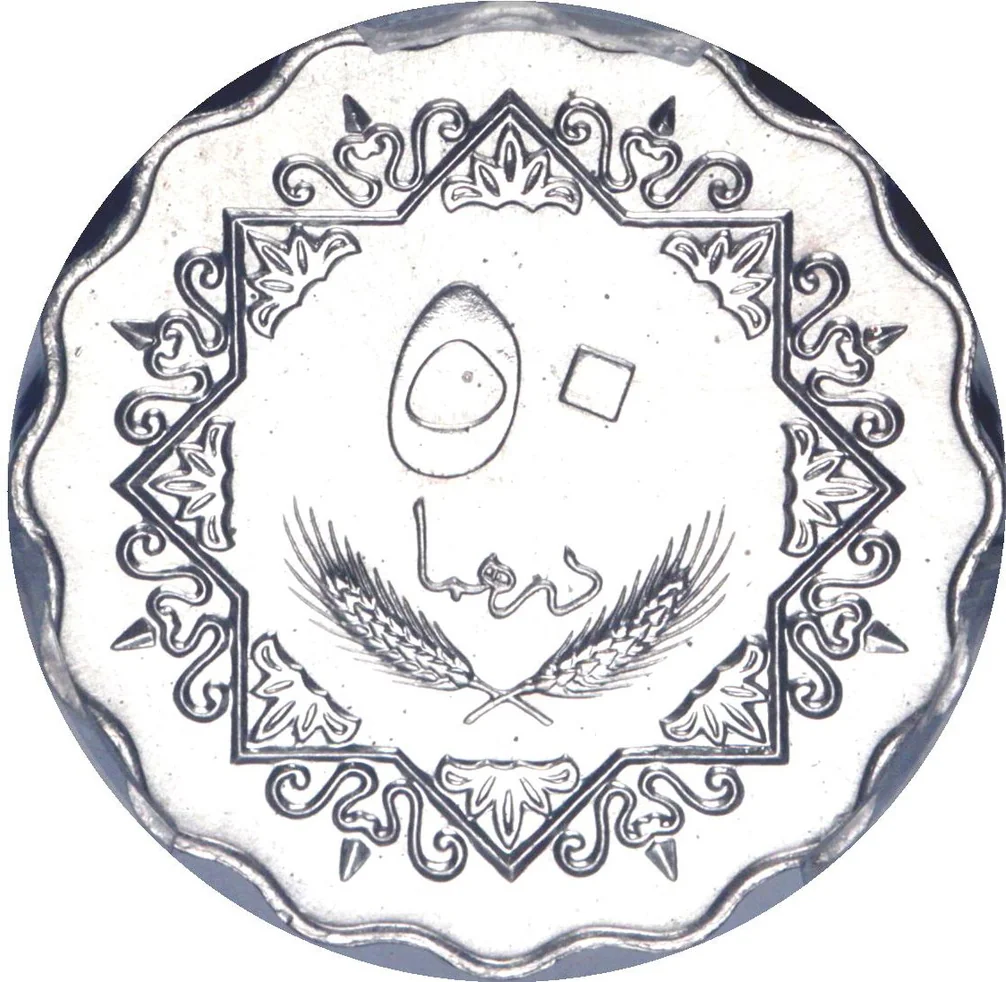
Griffin wielding dual swords with its talons, encircled by legend.
Inscription:
SOLIDVS · LIVONIÆ · 5 · 2 ·
Script: Latin
Edge
Plain
Categories
| Mythology> Fantastic animal |
| Symbols> Monogram |
Mintings
| Year | Mint Mark | Mintage | Quality | Collection |
|---|---|---|---|---|
| 1645 | — | — | ||
| 1647 | — | — | ||
| 1648 | — | — | ||
| 1649 | — | — | ||
| 1650 | — | — | ||
| 1651 | — | — | ||
| 1652 | — | — | ||
| 1653 | — | — | ||
| 1654 | — | — |
Historical background
In 1645, Swedish Livonia was navigating a complex and challenging monetary landscape, deeply shaped by the ongoing Thirty Years' War. The region, encompassing present-day Estonia and Latvia, was a recent and valuable acquisition for the Swedish Empire, which sought to integrate it economically. However, the local economy suffered from a severe shortage of regulated coinage. This scarcity was exacerbated by the widespread circulation of a chaotic mix of older Polish, Lithuanian, and German coins, alongside various debased and clipped coins, leading to unreliable valuations and hindering trade.
Official Swedish policy aimed to impose order by introducing a unified monetary system based on the Swedish riksdaler. Yet, in practice, the government's urgent need for war funds often worked against this goal. To finance its military campaigns, Stockholm frequently authorized the minting of low-quality subsidiary coinage, such as copper öre and billon (base metal) shillings, at the mints in Riga and Tallinn. These coins, often overvalued by decree, fueled inflation and further undermined public trust in the currency.
Consequently, the daily reality for merchants and peasants in 1645 was one of monetary confusion and instability. Transactions required careful negotiation over the actual metallic value of each coin, as the official face value rarely matched its worth. This environment of weak state control, wartime fiscal pressures, and competing currencies created a fragile economic situation, where the theoretical authority of the Swedish crown struggled to establish a stable and uniform medium of exchange in its Baltic province.
Official Swedish policy aimed to impose order by introducing a unified monetary system based on the Swedish riksdaler. Yet, in practice, the government's urgent need for war funds often worked against this goal. To finance its military campaigns, Stockholm frequently authorized the minting of low-quality subsidiary coinage, such as copper öre and billon (base metal) shillings, at the mints in Riga and Tallinn. These coins, often overvalued by decree, fueled inflation and further undermined public trust in the currency.
Consequently, the daily reality for merchants and peasants in 1645 was one of monetary confusion and instability. Transactions required careful negotiation over the actual metallic value of each coin, as the official face value rarely matched its worth. This environment of weak state control, wartime fiscal pressures, and competing currencies created a fragile economic situation, where the theoretical authority of the Swedish crown struggled to establish a stable and uniform medium of exchange in its Baltic province.
🌱 Common