

2 cash – Dutch India
Add to wishlist
India
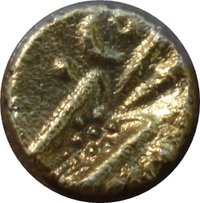
Obverse
Description:
P/VOC emblem.
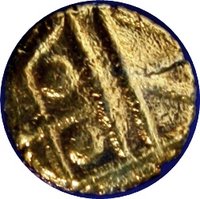
Reverse
Description:
Legend, circa G (Elria).
Inscription:
PALCATE
Edge
Mintings
| Year | Mint Mark | Mintage | Quality | Collection |
|---|---|---|---|---|
| 1780 | — | — |
Historical background
In 1780, the currency system of Dutch India, centered on the Dutch East India Company (VOC) headquarters in Batavia (modern-day Jakarta), was a complex and strained amalgamation of local and imported coinage. The primary unit of account was the rijksdaalder, valued at 48 stuivers, but the actual circulating medium was a chaotic mix. This included Spanish-American silver pesos (the famous "pieces of eight"), Japanese koban gold coins, various Indian and Malay tin and copper coins, and a growing volume of locally minted VOC copper duits. This multiplicity created constant exchange difficulties and fueled widespread counterfeiting.
The system was fundamentally weakened by the VOC's chronic bullion drain. The Company operated on a classic colonial model: importing precious metals, primarily silver, to purchase spices and other Asian goods for the European market. However, by the late 18th century, the VOC was in severe financial decline. Profits were falling, administrative costs were bloated, and the need to send vast quantities of silver to Asia strained its liquidity. This scarcity of official, high-quality specie in the archipelago led to frequent currency debasements and the acceptance of inferior foreign coins at artificially high rates just to keep commerce functioning.
This fragile monetary environment was thrown into crisis with the outbreak of the Fourth Anglo-Dutch War (1780-1784). The British naval blockade severed the vital flow of silver from Europe, causing an acute monetary shortage in Dutch colonies. Trade was severely disrupted, and the VOC's credit collapsed. In Batavia, authorities resorted to issuing emergency paper money—credit letters—to pay their debts, a desperate and unpopular measure that further eroded confidence. Thus, by 1780, the currency situation was not merely complicated but was becoming a critical symptom of the impending collapse of VOC power in the region.
The system was fundamentally weakened by the VOC's chronic bullion drain. The Company operated on a classic colonial model: importing precious metals, primarily silver, to purchase spices and other Asian goods for the European market. However, by the late 18th century, the VOC was in severe financial decline. Profits were falling, administrative costs were bloated, and the need to send vast quantities of silver to Asia strained its liquidity. This scarcity of official, high-quality specie in the archipelago led to frequent currency debasements and the acceptance of inferior foreign coins at artificially high rates just to keep commerce functioning.
This fragile monetary environment was thrown into crisis with the outbreak of the Fourth Anglo-Dutch War (1780-1784). The British naval blockade severed the vital flow of silver from Europe, causing an acute monetary shortage in Dutch colonies. Trade was severely disrupted, and the VOC's credit collapsed. In Batavia, authorities resorted to issuing emergency paper money—credit letters—to pay their debts, a desperate and unpopular measure that further eroded confidence. Thus, by 1780, the currency situation was not merely complicated but was becoming a critical symptom of the impending collapse of VOC power in the region.

✨ Legendary