

½ rupee – Dutch India
Add to wishlist
India
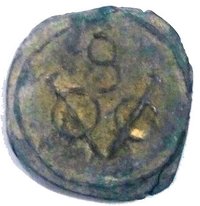
Obverse
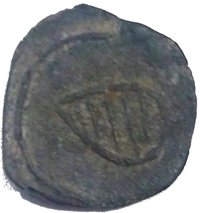
Reverse
Edge
Mintings
| Year | Mint Mark | Mintage | Quality | Collection |
|---|---|---|---|---|
| 1728 | — | — |
Historical background
In 1728, the currency situation in Dutch India, centered on the Coromandel Coast, Ceylon (Sri Lanka), and the Malabar Coast, was characterized by a complex and often chaotic multi-currency system. The Dutch East India Company (VOC) operated not as a sovereign state but as a commercial and territorial power, and its monetary policy was primarily driven by the need to facilitate trade and extract profit. The system was a messy amalgamation of imported European coins (like the Dutch rijksdaalder and stuiver), various Indian gold pagodas and silver rupees, and a plethora of smaller local copper coins used in everyday transactions. This created constant challenges of valuation, exchange, and counterfeiting, as the intrinsic value of silver and gold fluctuated against the Company's official rates.
The VOC attempted to impose order by minting its own coins at its Ceylon and Pulicat mints, such as the "Ceylonese rixdollar" and copper stuivers. However, these often failed to circulate at their mandated values, as the market trusted the silver content of Mughal rupees or the gold content of Arcot pagodas more than the Company's fiat. A persistent problem was the drain of full-weight silver coins from the Dutch system, as merchants would export them for profit, leaving behind a debased currency. In response, the Company frequently issued proclamations (plakaaten) to fix exchange rates and ban the export of certain coins, but these were largely ineffective against powerful market forces and widespread smuggling.
Therefore, the background of 1728 is one of a struggling monetary duality. The VOC needed a stable, controlled currency to pay soldiers, local laborers, and procure goods, yet it operated within a vibrant South Asian economy with its own deeply entrenched and trusted currency networks. The Company's attempts to bridge this gap through regulation and minting were constantly undermined by arbitrage, leading to chronic shortages of "good money" and a reliance on often unreliable coinage. This unstable financial environment added significant transaction costs and risk to all commercial activities in Dutch India during this period.
The VOC attempted to impose order by minting its own coins at its Ceylon and Pulicat mints, such as the "Ceylonese rixdollar" and copper stuivers. However, these often failed to circulate at their mandated values, as the market trusted the silver content of Mughal rupees or the gold content of Arcot pagodas more than the Company's fiat. A persistent problem was the drain of full-weight silver coins from the Dutch system, as merchants would export them for profit, leaving behind a debased currency. In response, the Company frequently issued proclamations (plakaaten) to fix exchange rates and ban the export of certain coins, but these were largely ineffective against powerful market forces and widespread smuggling.
Therefore, the background of 1728 is one of a struggling monetary duality. The VOC needed a stable, controlled currency to pay soldiers, local laborers, and procure goods, yet it operated within a vibrant South Asian economy with its own deeply entrenched and trusted currency networks. The Company's attempts to bridge this gap through regulation and minting were constantly undermined by arbitrage, leading to chronic shortages of "good money" and a reliance on often unreliable coinage. This unstable financial environment added significant transaction costs and risk to all commercial activities in Dutch India during this period.

✨ Legendary