

1 Bazaruco – Dutch India
India

Obverse
Description:
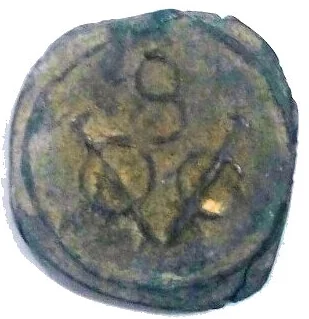
VOC monogram encircled, 8 above.
Reverse
Description:
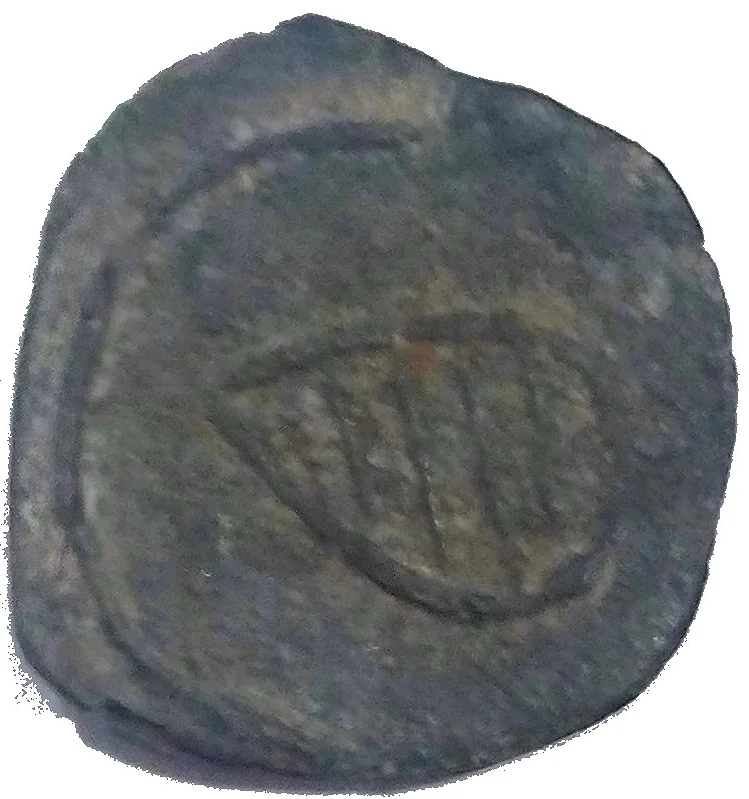
Circle conch
Edge
Plain
Mintings
| Year | Mint Mark | Mintage | Quality | Collection |
|---|---|---|---|---|
| — | — | — |
Historical background
In 1724, the currency situation in Dutch India, centered on the Coromandel Coast (primarily at Nagapatnam) and the Malabar Coast (at Cochin), was complex and driven by the Vereenigde Oost-Indische Compagnie's (VOC) mercantile priorities. The VOC operated not as a sovereign minting authority but as a powerful commercial entity within existing Asian monetary systems. Its primary goal was to procure goods for the European and intra-Asian trade, requiring a constant flow of acceptable specie to pay Indian merchants and weavers. Consequently, the Company was less concerned with establishing a unified currency and more with managing a multitude of coins—including Dutch guilders and ducatons, Japanese koban, Spanish and Mexican reales, and a plethora of local Indian coins like Mughal rupees and fanams—that circulated at fluctuating values.
The system was inherently bimetallic and relied heavily on the silver standard, with the "Pagoda" being a key unit of account. The Pagoda was not a single coin but a value standard, most commonly tied to the gold Star Pagoda, which itself was valued against a fixed weight of silver. This created a delicate and often unstable exchange mechanism. The VOC's ledgers in places like Nagapatnam were kept in "Pagoda money of account," while actual transactions involved weighing and assaying various physical coins, a process prone to manipulation and loss. The Company's "coins" were often just foreign or local pieces stamped with a small countermark (like the "VOC" monogram) to guarantee their weight and fineness, not to issue a new currency.
This environment created persistent challenges for the VOC, including revenue loss from currency exchange (aggio), fraud, and the constant drain of silver bullion from Europe to balance trade deficits. By 1724, while there were ongoing discussions within the Company about standardisation, no unified monetary system existed. The situation was one of managed chaos, where the VOC's financial officials spent considerable effort arbitrating between different coinages to ensure the Company could meet its procurement targets, all while navigating the monetary policies of local Indian rulers who ultimately controlled the minting of the most widely accepted circulating coins.
The system was inherently bimetallic and relied heavily on the silver standard, with the "Pagoda" being a key unit of account. The Pagoda was not a single coin but a value standard, most commonly tied to the gold Star Pagoda, which itself was valued against a fixed weight of silver. This created a delicate and often unstable exchange mechanism. The VOC's ledgers in places like Nagapatnam were kept in "Pagoda money of account," while actual transactions involved weighing and assaying various physical coins, a process prone to manipulation and loss. The Company's "coins" were often just foreign or local pieces stamped with a small countermark (like the "VOC" monogram) to guarantee their weight and fineness, not to issue a new currency.
This environment created persistent challenges for the VOC, including revenue loss from currency exchange (aggio), fraud, and the constant drain of silver bullion from Europe to balance trade deficits. By 1724, while there were ongoing discussions within the Company about standardisation, no unified monetary system existed. The situation was one of managed chaos, where the VOC's financial officials spent considerable effort arbitrating between different coinages to ensure the Company could meet its procurement targets, all while navigating the monetary policies of local Indian rulers who ultimately controlled the minting of the most widely accepted circulating coins.

💎 Extremely Rare