

1 Giulio – Papal States
Vatican City
Context
Years: 1721–1730
Country: Vatican City 
Issuer: Papal States
Ruler: Innocent XIII
Currency:
(1534—1835)
Demonetized: Yes
Material
References
KM: #Click to copy to clipboard780
Numista: #113653
Value
Bullion value: $7.06
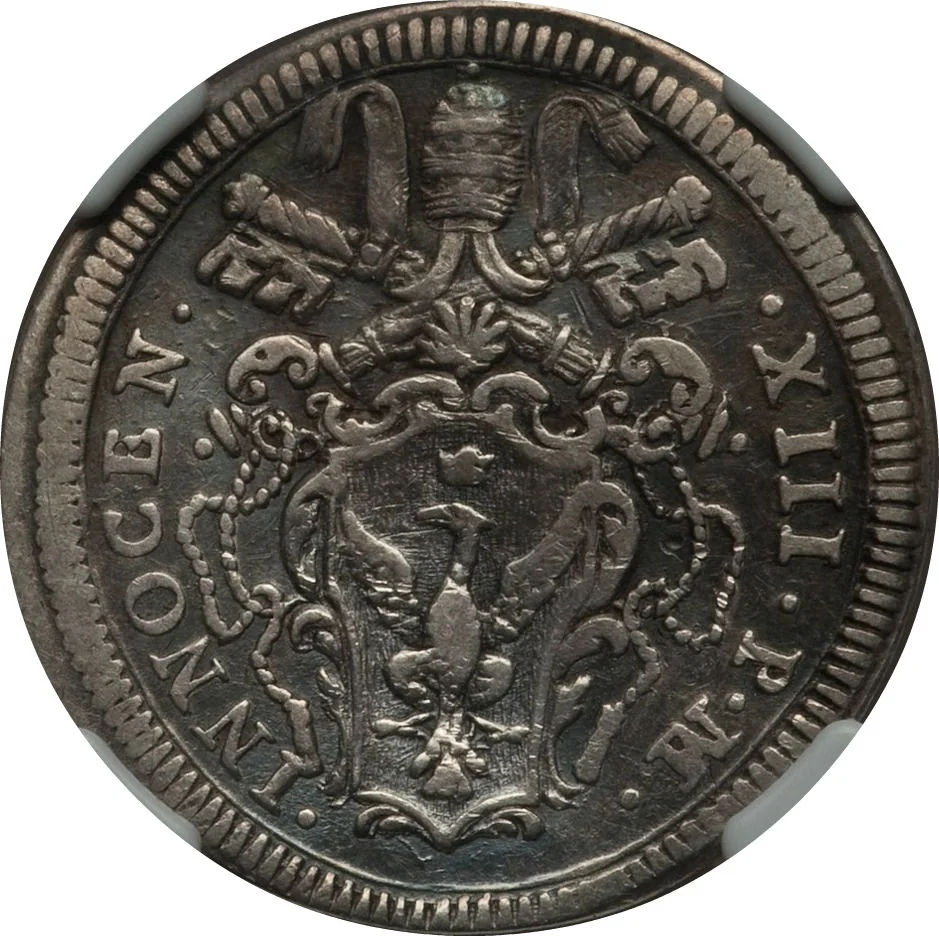
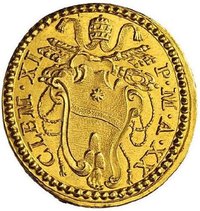
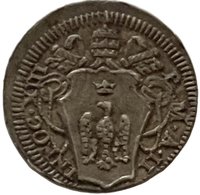
Obverse
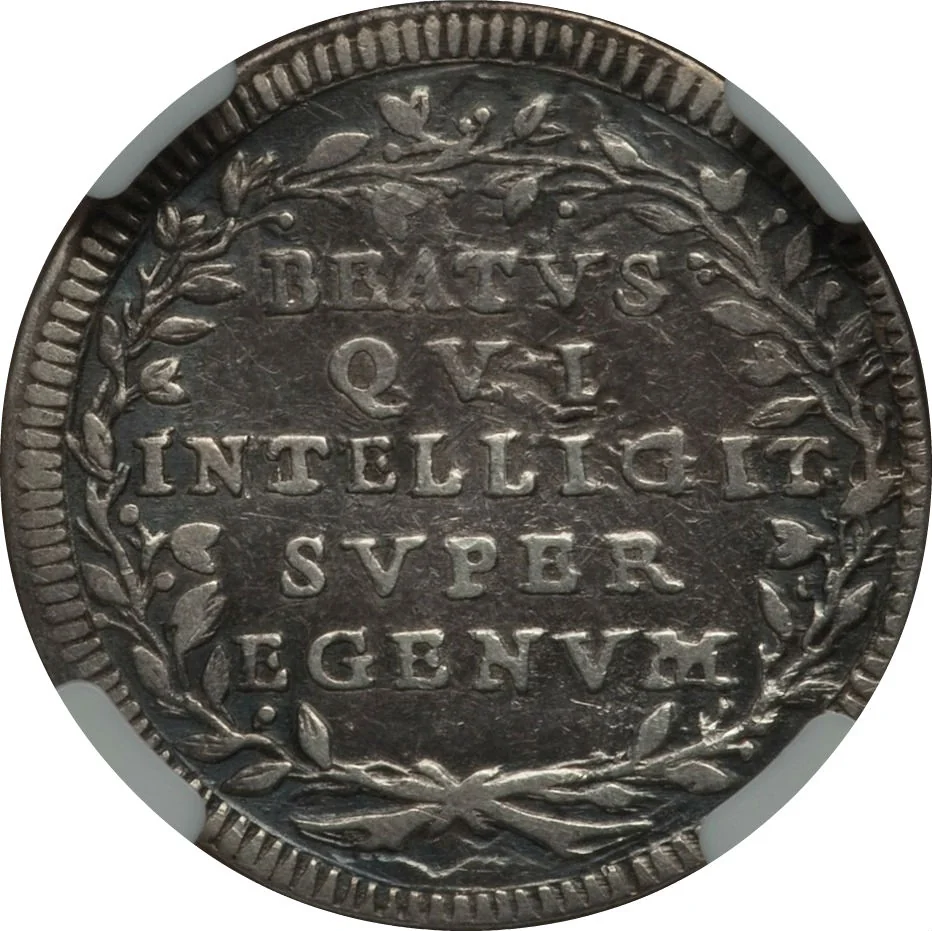
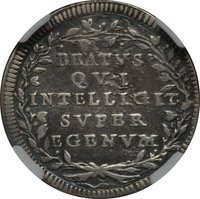
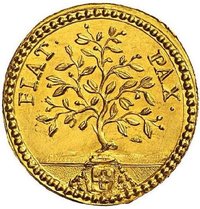
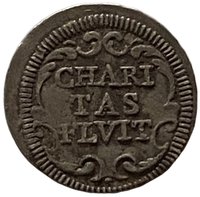
Reverse
Edge
Mintings
| Year | Mint Mark | Mintage | Quality | Collection |
|---|---|---|---|---|
| — | — | — |
Historical background
In 1721, the Papal States found themselves navigating a complex and challenging monetary situation, characteristic of the fragmented and debased currency systems common across pre-unification Italy. The state lacked a unified, stable currency of its own, instead circulating a bewildering variety of coins. These included local papal issues of varying quality, alongside a flood of foreign silver and gold coins from other Italian states, Spain, France, and the Habsburg territories. This proliferation created constant difficulties in exchange rates and facilitated widespread counterfeiting, undermining both daily commerce and state finances.
The root of the instability lay in chronic fiscal pressure. The Papacy, as both a spiritual sovereignty and a temporal state, faced significant expenses from administration, patronage, and military needs, yet its revenue streams from land taxes and ecclesiastical fees were often inefficient. To meet shortfalls, the papal mint frequently engaged in debasement—reducing the precious metal content in coins while maintaining their face value. This practice, a form of stealth taxation, generated immediate revenue but eroded public trust in the currency, leading to inflation and hoarding of older, purer coins (Gresham’s Law in action).
Pope Innocent XIII, reigning in 1721, inherited this problematic system from his predecessors. While the year itself was not marked by a major monetary reform, the ongoing crisis demanded attention. The primary struggle was to balance the urgent need for liquidity with the long-term necessity of monetary credibility. Any attempt at serious reform, such as recalling and reminting debased coinage or establishing a dominant papal scudo, was politically and economically perilous, requiring immense capital and risking severe short-term disruption. Thus, the currency situation remained a persistent, managed instability, reflecting the broader administrative challenges of governing the Papal States in the 18th century.
The root of the instability lay in chronic fiscal pressure. The Papacy, as both a spiritual sovereignty and a temporal state, faced significant expenses from administration, patronage, and military needs, yet its revenue streams from land taxes and ecclesiastical fees were often inefficient. To meet shortfalls, the papal mint frequently engaged in debasement—reducing the precious metal content in coins while maintaining their face value. This practice, a form of stealth taxation, generated immediate revenue but eroded public trust in the currency, leading to inflation and hoarding of older, purer coins (Gresham’s Law in action).
Pope Innocent XIII, reigning in 1721, inherited this problematic system from his predecessors. While the year itself was not marked by a major monetary reform, the ongoing crisis demanded attention. The primary struggle was to balance the urgent need for liquidity with the long-term necessity of monetary credibility. Any attempt at serious reform, such as recalling and reminting debased coinage or establishing a dominant papal scudo, was politically and economically perilous, requiring immense capital and risking severe short-term disruption. Thus, the currency situation remained a persistent, managed instability, reflecting the broader administrative challenges of governing the Papal States in the 18th century.
✨ Legendary