

1 Scudo – Papal States
Vatican City
Context
Year: 1720
Country: Vatican City 
Issuer: Papal States
Ruler: Clement XI
Currency:
(1534—1835)
Demonetized: Yes
References
KM: #Click to copy to clipboard775
Numista: #317291
Value
Bullion value: $576.44
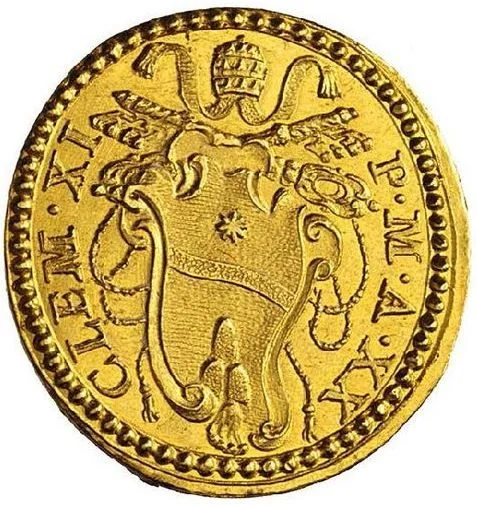
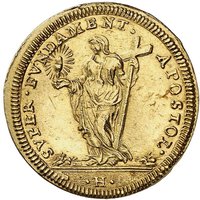
Obverse
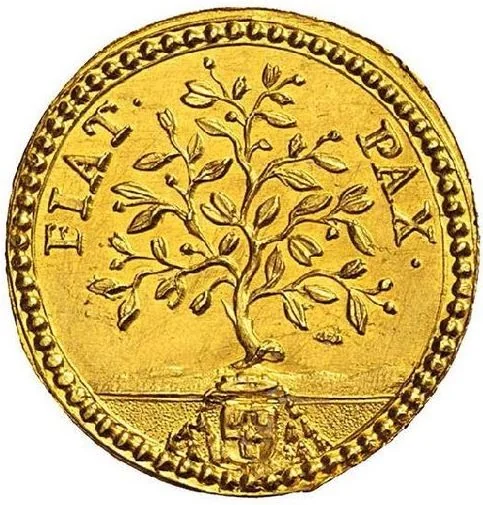
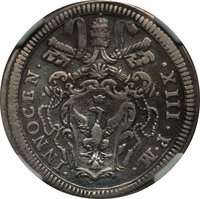
Reverse
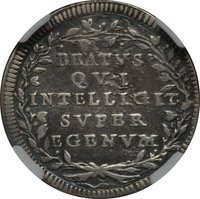
Edge
Mints
| Name | Mark |
|---|---|
| Rome | — |
Mintings
| Year | Mint Mark | Mintage | Quality | Collection |
|---|---|---|---|---|
| 1720 | — | — |
Historical background
In 1720, the Papal States found itself in a severe monetary crisis, a direct consequence of the disastrous Mississippi Bubble that had engulfed France. The root of the problem lay with the Controller General of Finances for the French regent, the Duke of Orleans, Cardinal Guillaume Dubois. Seeking to support the collapsing French economy and its worthless paper money, Dubois, who was also a papal advisor, pressured Pope Innocent XIII to absorb a massive quantity of this devalued French currency. The Papal Treasury was effectively forced to exchange its sound silver scudo coins for the unstable French paper livres and mint debased coinage, importing France's financial contagion directly into the heart of the Papal States.
The immediate result was economic chaos. The influx of poor-quality and overvalued coinage, alongside the de facto devaluation of the papal scudo, triggered rampant inflation and a collapse in public confidence. As the value of money plummeted, the cost of basic goods and foodstuffs soared, leading to widespread hardship and social unrest among the population. Trust in the government's financial management evaporated, and a climate of uncertainty paralyzed markets and trade within the Papal territories, revealing the profound vulnerability of the state's economy to external political pressures.
This crisis underscored the fragile and archaic nature of papal public finance, which heavily relied on inconsistent revenue from taxes, tributes, and charitable contributions. The episode of 1720 exposed a lack of robust fiscal institutions and left the Papal Treasury severely depleted. The financial damage lingered for years, contributing to a period of economic stagnation and weakening the temporal authority of the papacy at a time when European states were moving toward more modern and centralized financial systems.
The immediate result was economic chaos. The influx of poor-quality and overvalued coinage, alongside the de facto devaluation of the papal scudo, triggered rampant inflation and a collapse in public confidence. As the value of money plummeted, the cost of basic goods and foodstuffs soared, leading to widespread hardship and social unrest among the population. Trust in the government's financial management evaporated, and a climate of uncertainty paralyzed markets and trade within the Papal territories, revealing the profound vulnerability of the state's economy to external political pressures.
This crisis underscored the fragile and archaic nature of papal public finance, which heavily relied on inconsistent revenue from taxes, tributes, and charitable contributions. The episode of 1720 exposed a lack of robust fiscal institutions and left the Papal Treasury severely depleted. The financial damage lingered for years, contributing to a period of economic stagnation and weakening the temporal authority of the papacy at a time when European states were moving toward more modern and centralized financial systems.
✨ Legendary