

1 Memduhiye Altin – Ottoman Empire
Turkey
Context
Year: 1255
Country: Turkey 
Issuer: Ottoman Empire
Ruler: Abdulmejid I
Currency:
(1688—1844)
Demonetized: Yes
Material
Diameter: 20.05 mm
Weight: 1.58 g
Gold weight: 1.31 g
Shape: Round
Composition: 83% Gold
Standard: Gold twentieth ounce
Magnetic: No
References
KM: #Click to copy to clipboard659
Numista: #472806
Value
Bullion value: $218.32
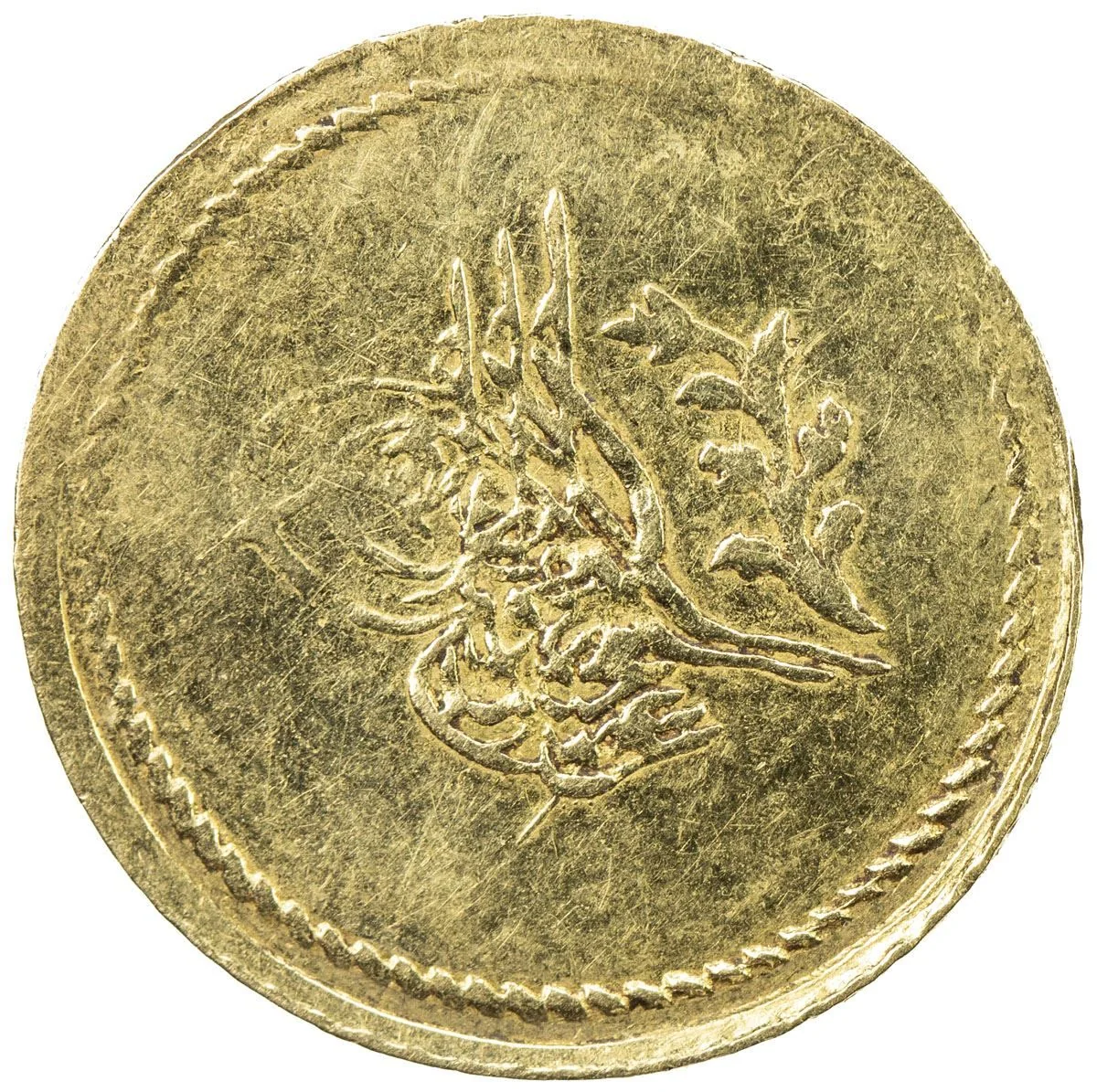
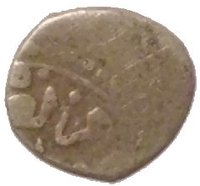
Obverse
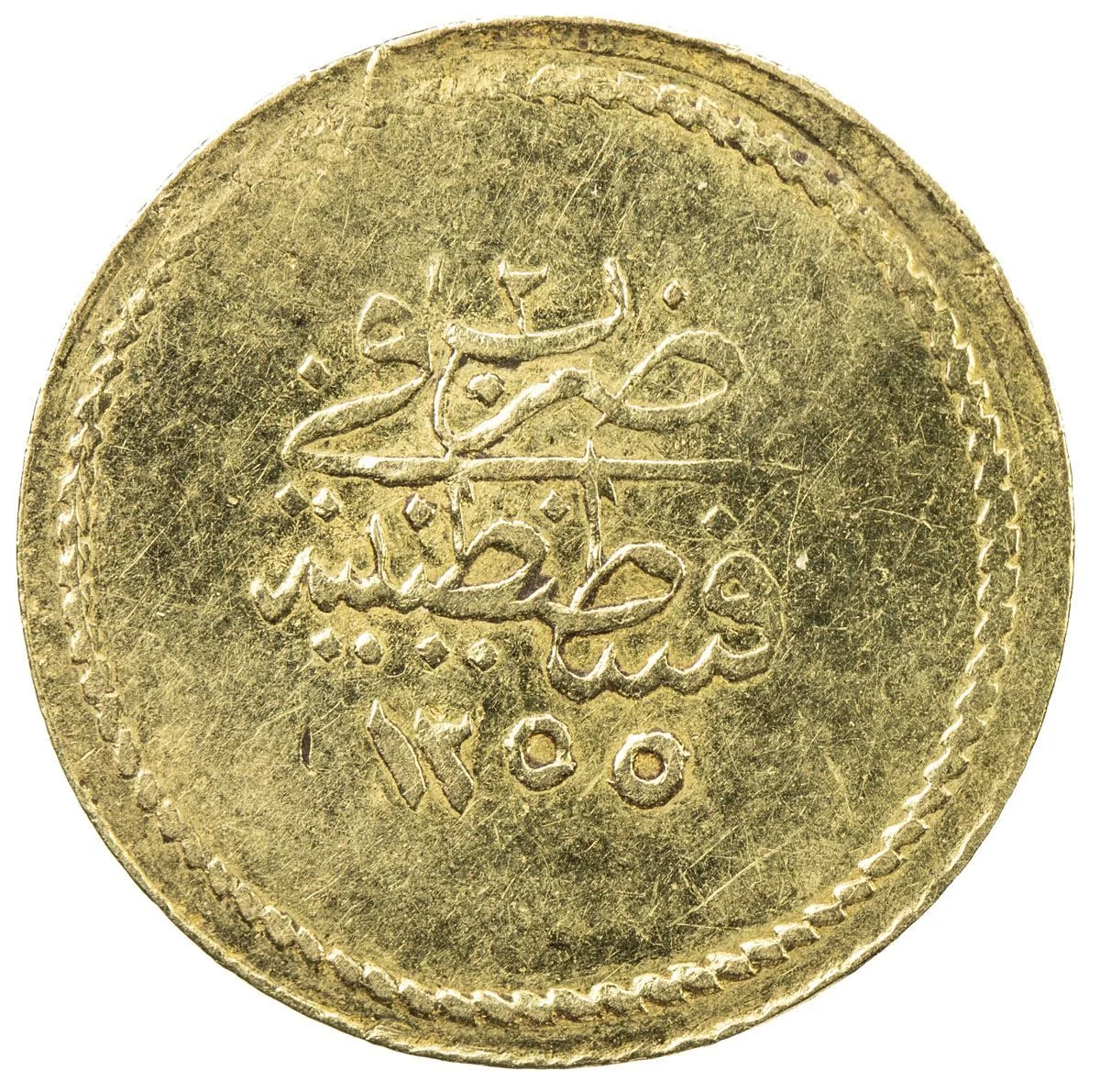
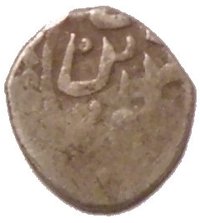
Reverse
Inscription:
٢
ضرب في
قسطنطنية
١٢٥٥
ضرب في
قسطنطنية
١٢٥٥
Edge
Mintings
| Year | Mint Mark | Mintage | Quality | Collection |
|---|---|---|---|---|
| 1255 | 1 | — | ||
| 1255 | 2 | — | ||
| 1255 | 3 | — | ||
| 1255 | 4 | — | ||
| 1255 | 5 | — |
Historical background
The year 1255 AH (corresponding to 1839-1840 CE) falls within a critical period of Ottoman monetary history, marked by profound crisis and attempted reform. The Ottoman Empire was grappling with the severe financial and political consequences of the Napoleonic Wars, the Greek War of Independence, and the costly war with Muhammad Ali of Egypt. To finance these conflicts, successive Sultans had resorted to drastic debasement of the primary silver coin, the kuruş (piastre). By the 1830s, the intrinsic silver content of the coinage had been reduced to a fraction of its nominal value, leading to a collapse in public confidence, rampant inflation, and a chaotic monetary system where older, purer coins circulated at a premium.
This monetary instability reached its peak just as the new Sultan, Abdülmecid I, and his reformist ministers launched the Tanzimat reforms in 1839, aiming to modernize the empire. A stable currency was recognized as a fundamental prerequisite for economic recovery and integration into the European-dominated global trade system. Consequently, the government, under Grand Vizier Mustafa Reşid Pasha, embarked on a bold and risky plan in 1840 to introduce the first Ottoman paper money, the kaime. These were not banknotes in the modern sense but interest-bearing treasury bonds intended to circulate as currency, aimed at retiring the devalued coinage and creating a stable medium of exchange.
Therefore, the currency situation in 1255 AH was one of transition from a shattered metallic system toward a state-managed paper standard. The immediate background was one of severe debasement and financial distress, while the year itself was a pivot point, setting the stage for the experimental issuance of the kaime. This move represented the empire's first major step toward a centralized modern monetary policy, though the kaime itself would later succumb to over-issuance and depreciation, underscoring the immense difficulty of stabilizing Ottoman finances in an age of imperial decline.
This monetary instability reached its peak just as the new Sultan, Abdülmecid I, and his reformist ministers launched the Tanzimat reforms in 1839, aiming to modernize the empire. A stable currency was recognized as a fundamental prerequisite for economic recovery and integration into the European-dominated global trade system. Consequently, the government, under Grand Vizier Mustafa Reşid Pasha, embarked on a bold and risky plan in 1840 to introduce the first Ottoman paper money, the kaime. These were not banknotes in the modern sense but interest-bearing treasury bonds intended to circulate as currency, aimed at retiring the devalued coinage and creating a stable medium of exchange.
Therefore, the currency situation in 1255 AH was one of transition from a shattered metallic system toward a state-managed paper standard. The immediate background was one of severe debasement and financial distress, while the year itself was a pivot point, setting the stage for the experimental issuance of the kaime. This move represented the empire's first major step toward a centralized modern monetary policy, though the kaime itself would later succumb to over-issuance and depreciation, underscoring the immense difficulty of stabilizing Ottoman finances in an age of imperial decline.
✨ Legendary