

1 Ashrafi – Iran
Iran
Context
Material
Weight: 3.51 g
Gold weight: 3.51 g
Shape: Irregular round
Composition: Gold
Magnetic: No
Technique: Hammered
References
KM: #Click to copy to clipboard306.4
Numista: #412926
Value
Bullion value: $585.46
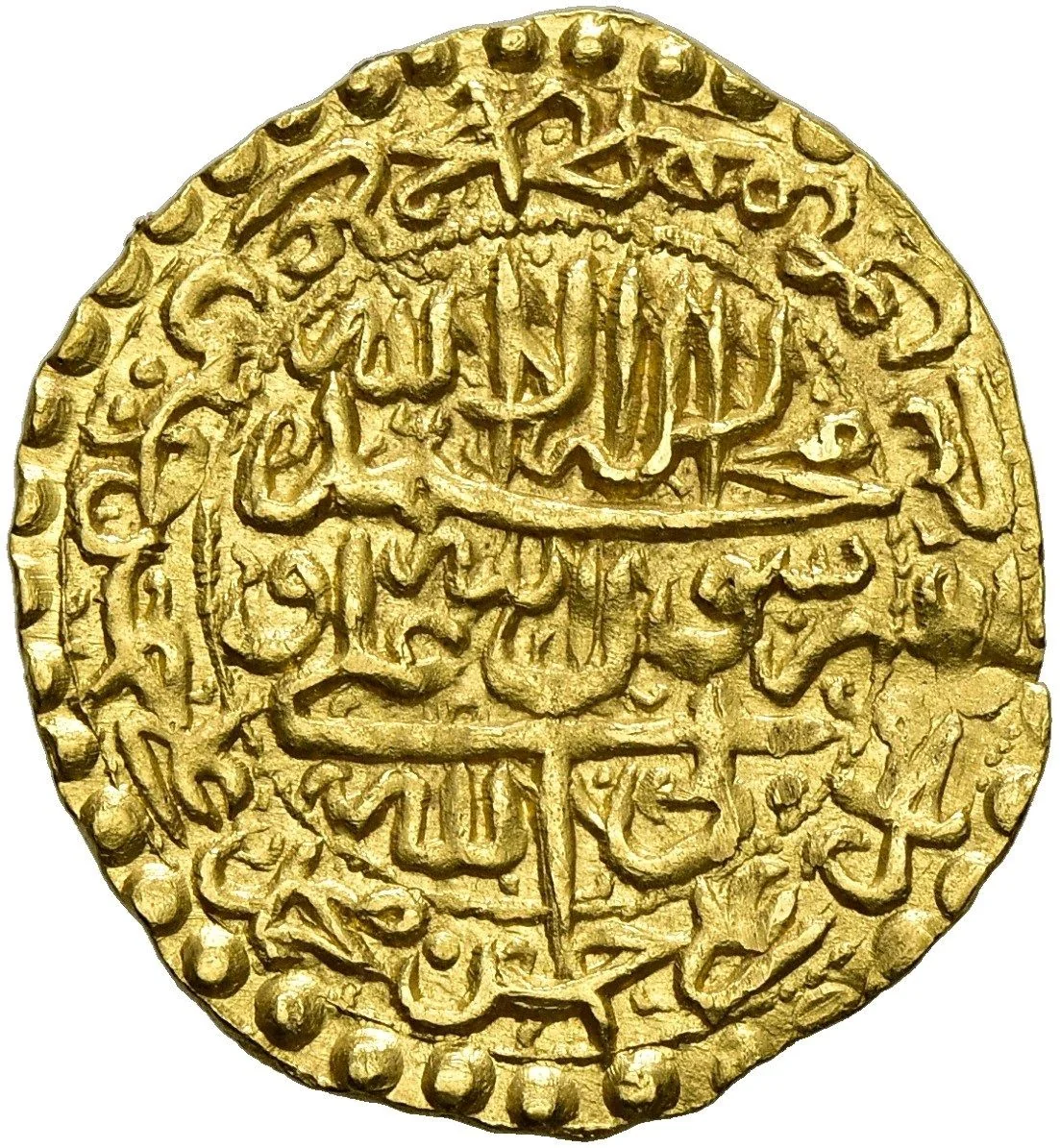
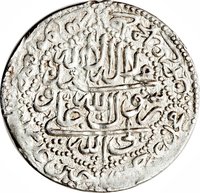
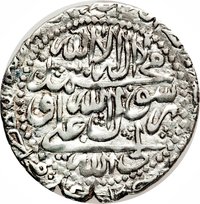
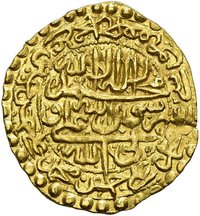
Obverse
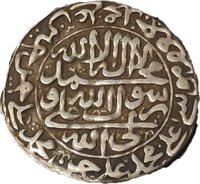
Inscription:
لا اله الا الله
محمد رسول الله
علی ولی الله
محمد رسول الله
علی ولی الله
Script: Arabic
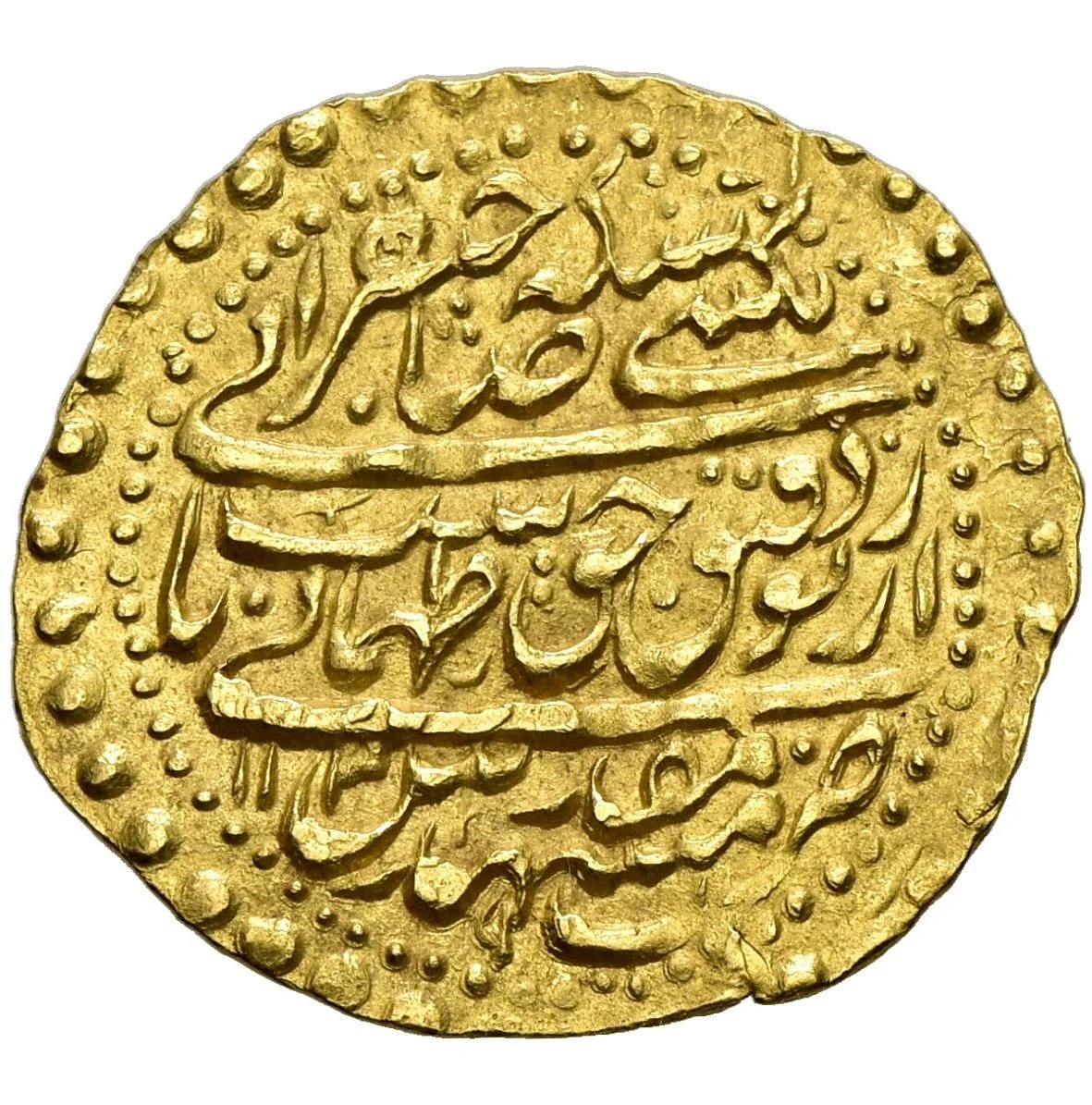
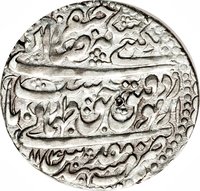
Reverse
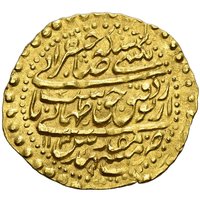
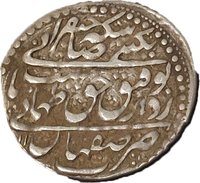
Inscription:
بگیتی سکه صاحبقرانی زد از توفیق حقّ طهماسب ثانی
ضرب مشهد مقدس
۱۱۳۹
ضرب مشهد مقدس
۱۱۳۹
Script: Persian (nastaliq)
Edge
Plain
Mints
| Name | Mark |
|---|---|
| Mashhad Muqaddas | مشهد |
Mintings
| Year | Mint Mark | Mintage | Quality | Collection |
|---|---|---|---|---|
| 1727 | — | — | ||
| 1728 | — | — |
Historical background
In 1727, Iran's currency situation was characterized by severe instability and debasement, a direct consequence of the political and military turmoil following the collapse of the Safavid dynasty. The Afghan Hotaki invasion in 1722 had sacked the capital, Isfahan, shattered central authority, and disrupted the sophisticated royal mint system that had previously maintained the integrity of the silver abbasi and gold toman. With the state treasury looted and regional khans asserting autonomy, the production and standardization of coinage fractured, leading to a proliferation of coins of varying weight and purity.
The primary currency, the silver abbasi, suffered drastic devaluation as both the collapsing Safavid loyalists and the new Hotaki rulers engaged in emergency debasement to finance their military campaigns. Coins were struck with progressively lower silver content, destroying public trust and causing rampant inflation in markets. This monetary chaos crippled long-distance trade and the urban economy, as merchants hoarded old, high-value coins (following Gresham's Law) and struggled to assess the real value of new ones, exacerbating the widespread famine and economic depression gripping the country.
This precarious monetary environment persisted into 1727, a year during which the Hotaki ruler Ashraf Khan was desperately consolidating his fragile hold against both internal rebellion and the rising threat of Nader Qoli (the future Nader Shah Afshar). While Ashraf attempted some administrative reforms, there was no effective, unified monetary policy. The currency situation, therefore, remained a symptom of the broader collapse of the state, serving as a significant obstacle to economic recovery and a reflection of the anarchy that would only begin to be resolved with Nader Shah's eventual reconquest and the establishment of the Afsharid dynasty several years later.
The primary currency, the silver abbasi, suffered drastic devaluation as both the collapsing Safavid loyalists and the new Hotaki rulers engaged in emergency debasement to finance their military campaigns. Coins were struck with progressively lower silver content, destroying public trust and causing rampant inflation in markets. This monetary chaos crippled long-distance trade and the urban economy, as merchants hoarded old, high-value coins (following Gresham's Law) and struggled to assess the real value of new ones, exacerbating the widespread famine and economic depression gripping the country.
This precarious monetary environment persisted into 1727, a year during which the Hotaki ruler Ashraf Khan was desperately consolidating his fragile hold against both internal rebellion and the rising threat of Nader Qoli (the future Nader Shah Afshar). While Ashraf attempted some administrative reforms, there was no effective, unified monetary policy. The currency situation, therefore, remained a symptom of the broader collapse of the state, serving as a significant obstacle to economic recovery and a reflection of the anarchy that would only begin to be resolved with Nader Shah's eventual reconquest and the establishment of the Afsharid dynasty several years later.
✨ Legendary