

Iran
Context

Material
Weight: 3.45 g
Gold weight: 3.45 g
Shape: Irregular round
Composition: Gold
Magnetic: No
Technique: Hammered
References
KM: #Click to copy to clipboard306.9
Numista: #412925
Value
Bullion value: $575.45
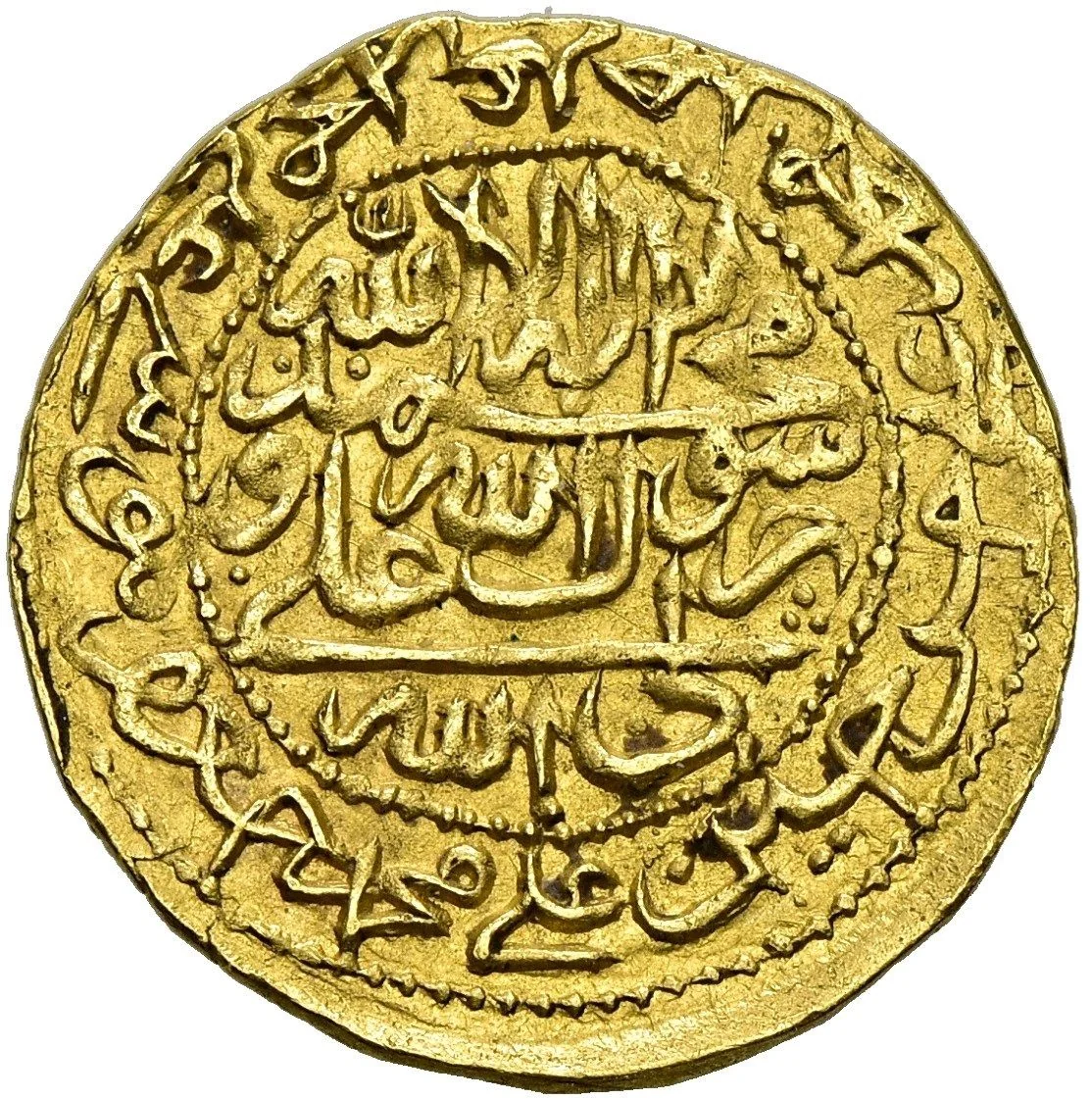
Obverse
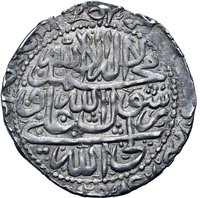
Description:
Shi'ah Kalimah centered, surrounded by the names of the Twelve Imams.
Inscription:
لا اله الا الله
محمد رسول الله
علی ولی الله
علی حسن حسین علی محمد جعفر موسی علی محمد علی حسن محمد
محمد رسول الله
علی ولی الله
علی حسن حسین علی محمد جعفر موسی علی محمد علی حسن محمد
Script: Arabic
Reverse
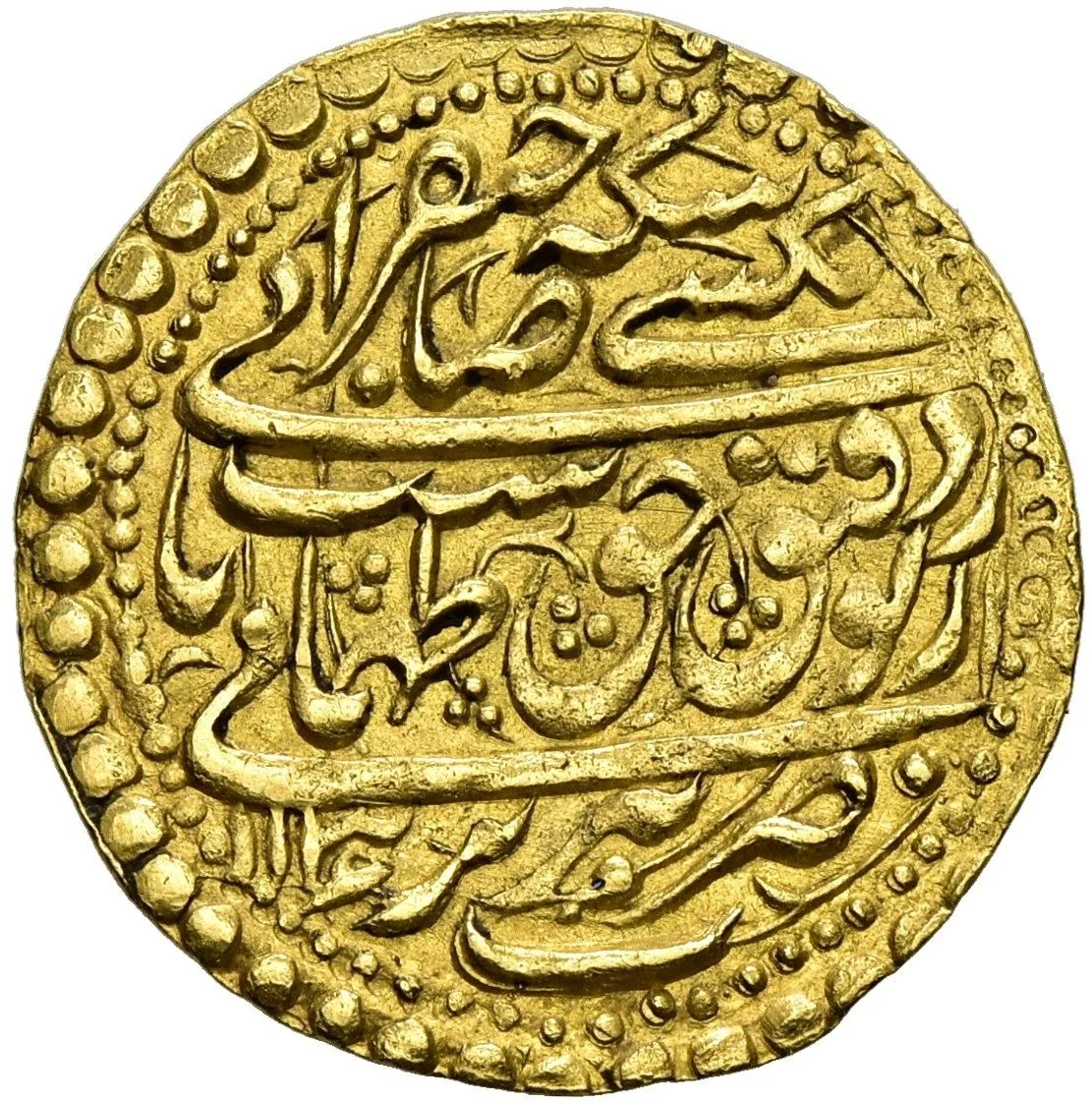
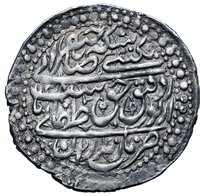
Inscription:
بگیتی سکه صاحبقرانی زد از توفیق حق طهماسب ثانی
ضرب تبریز
۱۱۳۶
ضرب تبریز
۱۱۳۶
Script: Persian (nastaliq)
Edge
Plain
Mints
| Name | Mark |
|---|---|
| Tebriz | تبریز |
Mintings
| Year | Mint Mark | Mintage | Quality | Collection |
|---|---|---|---|---|
| 1724 | — | — | ||
| 1730 | — | — |
Historical background
In 1724, the currency situation in Iran was one of profound instability and debasement, a direct consequence of the political and military collapse of the Safavid Empire. The Afghan Hotaki invasion, culminating in the siege of Isfahan in 1722 and the capture of Sultan Husayn, had shattered the centralized state. The treasury was looted, the vital royal minting system was disrupted, and regional khans and warlords seized control, leading to a fracturing of monetary authority. The once-reliable silver abbasi and gold toman, which had facilitated trade across the empire, now faced severe shortages and wildly inconsistent valuation from region to region.
This period saw a return to primitive monetary practices and rampant counterfeiting. With no central authority to guarantee value, various pretenders to the throne and provincial governors issued their own crude copper and silver coins, often with drastically reduced precious metal content. The result was severe inflation and a loss of public trust in coinage. Long-distance trade, the lifeblood of the Persian economy, was severely hampered as merchants struggled to establish exchange rates and faced the risk of their currency being refused outside its area of issuance, pushing commerce toward barter.
The currency chaos of 1724 was therefore a symptom and accelerator of Iran's broader societal breakdown. It reflected the vacuum of power following the Safavid fall and preceded the even greater turmoil of Nader Shah's rise, who would later attempt to restore monetary order through brutal conquest and recoinage. The situation underscored how the strength of a pre-modern currency was inextricably linked to the strength and legitimacy of the ruling dynasty, both of which had catastrophically failed.
This period saw a return to primitive monetary practices and rampant counterfeiting. With no central authority to guarantee value, various pretenders to the throne and provincial governors issued their own crude copper and silver coins, often with drastically reduced precious metal content. The result was severe inflation and a loss of public trust in coinage. Long-distance trade, the lifeblood of the Persian economy, was severely hampered as merchants struggled to establish exchange rates and faced the risk of their currency being refused outside its area of issuance, pushing commerce toward barter.
The currency chaos of 1724 was therefore a symptom and accelerator of Iran's broader societal breakdown. It reflected the vacuum of power following the Safavid fall and preceded the even greater turmoil of Nader Shah's rise, who would later attempt to restore monetary order through brutal conquest and recoinage. The situation underscored how the strength of a pre-modern currency was inextricably linked to the strength and legitimacy of the ruling dynasty, both of which had catastrophically failed.
✨ Legendary