

1 ashrafi – Iran
Add to wishlist
Iran
Context
Material
Weight: 3.69 g
Gold Weight:: 3.69 g
Shape: Irregular round
Composition: Gold
Magnetic: No
Technique: Hammered
References
KM: #
Numista: #412912
Value
Bullion value: $568.03
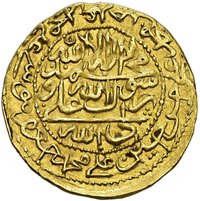
Obverse
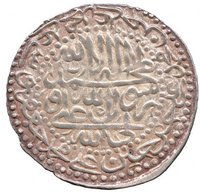
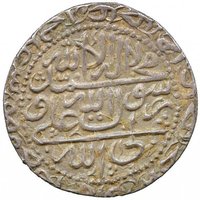
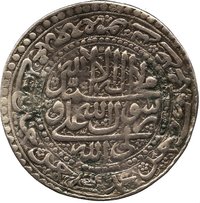
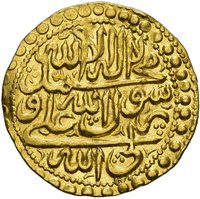
Description:
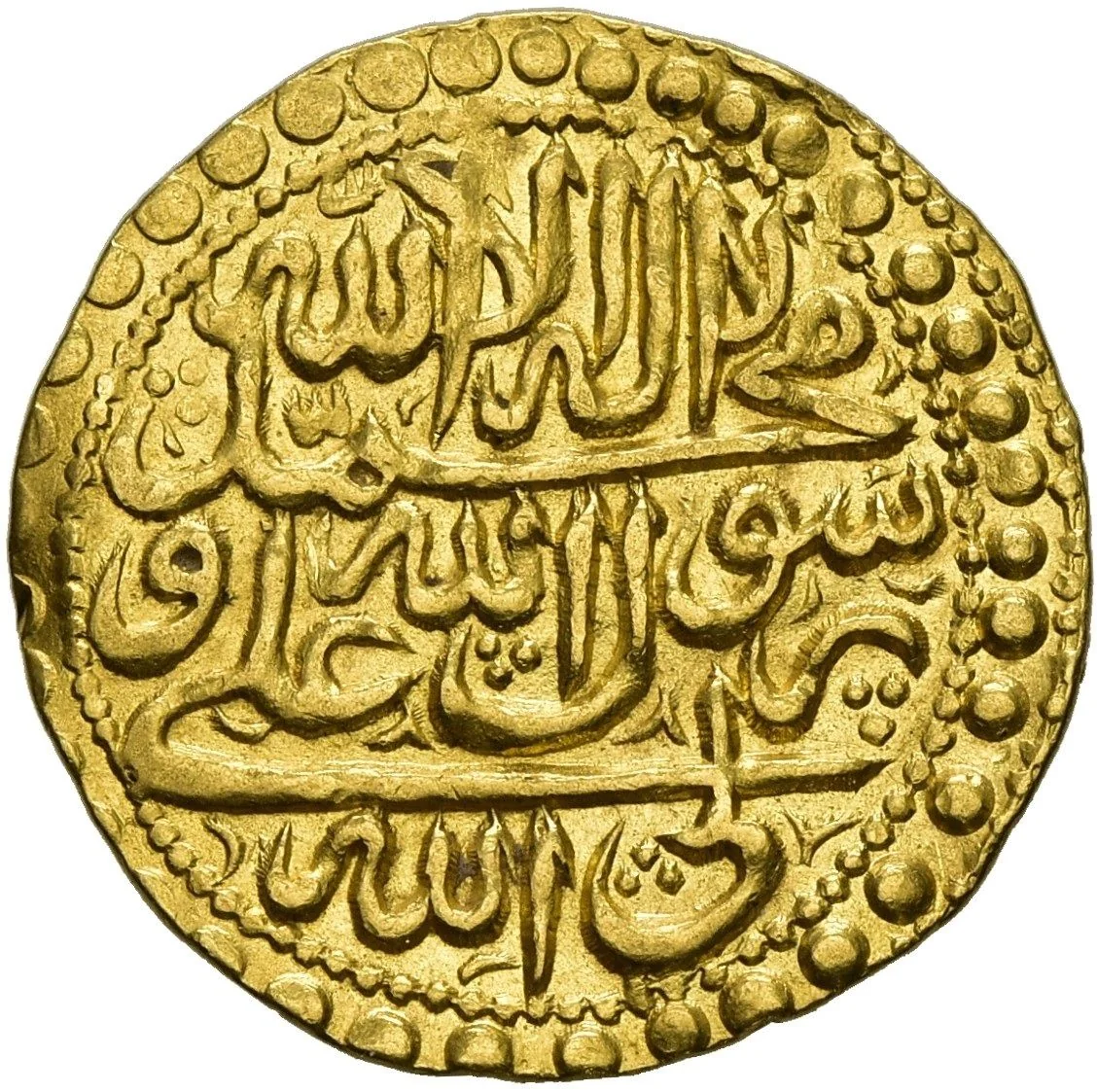
Shi’ah Kalimah in three lines.
Inscription:
لا اله الا الله
محمد رسول الله
علی ولی الله
محمد رسول الله
علی ولی الله
Script: Arabic
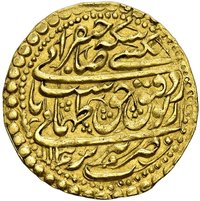
Reverse
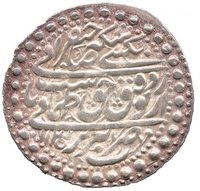
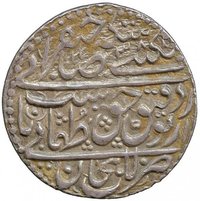
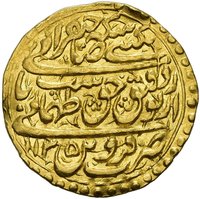
Description:
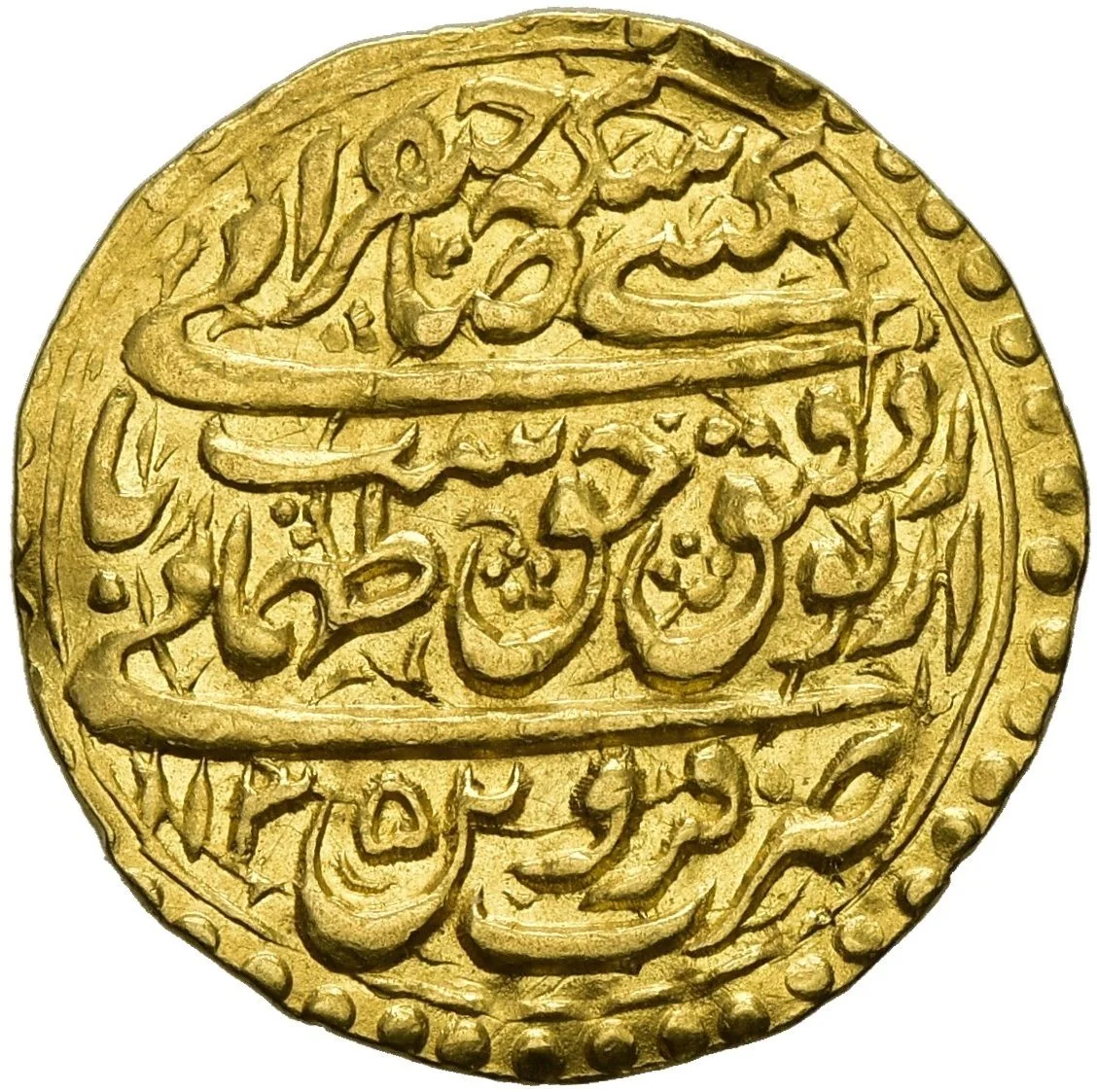
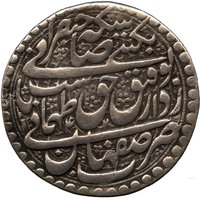
"Minted"
Inscription:
بگیتی سکه صاحبقرانی
زد از توفیق حق طهماسب ثانی
ضرب قزوین
۱۱۳۵
زد از توفیق حق طهماسب ثانی
ضرب قزوین
۱۱۳۵
Script: Persian (nastaliq)
Edge
Plain
Mints
| Name | Mark |
|---|---|
| Qazwin | قزوین |
Mintings
| Year | Mint Mark | Mintage | Quality | Collection |
|---|---|---|---|---|
| 1723 | — | — | ||
| 1729 | — | — | ||
| 1731 | — | — |
Historical background
In 1723, Iran's currency system was in a state of severe crisis and transition, a direct consequence of the preceding decades of political collapse. The Safavid Empire, which had provided a century of stability and a standardized silver-based coinage, had effectively disintegrated. In 1722, the capital, Isfahan, fell after a brutal siege by Afghan Hotaki invaders, plunging the nation into a prolonged period of civil war, foreign occupation, and fragmented rule. The central minting authority broke down, leading to a proliferation of regional and occupation currencies of varying weight and purity, which destroyed public confidence in the monetary system.
The primary circulating currency, the silver abbasi, suffered from drastic debasement. Provincial warlords, tribal khans, and the Afghan occupiers all minted their own coins to finance their armies, often drastically reducing the silver content. This resulted in severe inflation, as the nominal value of coins far exceeded their intrinsic metal worth. Simultaneously, the vital inflow of New World silver via European trade routes, which had historically sustained the Safavid coinage, was severely disrupted by the chaos, creating a scarcity of precious bullion needed to mint high-value currency.
Furthermore, the monetary landscape became a complex and unreliable patchwork. Alongside the debased abbasi, older Safavid coins remained in circulation but were often hoarded, while foreign coins like Ottoman, Russian, and Indian rupees also circulated, their values fluctuating based on local political and military fortunes. This period, part of the so-called "Iranian Intermezzo," saw the currency become both a symptom and a cause of deep instability, where economic calculation was nearly impossible, severely hampering trade and exacerbating the widespread suffering caused by war and famine. The situation would only begin to stabilize decades later with the rise of Nader Shah and his forceful re-establishment of a central minting authority.
The primary circulating currency, the silver abbasi, suffered from drastic debasement. Provincial warlords, tribal khans, and the Afghan occupiers all minted their own coins to finance their armies, often drastically reducing the silver content. This resulted in severe inflation, as the nominal value of coins far exceeded their intrinsic metal worth. Simultaneously, the vital inflow of New World silver via European trade routes, which had historically sustained the Safavid coinage, was severely disrupted by the chaos, creating a scarcity of precious bullion needed to mint high-value currency.
Furthermore, the monetary landscape became a complex and unreliable patchwork. Alongside the debased abbasi, older Safavid coins remained in circulation but were often hoarded, while foreign coins like Ottoman, Russian, and Indian rupees also circulated, their values fluctuating based on local political and military fortunes. This period, part of the so-called "Iranian Intermezzo," saw the currency become both a symptom and a cause of deep instability, where economic calculation was nearly impossible, severely hampering trade and exacerbating the widespread suffering caused by war and famine. The situation would only begin to stabilize decades later with the rise of Nader Shah and his forceful re-establishment of a central minting authority.
Series: 1723 Iran circulation coins
✨ Legendary