

Iran
Context
Material
Diameter: 28 mm
Weight: 5.3 g
Silver weight: 5.30 g
Shape: Irregular round
Composition: Silver
Magnetic: No
Technique: Hammered
Alignment: Coin alignment
flip
References
KM: #Click to copy to clipboard303.9
Numista: #61138
Value
Bullion value: $15.40
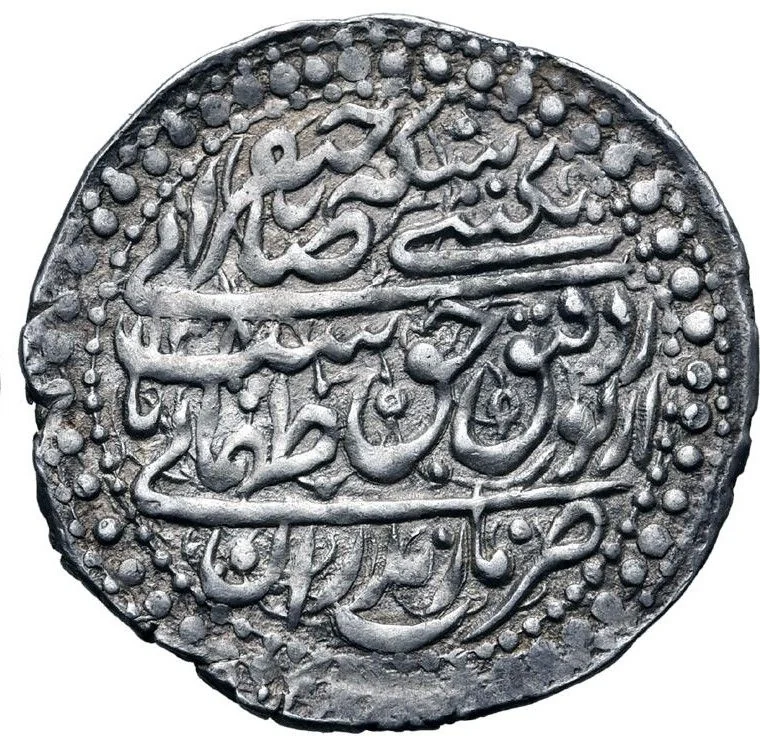
Obverse
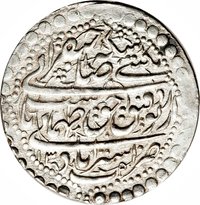
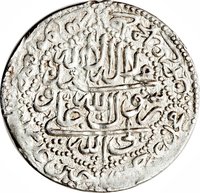
Description:
Royal mint inscription with date.
Inscription:
بگیتی سکه صاحبقرانی زد از توفیق حق طهماسب ثانی
ضرب مازندران
۱۱۳۸
ضرب مازندران
۱۱۳۸
Script: Persian
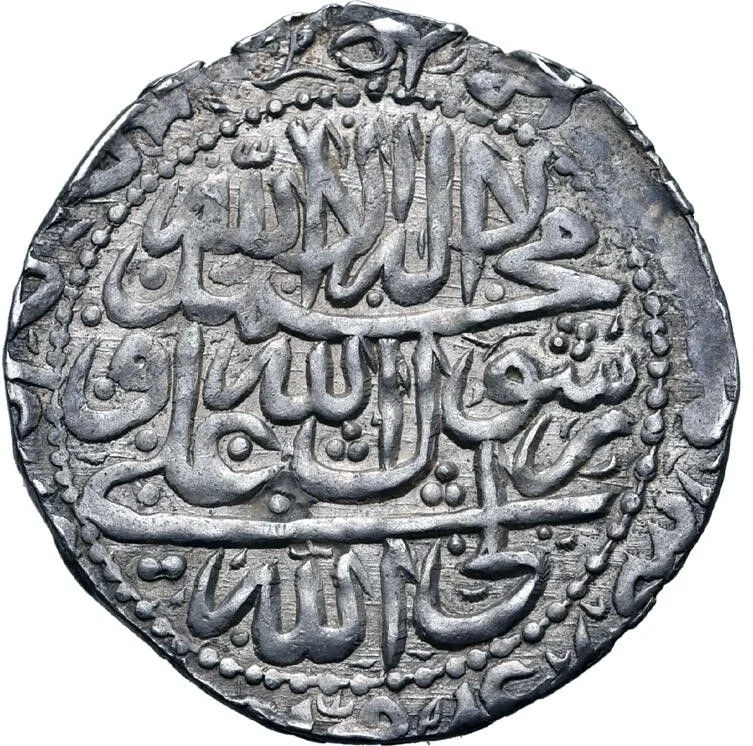
Reverse
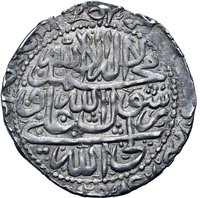
Description:
Shi'ite Kalima encircled by the names of the Twelve Imams.
Inscription:
لا اله الا الله/محمّد رسول الله/علی ولی الله
علی حسن حسین علی محمد جعفر موسی علی محمد علی حسن محمد
علی حسن حسین علی محمد جعفر موسی علی محمد علی حسن محمد
Script: Persian
Edge
Plain
Mints
| Name | Mark |
|---|---|
| Mazandaran Province, Tabaristan | — |
Mintings
| Year | Mint Mark | Mintage | Quality | Collection |
|---|---|---|---|---|
| 1726 | — | — | ||
| 1728 | — | — | ||
| 1729 | — | — | ||
| 1730 | — | — | ||
| 1731 | — | — |
Historical background
In 1726, the currency situation in Iran was one of profound instability and debasement, a direct consequence of the political and military turmoil that had engulfed the region. The Safavid Empire, which had once provided a century of stability and a standardized silver-based currency (the abbasi and mohammadi), was in its death throes. Following the catastrophic fall of Isfahan to Afghan invaders in 1722, the country fractured, with the Hotaki Afghans controlling the center, the Ottomans occupying the west, and the Russians the north. Each authority, along with various provincial governors and tribal leaders, minted their own coins, leading to a chaotic proliferation of currencies of wildly varying purity and weight.
The primary economic driver was the desperate need for coin to pay armies. Ruling factions, lacking strong central treasuries, resorted to severe debasement—drastically reducing the silver content in coins while maintaining their face value. This practice, essentially a form of inflationary taxation, destroyed public trust in the currency. Merchants and the populace hoarded older, purer Safavid coins, exacerbating the shortage of reliable money in daily circulation. The result was a crippled economy where barter became common, long-distance trade was severely disrupted, and price inflation for basic goods soared, compounding the widespread famine and hardship caused by years of war and rebellion.
This monetary anarchy persisted until the rise of Nader Shah, who was in the early stages of his campaign to reunify the country in 1726. His eventual success would lead to a temporary restoration of a unified currency system, but in that specific year, the coinage was a perfect symbol of the state itself: fragmented, degraded, and a source of widespread suffering for the Iranian people. The situation underscored that without political unity, there could be no monetary stability.
The primary economic driver was the desperate need for coin to pay armies. Ruling factions, lacking strong central treasuries, resorted to severe debasement—drastically reducing the silver content in coins while maintaining their face value. This practice, essentially a form of inflationary taxation, destroyed public trust in the currency. Merchants and the populace hoarded older, purer Safavid coins, exacerbating the shortage of reliable money in daily circulation. The result was a crippled economy where barter became common, long-distance trade was severely disrupted, and price inflation for basic goods soared, compounding the widespread famine and hardship caused by years of war and rebellion.
This monetary anarchy persisted until the rise of Nader Shah, who was in the early stages of his campaign to reunify the country in 1726. His eventual success would lead to a temporary restoration of a unified currency system, but in that specific year, the coinage was a perfect symbol of the state itself: fragmented, degraded, and a source of widespread suffering for the Iranian people. The situation underscored that without political unity, there could be no monetary stability.
✨ Legendary