

Iran
Context

Material
Diameter: 38 mm
Weight: 18.27 g
Silver weight: 18.27 g
Shape: Irregular round
Composition: Silver
Magnetic: No
Technique: Hammered
References
KM: #Click to copy to clipboard227
Numista: #412624
Value
Bullion value: $53.10
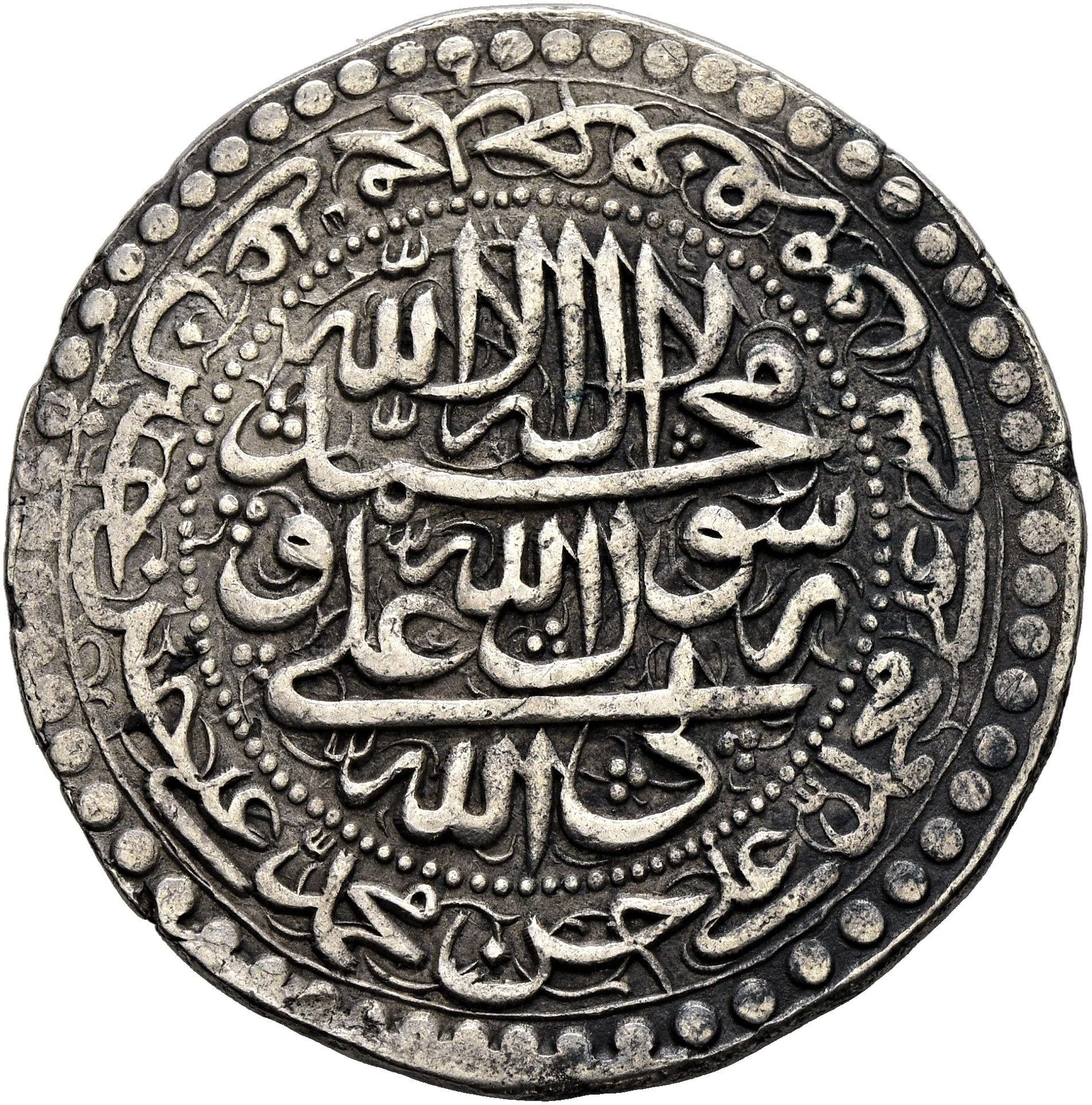
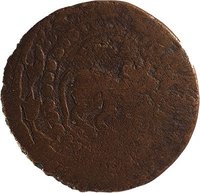
Obverse
Description:
The Twelve Imams of Shia Islam.
Inscription:
لا اله الا الله
محمد رسول الله
علی ولی الله
علی حسن حسین علی محمد جعفر موسی علی محمد علی حسن محمد
محمد رسول الله
علی ولی الله
علی حسن حسین علی محمد جعفر موسی علی محمد علی حسن محمد
Script: Arabic (thuluth)
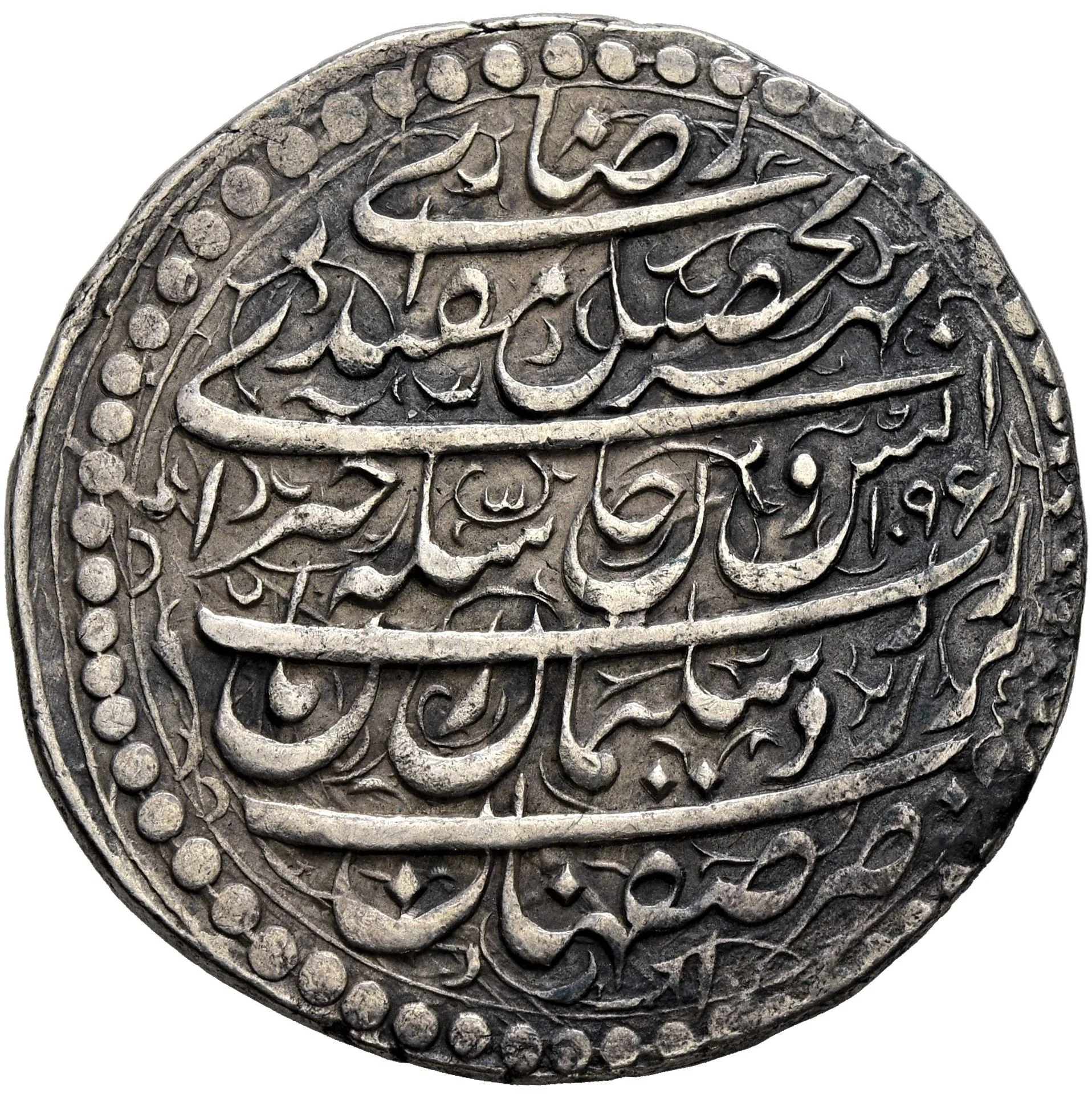
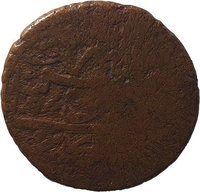
Reverse
Description:
A poem about minting coins and their dates.
Inscription:
بهر تحصیل رضای مقتدای انس و جان
سکه خیرات بر زر زد سلیمان جهان
ضرب اصفهان
۱۰۹۶
سکه خیرات بر زر زد سلیمان جهان
ضرب اصفهان
۱۰۹۶
Script: Persian (nastaliq)
Edge
Plain
Mints
| Name | Mark |
|---|---|
| Isfahan | اصفهان |
Mintings
| Year | Mint Mark | Mintage | Quality | Collection |
|---|---|---|---|---|
| 1676 | — | — | ||
| 1679 | — | — | ||
| 1685 | — | — |
Historical background
In 1676, Iran was under the rule of the Safavid dynasty, specifically Shah Sulayman I (r. 1666–1694). The currency system was based on precious metals, primarily silver, with the ʿabbāsi (a silver coin worth approximately 200 dinars) serving as the principal unit of account and medium for larger transactions. Smaller trade relied on copper coins, such as the pūl, which were minted locally and whose value fluctuated significantly against silver. This created a bimetallic system that was vulnerable to regional disparities and shortages.
The period was marked by significant monetary instability and economic decline. A critical issue was the chronic debasement of the silver coinage. The government, facing fiscal pressures from court extravagance, a large bureaucracy, and military expenses, repeatedly reduced the silver content of the ʿabbāsi to generate short-term revenue. This led to severe inflation, a loss of public confidence in the currency, and the hoarding of full-weight older coins, which only worsened the money supply problem. Furthermore, the inflow of New World silver via European trade routes, which had previously stimulated the economy, was becoming less reliable, exacerbating shortages.
This currency crisis reflected and contributed to broader structural weaknesses. The debasement disrupted long-distance trade and tax collection, as the real value of revenues eroded. Provincial governors often minted their own copper coins with little standardization, leading to a fragmented and inefficient monetary landscape. Consequently, by 1676, the Safavid currency system was caught in a destructive cycle of depreciation, inflation, and administrative neglect, which undermined both the economy and the central authority of Shah Sulayman's court.
The period was marked by significant monetary instability and economic decline. A critical issue was the chronic debasement of the silver coinage. The government, facing fiscal pressures from court extravagance, a large bureaucracy, and military expenses, repeatedly reduced the silver content of the ʿabbāsi to generate short-term revenue. This led to severe inflation, a loss of public confidence in the currency, and the hoarding of full-weight older coins, which only worsened the money supply problem. Furthermore, the inflow of New World silver via European trade routes, which had previously stimulated the economy, was becoming less reliable, exacerbating shortages.
This currency crisis reflected and contributed to broader structural weaknesses. The debasement disrupted long-distance trade and tax collection, as the real value of revenues eroded. Provincial governors often minted their own copper coins with little standardization, leading to a fragmented and inefficient monetary landscape. Consequently, by 1676, the Safavid currency system was caught in a destructive cycle of depreciation, inflation, and administrative neglect, which undermined both the economy and the central authority of Shah Sulayman's court.
✨ Legendary