

Iran
Context

Material
Diameter: 18 mm
Weight: 3.42 g
Silver weight: 3.42 g
Shape: Irregular round
Composition: Silver
Magnetic: No
Technique: Hammered
References
KM: #Click to copy to clipboard235
Numista: #335662
Value
Bullion value: $9.88
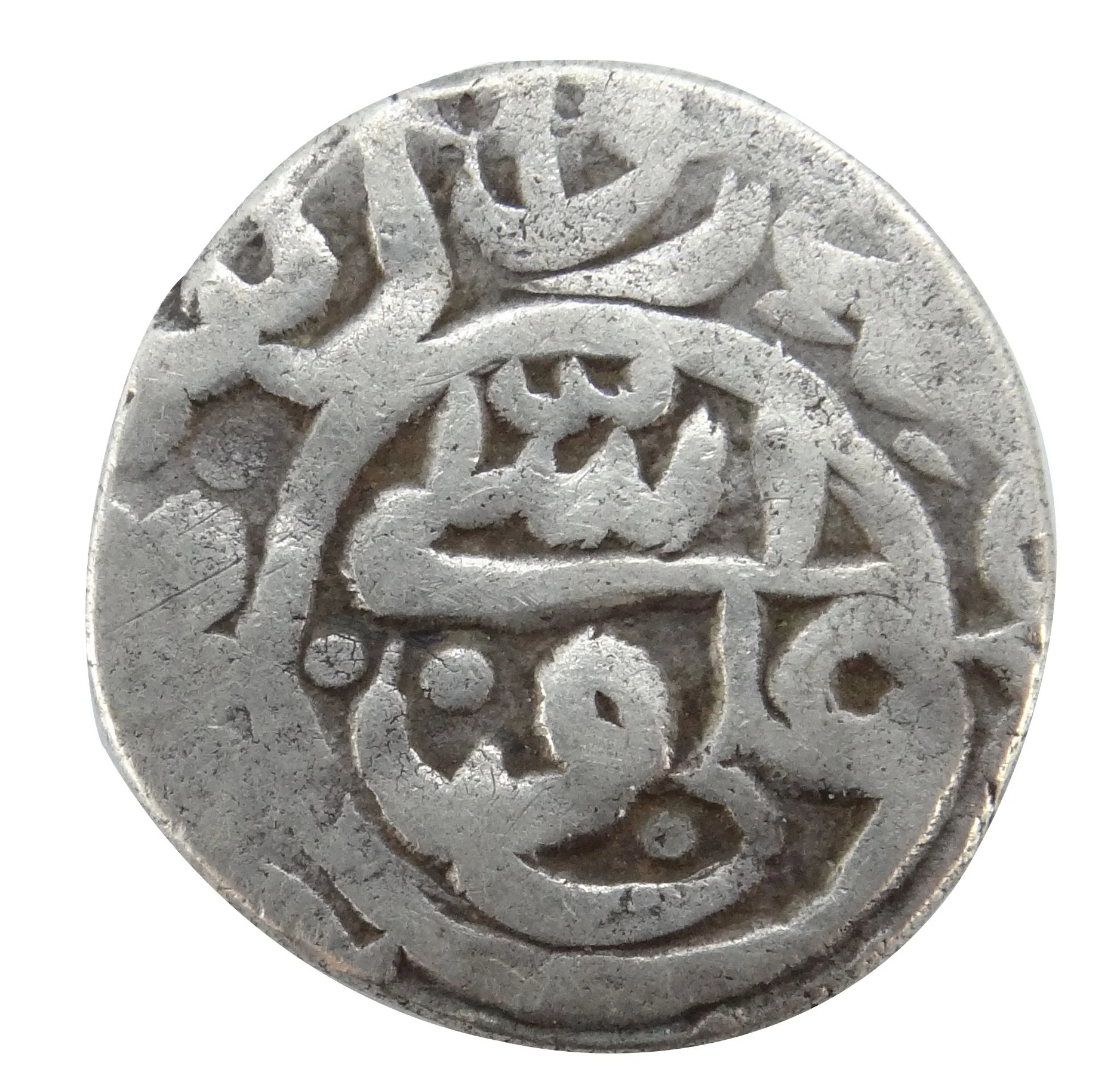
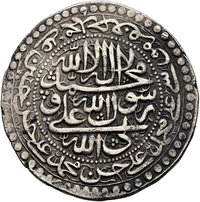
Obverse
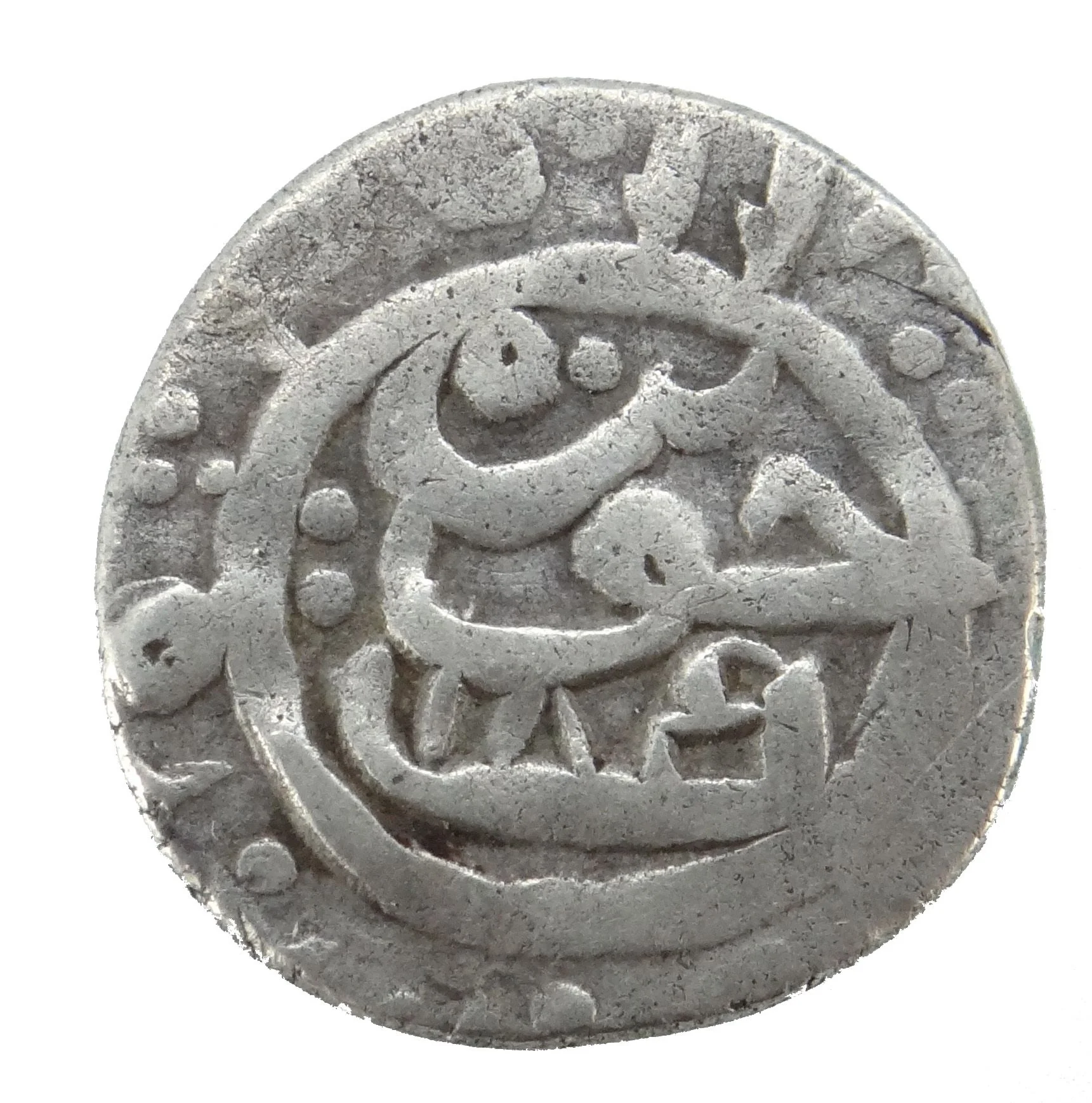
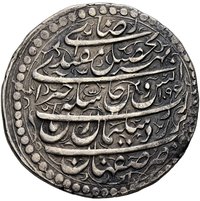
Reverse
Edge
Mintings
| Year | Mint Mark | Mintage | Quality | Collection |
|---|---|---|---|---|
| 1673 | — | — | ||
| — | — | — | ||
| 1674 | — | — | ||
| 1675 | — | — | ||
| 1676 | — | — | ||
| 1677 | — | — | ||
| 1678 | — | — | ||
| 1679 | — | — | ||
| 1680 | — | — | ||
| 1681 | — | — |
Historical background
In 1673, Iran was under the rule of the Safavid dynasty, specifically Shah Sulayman I (r. 1666–1694). The currency system was based on precious metals, primarily silver, with the principal unit being the abbasi, a silver coin named after Shah Abbas I. The monetary landscape was complex and fragmented, however, with various regional mints producing coins of inconsistent weight and purity. Alongside the abbasi, other units like the mahmudi and the shahi were in circulation, creating a multi-denominational system that often confused both domestic and foreign merchants.
The period was marked by significant economic strain, which directly impacted the currency. A major factor was the sharp decline in Iran's crucial silk trade with Europe due to competition and shifting routes, severely reducing the state's silver inflows. Furthermore, Shah Sulayman’s relatively detached governance and the increasing influence of the Shi'a clergy in administrative affairs led to fiscal mismanagement and corruption. This resulted in periodic debasement of the coinage—reducing the silver content—to meet state expenses, which eroded public trust in the currency and spurred inflation, particularly in urban markets.
Consequently, the currency situation in 1673 was one of instability and weakening confidence. The lack of uniform, high-quality coinage hampered commerce and tax collection, while the state's financial weaknesses prevented effective monetary reform. This deteriorating economic foundation contributed to the longer-term decline of Safavid central authority, as provincial leaders and merchants began to operate with greater autonomy, further fragmenting the economic unity of the empire.
The period was marked by significant economic strain, which directly impacted the currency. A major factor was the sharp decline in Iran's crucial silk trade with Europe due to competition and shifting routes, severely reducing the state's silver inflows. Furthermore, Shah Sulayman’s relatively detached governance and the increasing influence of the Shi'a clergy in administrative affairs led to fiscal mismanagement and corruption. This resulted in periodic debasement of the coinage—reducing the silver content—to meet state expenses, which eroded public trust in the currency and spurred inflation, particularly in urban markets.
Consequently, the currency situation in 1673 was one of instability and weakening confidence. The lack of uniform, high-quality coinage hampered commerce and tax collection, while the state's financial weaknesses prevented effective monetary reform. This deteriorating economic foundation contributed to the longer-term decline of Safavid central authority, as provincial leaders and merchants began to operate with greater autonomy, further fragmenting the economic unity of the empire.
✨ Legendary