

1 Falus – Iran
Iran
Context
Year: 1684
Islamic (Hijri) Year: 1095
Issuer: Iran 
Ruler: Suleiman I
Currency:
(1501—1798)
Demonetized: Yes
Material
Diameter: 21.5 mm
Weight: 6.45 g
Thickness: 2.4 mm
Shape: Irregular round
Composition: Copper
Magnetic: No
References
KM: #Click to copy to clipboard104
Numista: #351924
Obverse
Description:
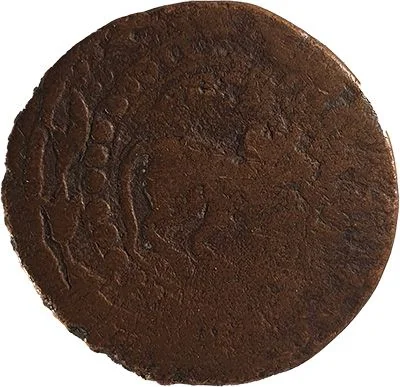
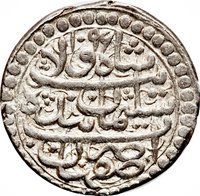
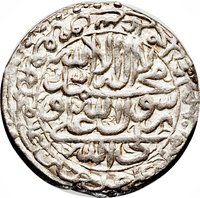
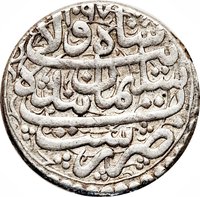
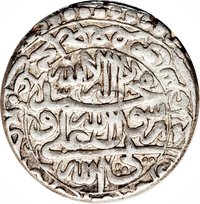
Brahman bull encircled by dots, ringed with a wreath.
Reverse
Description:
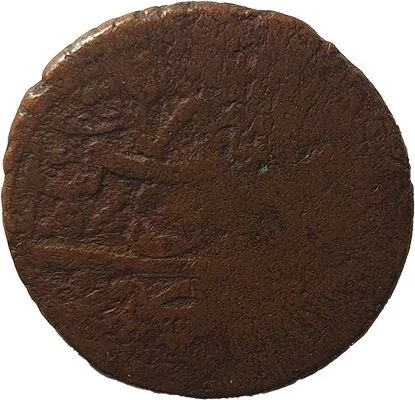
Mint, value, and date inscription.
Script: Persian (nastaliq)
Edge
Plain
Mintings
| Year | Mint Mark | Mintage | Quality | Collection |
|---|---|---|---|---|
| 1684 | — | — |
Historical background
In 1684, the Safavid Empire under Shah Sulayman I was grappling with a significant and protracted currency crisis, a direct consequence of the "Great Silver Famine" that afflicted the global economy in the 17th century. The empire's primary silver coin, the abbasi, was severely debased, containing less and less precious metal. This was driven by a catastrophic outflow of silver to pay for booming imports—particularly Indian textiles and spices—while exports like silk failed to balance the trade. Compounding this, European merchants, using powerful American-minted silver coins like the Spanish real, outbid Iranian merchants in the Asian markets, draining the Safavid realm of its bullion reserves.
The domestic response exacerbated the problem. Provincial governors and mint masters, often operating with considerable autonomy, frequently issued copper coinage (fulus) to facilitate local small trade. However, these coins were not reliably backed by the central treasury, leading to wild fluctuations in their value against the increasingly scarce silver abbasi. This created a chaotic multi-tiered monetary system where the government demanded tax payments in pure silver, while the populace conducted daily business in a depreciating mix of debased silver and unstable copper, causing widespread inflation and economic hardship.
Shah Sulayman’s court in Isfahan was aware of the crisis but proved ineffective in solving it. Attempts to reform the currency by introducing new coins, like the heavier naderi, failed to restore confidence or stem the bullion drain. The crisis eroded both state revenue and public trust, weakening the economic foundations of the empire. This monetary instability was a critical, though often overlooked, factor in the gradual weakening of central Safavid authority that would culminate in the dynasty's collapse just a few decades later in 1722.
The domestic response exacerbated the problem. Provincial governors and mint masters, often operating with considerable autonomy, frequently issued copper coinage (fulus) to facilitate local small trade. However, these coins were not reliably backed by the central treasury, leading to wild fluctuations in their value against the increasingly scarce silver abbasi. This created a chaotic multi-tiered monetary system where the government demanded tax payments in pure silver, while the populace conducted daily business in a depreciating mix of debased silver and unstable copper, causing widespread inflation and economic hardship.
Shah Sulayman’s court in Isfahan was aware of the crisis but proved ineffective in solving it. Attempts to reform the currency by introducing new coins, like the heavier naderi, failed to restore confidence or stem the bullion drain. The crisis eroded both state revenue and public trust, weakening the economic foundations of the empire. This monetary instability was a critical, though often overlooked, factor in the gradual weakening of central Safavid authority that would culminate in the dynasty's collapse just a few decades later in 1722.
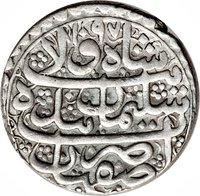
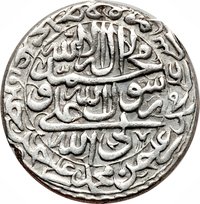
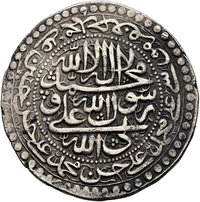
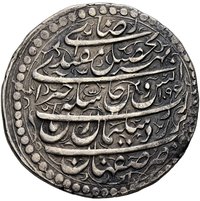
Series: 1684 Iran circulation coins
✨ Legendary