

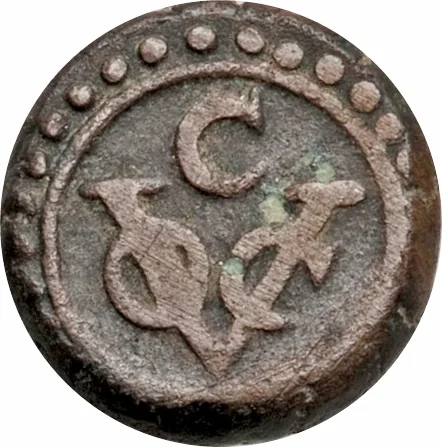
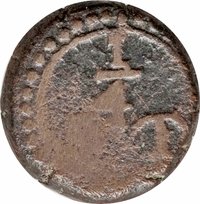
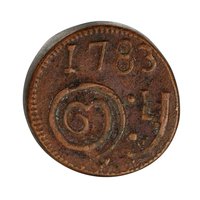
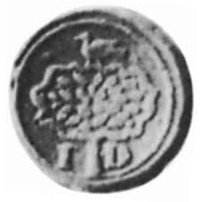
Obverse
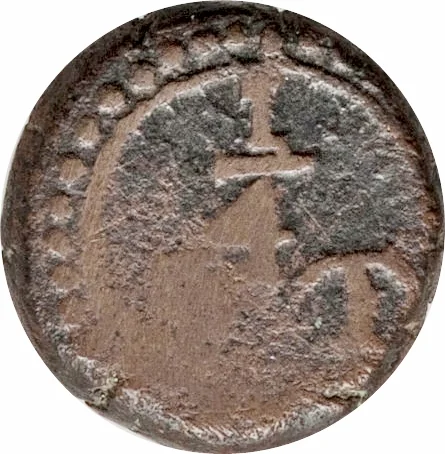
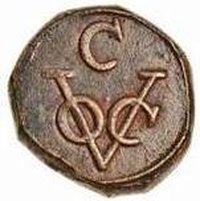
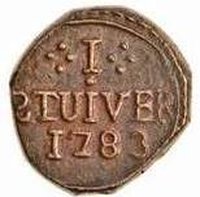
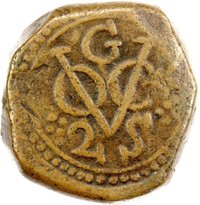
Reverse
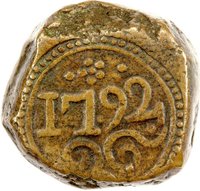
Edge
Plain
Mintings
| Year | Mint Mark | Mintage | Quality | Collection |
|---|---|---|---|---|
| 1783 | — | — |
Historical background
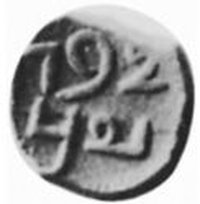
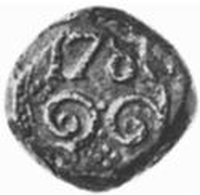
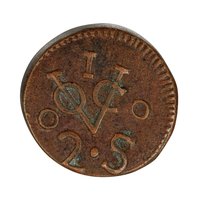
In 1783, Ceylon (modern Sri Lanka) was a colony divided between the Dutch, who controlled the maritime provinces, and the Kingdom of Kandy in the interior. The currency situation was complex and fragmented, reflecting this political division and the island's role in Indian Ocean trade. The Dutch East India Company (VOC) administered the coastal areas and officially used its own system based on the Dutch rijksdaalder and stuiver. However, in practice, a multitude of foreign coins circulated widely, including Portuguese tangas, various Indian gold pagodas and silver rupees, Spanish-American pieces of eight, and Dutch ducatons. This proliferation made commerce cumbersome, requiring constant reference to exchange manuals.
The VOC attempted to impose order by setting official exchange rates for these myriad coins, but their efforts were undermined by a critical shortage of small-denomination currency for everyday transactions. This led to the widespread practice of physically cutting larger silver coins, like rupees and ducatons, into fragments to make change. These "cut pieces" were weighed and accepted by tale in local markets, but their inconsistent value created confusion and facilitated fraud. Concurrently, the Company itself faced severe financial strain, often resorting to issuing low-quality copper bonken (token coins) and paper kreditiven, which were deeply unpopular and distrusted by the local population.
Thus, the monetary landscape of Ceylon in 1783 was one of disorder and instability. It was characterized by a dysfunctional dual system: an official but inadequate VOC currency scheme coexisting with a vibrant but chaotic unofficial market of cut and foreign specie. This instability hampered both the VOC's colonial administration and the island's broader economy, as trade and taxation were complicated by the lack of a reliable, standardized medium of exchange. The situation would remain largely unresolved until the British takeover of the Dutch territories in 1796 and their subsequent attempts to impose a unified currency.
The VOC attempted to impose order by setting official exchange rates for these myriad coins, but their efforts were undermined by a critical shortage of small-denomination currency for everyday transactions. This led to the widespread practice of physically cutting larger silver coins, like rupees and ducatons, into fragments to make change. These "cut pieces" were weighed and accepted by tale in local markets, but their inconsistent value created confusion and facilitated fraud. Concurrently, the Company itself faced severe financial strain, often resorting to issuing low-quality copper bonken (token coins) and paper kreditiven, which were deeply unpopular and distrusted by the local population.
Thus, the monetary landscape of Ceylon in 1783 was one of disorder and instability. It was characterized by a dysfunctional dual system: an official but inadequate VOC currency scheme coexisting with a vibrant but chaotic unofficial market of cut and foreign specie. This instability hampered both the VOC's colonial administration and the island's broader economy, as trade and taxation were complicated by the lack of a reliable, standardized medium of exchange. The situation would remain largely unresolved until the British takeover of the Dutch territories in 1796 and their subsequent attempts to impose a unified currency.
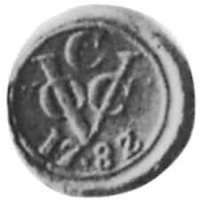
Series: 1783 Ceylon circulation coins
✨ Legendary