

1 mangir – Ottoman Empire
Add to wishlist
Turkey
Context
Year: 1688
Islamic (Hijri) Year:: 1099
Country: Turkey
Issuer: Ottoman Empire
Ruler: Suleiman II
Currency:
(1688—1844)
Demonetized: Yes
Material
References
KM: #
Numista: #407899
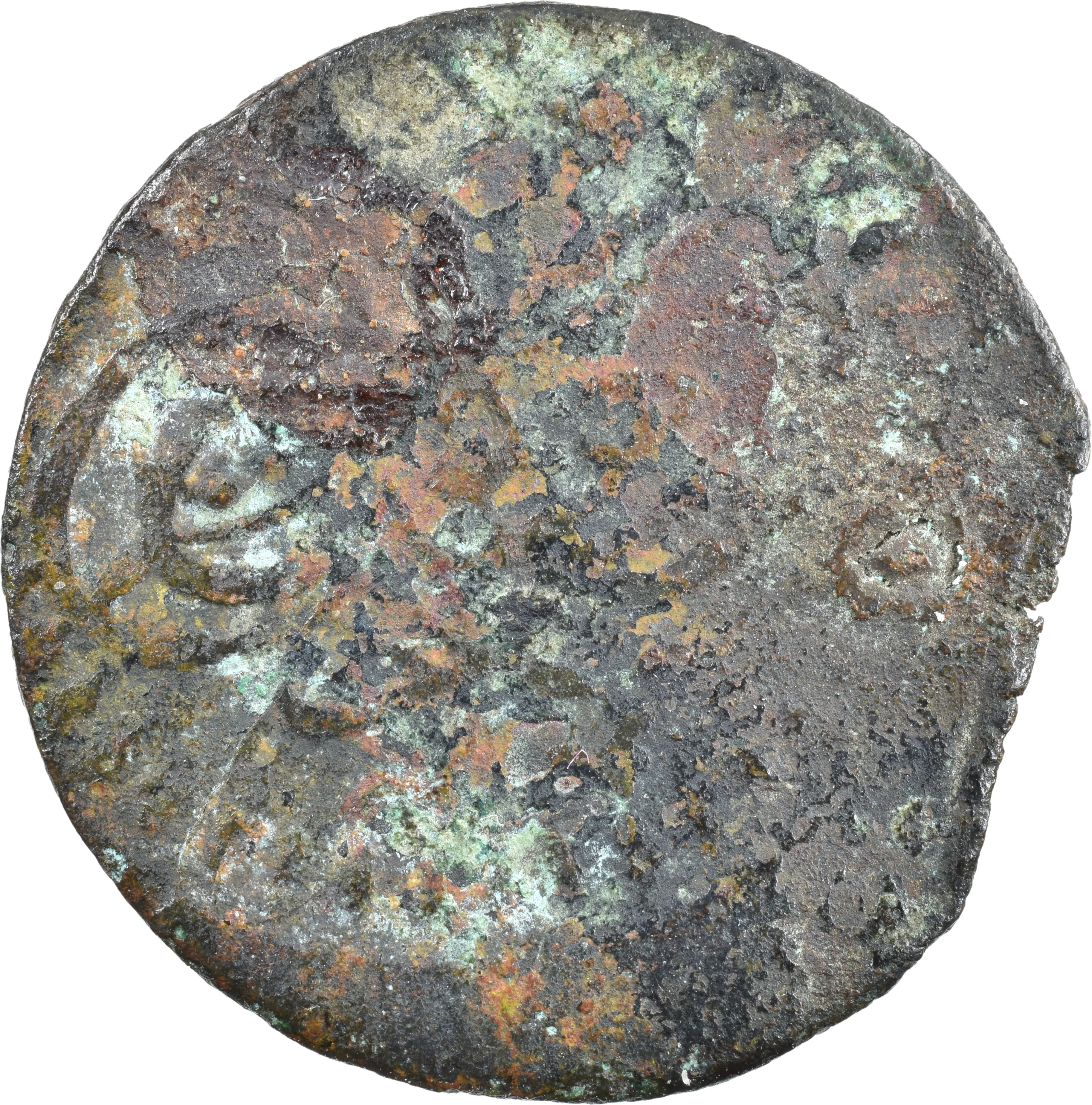
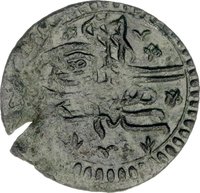
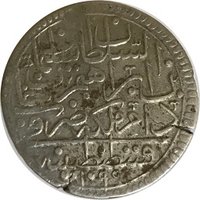
Obverse
Description:
Toughra
Script: Arabic
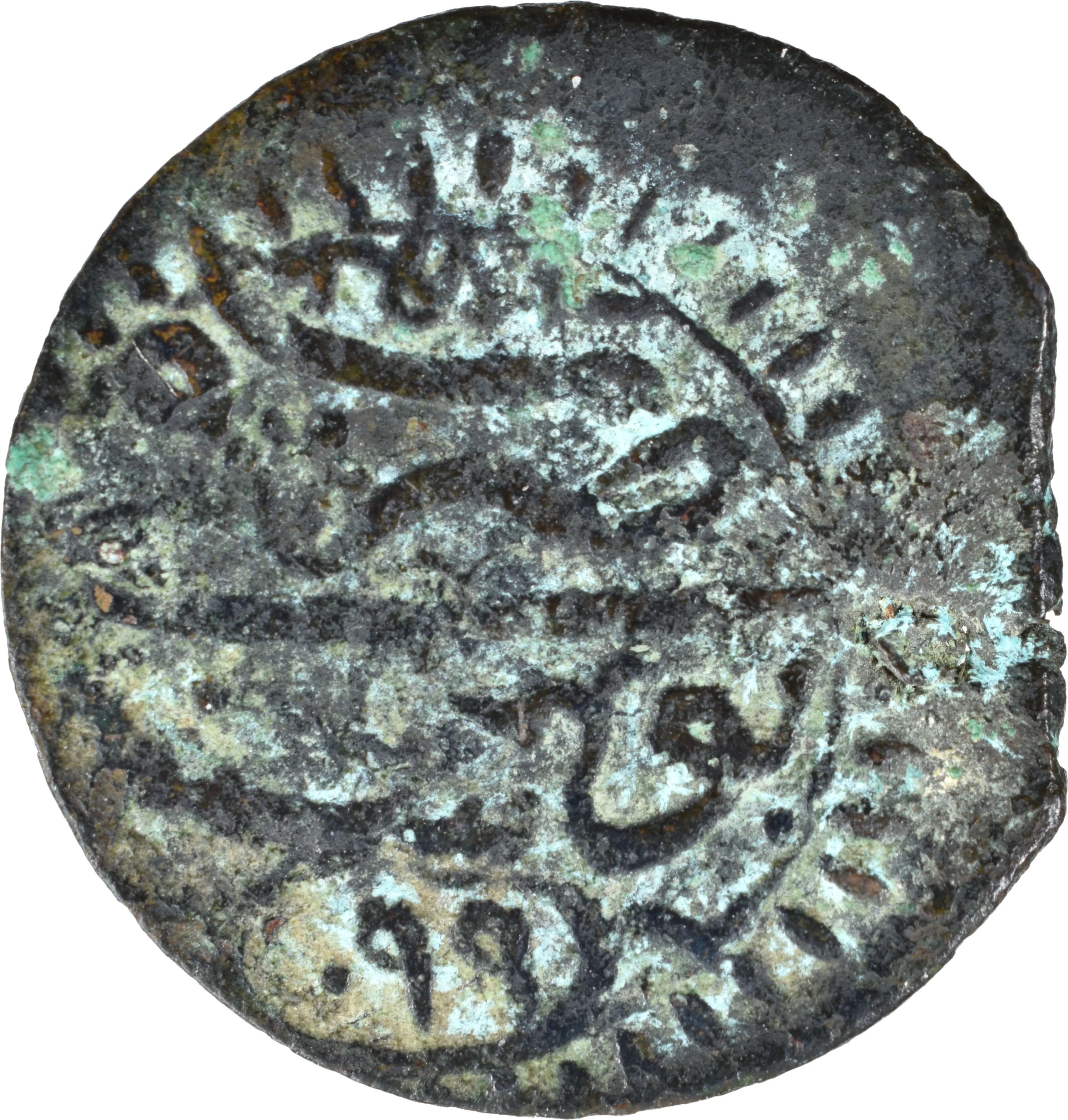
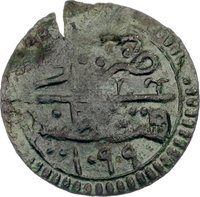
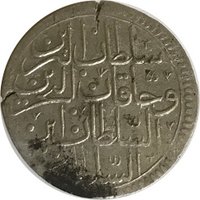
Reverse
Description:
Inscription with date and mint (Bosna).
Script: Arabic
Edge
Mintings
| Year | Mint Mark | Mintage | Quality | Collection |
|---|---|---|---|---|
| 1688 | — | — |
Historical background
In 1688, the Ottoman Empire was grappling with a severe and protracted currency crisis, primarily driven by the costs of continuous warfare. The Empire was deeply engaged in the War of the Holy League (1683-1699), a disastrous conflict following the failed Siege of Vienna. Military expenditures were draining the treasury, leading to chronic budget deficits. To meet these immediate costs, the state repeatedly resorted to debasement—reducing the silver content of the primary coin, the akçe. This practice, which had been ongoing for over a century, accelerated dramatically, causing the intrinsic value of the coinage to plummet and triggering rampant inflation.
The monetary system was consequently in a state of confusion and loss of confidence. The heavily debased akçe co-circulated with older, higher-quality coins, as well as a plethora of foreign currencies like the Dutch lion dollar and Spanish 8-reales, which were preferred for large transactions due to their stable silver content. This led to a complex and unstable exchange environment, harming both long-distance trade and local markets. Artisans and soldiers on fixed salaries were particularly hard-hit as their purchasing power evaporated, leading to social unrest and janissary discontent in Istanbul.
Sultan Süleyman II and his grand vizier, recognizing the dire straits, attempted fiscal and monetary reforms. These included efforts to stabilize the currency by minting a new, higher-standard kuruş (piastre) to restore trust, and to increase treasury revenue through more efficient tax collection. However, in the context of an ongoing, multi-front war, these measures were largely reactive and insufficient. The currency instability of 1688 was therefore a acute symptom of the Empire's broader structural and military challenges, marking a period of significant financial weakness during its long geopolitical decline.
The monetary system was consequently in a state of confusion and loss of confidence. The heavily debased akçe co-circulated with older, higher-quality coins, as well as a plethora of foreign currencies like the Dutch lion dollar and Spanish 8-reales, which were preferred for large transactions due to their stable silver content. This led to a complex and unstable exchange environment, harming both long-distance trade and local markets. Artisans and soldiers on fixed salaries were particularly hard-hit as their purchasing power evaporated, leading to social unrest and janissary discontent in Istanbul.
Sultan Süleyman II and his grand vizier, recognizing the dire straits, attempted fiscal and monetary reforms. These included efforts to stabilize the currency by minting a new, higher-standard kuruş (piastre) to restore trust, and to increase treasury revenue through more efficient tax collection. However, in the context of an ongoing, multi-front war, these measures were largely reactive and insufficient. The currency instability of 1688 was therefore a acute symptom of the Empire's broader structural and military challenges, marking a period of significant financial weakness during its long geopolitical decline.
✨ Legendary