

1 tallero – Republic of Ragusa
Add to wishlist
Croatia
Context
Years: 1751–1779
Country: Croatia
Issuer: Republic of Ragusa
Period:
(1294—1803)
Currency:
(1294—1803)
Subdivision: 1 tallero = 60 Grosetti
Demonetized: Yes
Material
References
KM: #
Numista: #39953
Value
Bullion value: $41.68
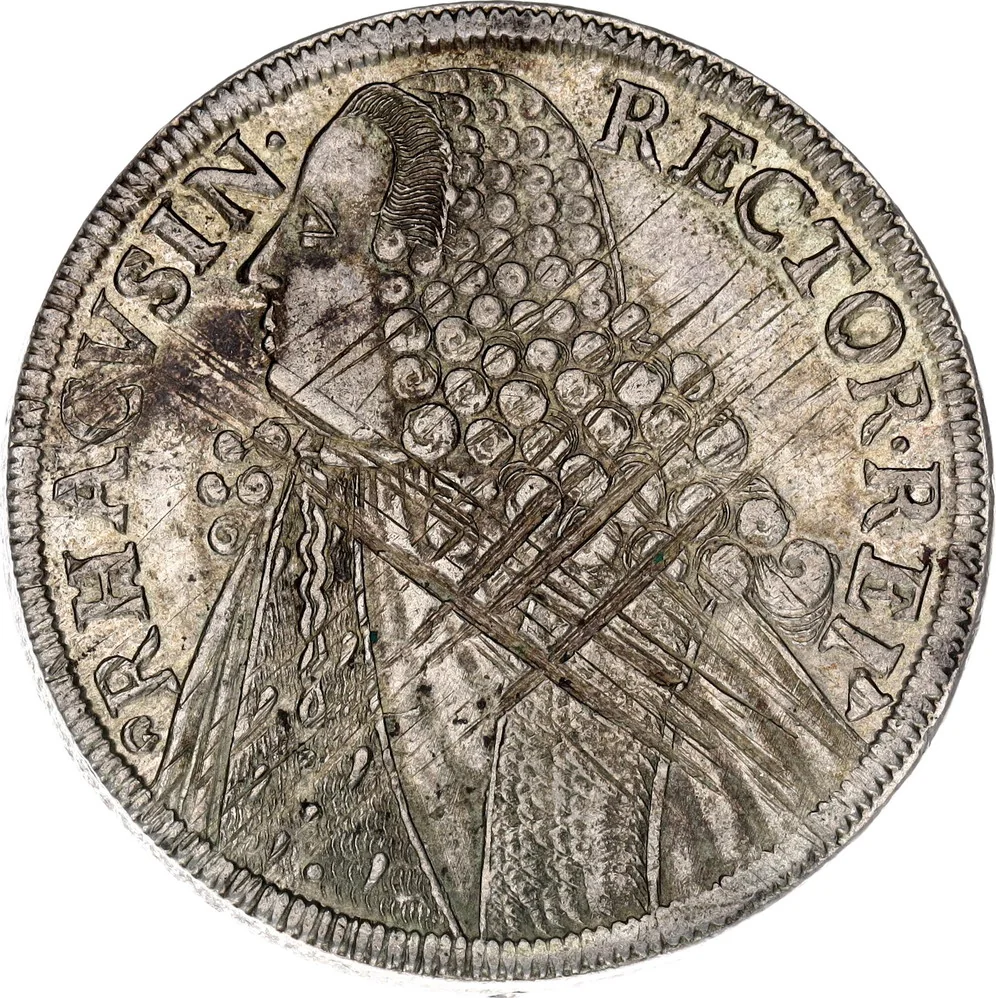
Obverse
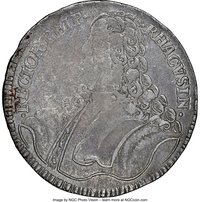
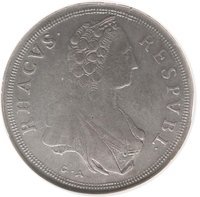
Description:
Younger left-facing bust with round head. Lettering surrounds.
Inscription:
RECTOR・REIP・・RHACVSIN・
Script: Latin
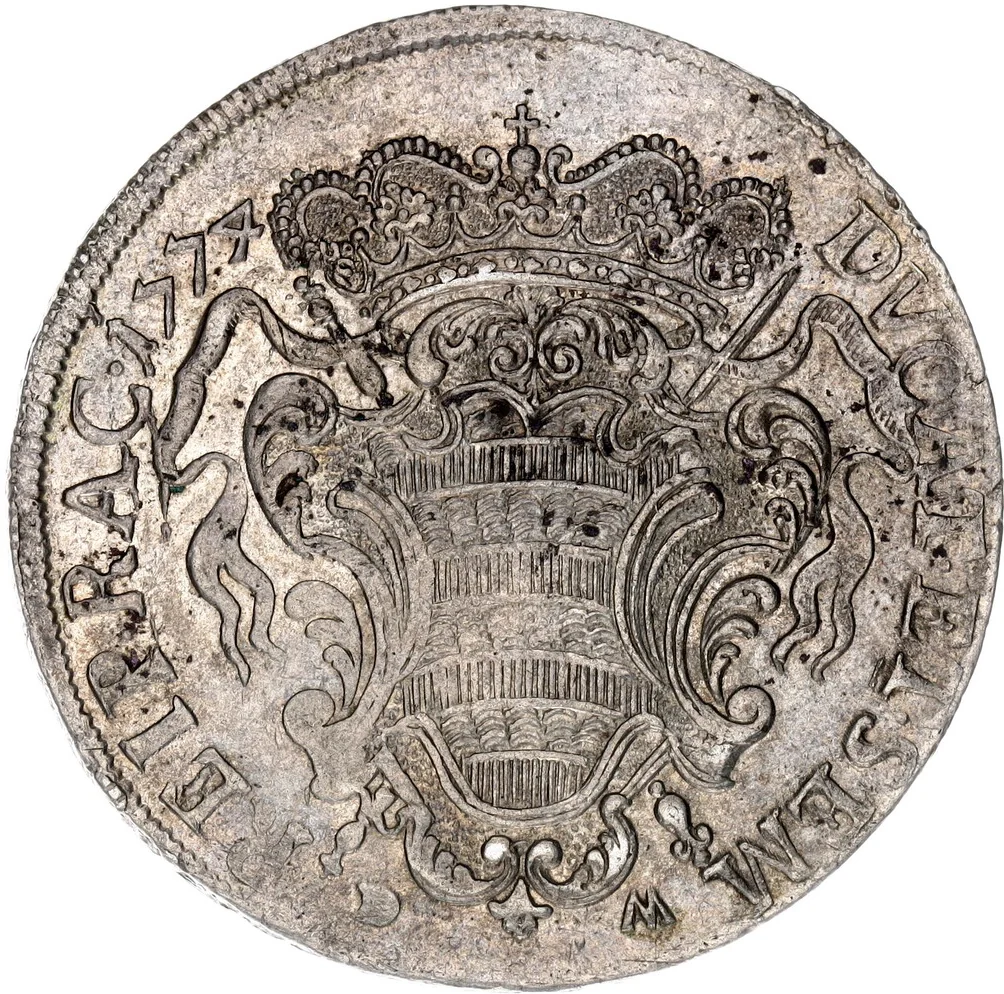
Reverse
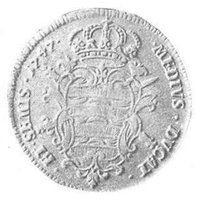
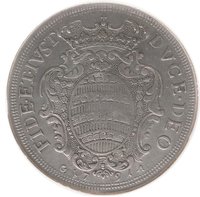
Description:
Crowned coat of arms with side ribbons and surrounding lettering.
Inscription:
DVCAT・ET・SEM・REIP・RHAC・1752
G.B.
G.B.
Script: Latin
Edge
Plain
Mintings
| Year | Mint Mark | Mintage | Quality | Collection |
|---|---|---|---|---|
| 1751 | — | — | ||
| 1752 | — | — | ||
| 1753 | — | — | ||
| 1754 | — | — | ||
| 1755 | — | — | ||
| 1756 | — | — | ||
| 1757 | — | — | ||
| 1758 | GB | — | ||
| 1759 | — | — | ||
| 1760 | — | — | ||
| 1761 | — | — | ||
| 1762 | — | — | ||
| 1763 | — | — | ||
| 1764 | — | — | ||
| 1765 | — | — | ||
| 1766 | — | — | ||
| 1767 | DM-DM | — | ||
| 1767 | DM-GA | — | ||
| 1767 | GB-DM | — | ||
| 1768 | DM-DM | — | ||
| 1768 | GA-DM | — | ||
| 1768 | GA-GA | — | ||
| 1768 | GB-DM | — | ||
| 1768 | GB-GA | — | ||
| 1769 | — | — | ||
| 1770 | DM-DM | — | ||
| 1770 | GA-DM | — | ||
| 1771 | GA-DM | — | ||
| 1771 | GA-GA | — | ||
| 1772 | GA-DM | — | ||
| 1773 | DM-DM | — | ||
| 1773 | GA-DM | — | ||
| 1774 | DM-DM | — | ||
| 1774 | GA-DM | — | ||
| 1775 | GA-GA | — | ||
| 1776 | GA-DM | — | ||
| 1776 | GA-GA | — | ||
| 1777 | GA-DM | — | ||
| 1778 | GA-DM | — | ||
| 1779 | GA-DM | — |
Historical background
In 1751, the Republic of Ragusa (modern-day Dubrovnik) operated within a complex and layered monetary system, a direct reflection of its unique geopolitical and economic position. As a small, neutral maritime republic, Ragusa’s commerce was deeply integrated into the trade networks of the Mediterranean and the Balkans. Consequently, its economy did not rely on a single, strong domestic coinage but was instead a marketplace for a multitude of foreign currencies. The most prominent of these was the Ottoman kuruş (piastre), due to Ragusa’s status as a tributary state of the Ottoman Empire, alongside a steady circulation of Venetian ducats and sequins, Austrian thalers, and Spanish pieces of eight. This multiplicity created a constant need for exchange and assay offices.
The official Ragusan mint had been inactive since the 17th century, leaving the republic without a significant ongoing coinage of its own. The state’s fiscal operations and larger trade contracts were often conducted using a notional monetary unit, the Ragusan perpera, which served as a stable accounting standard for bookkeeping and setting values amidst the fluctuating metallic content and exchange rates of the physical foreign coins in circulation. The actual physical currency in the hands of merchants and citizens was this heterogeneous mix of foreign silver and gold, with smaller transactions handled by billon and copper coins, often Venetian soldi or Ottoman para.
This situation presented ongoing challenges for the Ragusan Senate, which in 1751 was primarily focused on maintaining stability rather than monetary reform. The key concerns were guaranteeing the purity and weight of accepted coins to prevent fraud, managing exchange rates at the city’s Banchia (public bank), and ensuring sufficient liquidity for trade. The system, while cumbersome, was functionally adapted to Ragusa’s role as a commercial intermediary. It allowed the republic to facilitate trade between empires without the political and economic burden of maintaining a sovereign mint, though it left its economy perpetually sensitive to the monetary policies of its larger neighbours.
The official Ragusan mint had been inactive since the 17th century, leaving the republic without a significant ongoing coinage of its own. The state’s fiscal operations and larger trade contracts were often conducted using a notional monetary unit, the Ragusan perpera, which served as a stable accounting standard for bookkeeping and setting values amidst the fluctuating metallic content and exchange rates of the physical foreign coins in circulation. The actual physical currency in the hands of merchants and citizens was this heterogeneous mix of foreign silver and gold, with smaller transactions handled by billon and copper coins, often Venetian soldi or Ottoman para.
This situation presented ongoing challenges for the Ragusan Senate, which in 1751 was primarily focused on maintaining stability rather than monetary reform. The key concerns were guaranteeing the purity and weight of accepted coins to prevent fraud, managing exchange rates at the city’s Banchia (public bank), and ensuring sufficient liquidity for trade. The system, while cumbersome, was functionally adapted to Ragusa’s role as a commercial intermediary. It allowed the republic to facilitate trade between empires without the political and economic burden of maintaining a sovereign mint, though it left its economy perpetually sensitive to the monetary policies of its larger neighbours.
⭐ Somewhat Rare