

½ baiocco – Ferrara
Add to wishlist
Italy
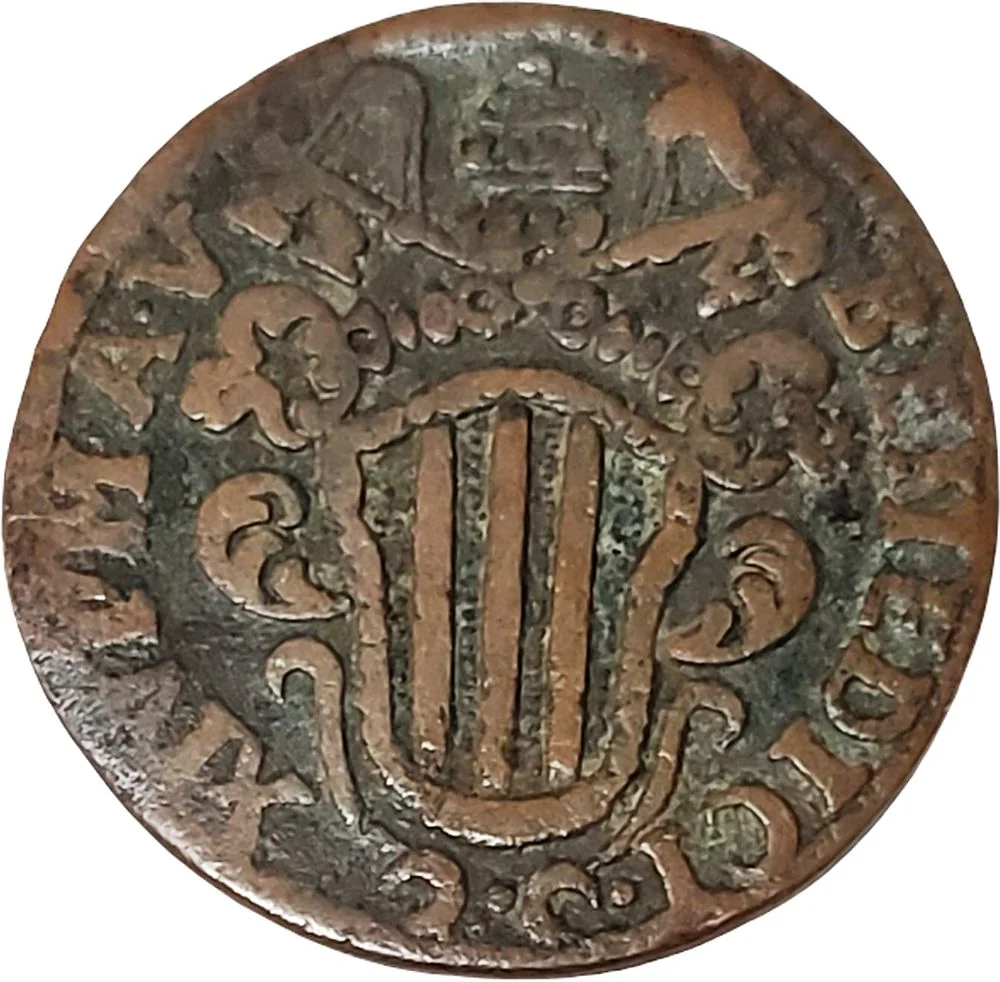
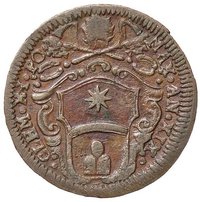
Obverse
Description:
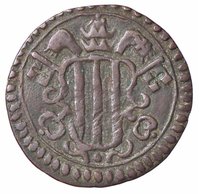
Coat of arms of Pope Benedict XIV.
Inscription:
BENEDICT XIV • P • M • A • V
Script: Latin
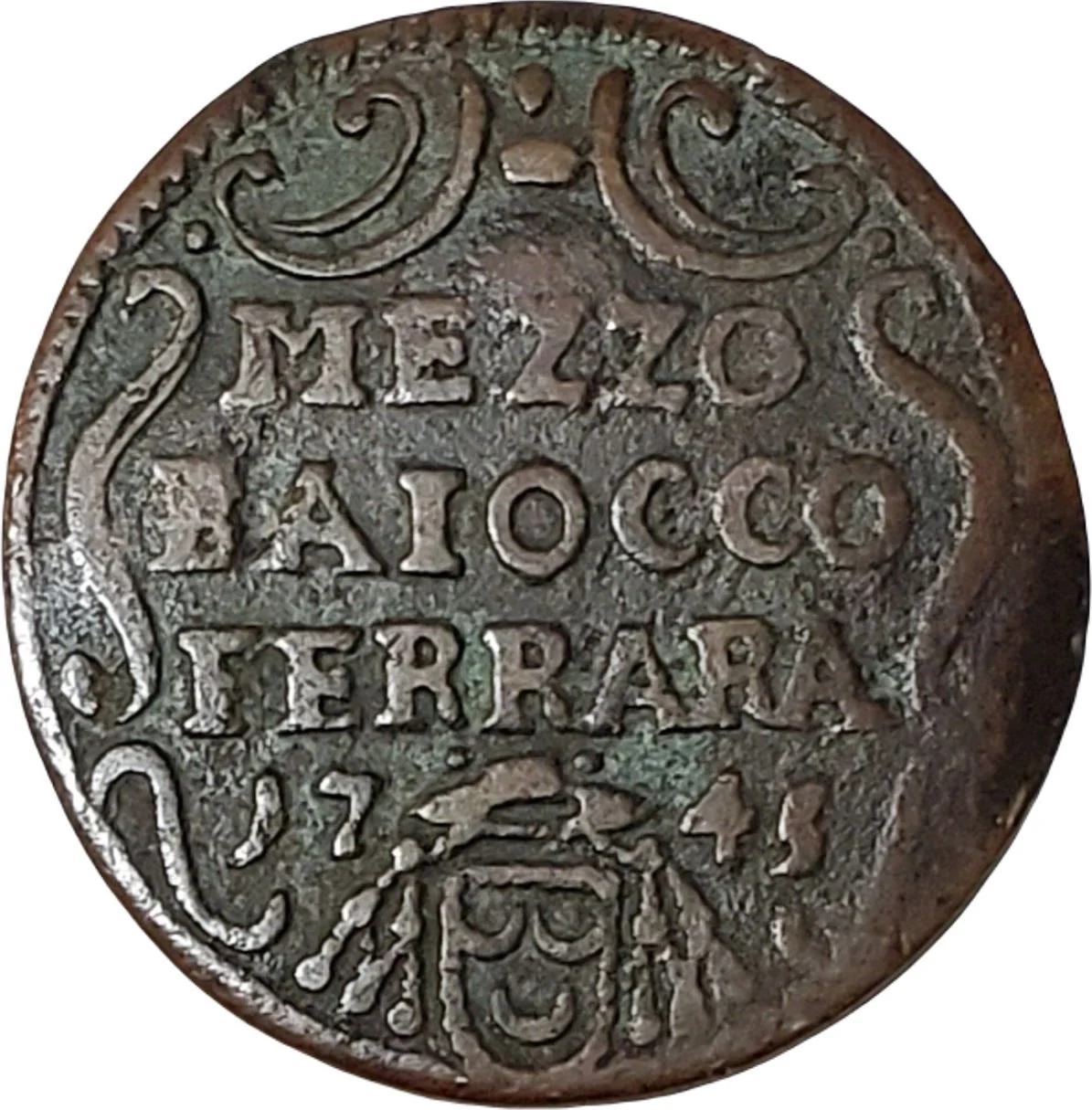
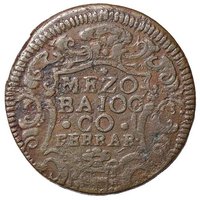
Reverse
Description:
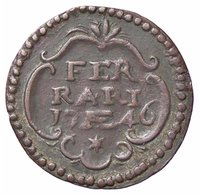
Three-line inscription with value and date flanking the Crescenzi arms.
Inscription:
MEZZO
BAIOCCO
FERRARA
17 45
BAIOCCO
FERRARA
17 45
Script: Latin
Edge
Plain
Categories
| Symbols> Coat of Arms |
| Symbol> Crown |
Mints
| Name | Mark |
|---|---|
| Ferrara | — |
Mintings
| Year | Mint Mark | Mintage | Quality | Collection |
|---|---|---|---|---|
| 1743 | — | — | ||
| 1744 | — | — | ||
| 1745 | — | — | ||
| 1746 | — | — | ||
| 1747 | — | — |
Historical background
In 1743, the currency situation in the Duchy of Ferrara was complex and strained, operating within the broader monetary framework of the Papal States, to which it had been annexed since 1598. The local economy relied on a confusing multiplicity of coins circulating simultaneously. These included papal scudi and giuli, older Este-era coins still in use, and a significant influx of foreign currencies from neighboring states like the Republic of Venice (ducats), the Duchy of Milan, and the Habsburg territories. This proliferation created chronic instability, as the value of these coins fluctuated based on their metallic content and the issuing authority's credibility, leading to frequent disputes in trade and taxation.
The core problem was a severe shortage of small-denomination coinage (moneta spicciola) for everyday transactions. This scarcity, a common issue in pre-modern economies, crippled local markets and disadvantaged the peasantry and urban poor, who were often paid in overvalued or debased coin. Meanwhile, larger silver and gold coins tended to be hoarded or exported, exacerbating the shortage. The papal monetary authorities struggled to control this fragmented system, and attempts at regulation from Rome often had limited practical effect on the ground in Ferrara, where merchants and money-changers set effective exchange rates.
Consequently, the year 1743 typified a period of monetary dysfunction. Transactions required constant recourse to money-changers, prices were unstable, and counterfeiting was a persistent issue. This environment hindered commerce and reflected the Duchy's diminished autonomy, as its financial health was subject to papal policy priorities that did not always align with local needs. The situation underscored the challenges of a pre-national currency union, where political integration did not guarantee monetary uniformity or stability.
The core problem was a severe shortage of small-denomination coinage (moneta spicciola) for everyday transactions. This scarcity, a common issue in pre-modern economies, crippled local markets and disadvantaged the peasantry and urban poor, who were often paid in overvalued or debased coin. Meanwhile, larger silver and gold coins tended to be hoarded or exported, exacerbating the shortage. The papal monetary authorities struggled to control this fragmented system, and attempts at regulation from Rome often had limited practical effect on the ground in Ferrara, where merchants and money-changers set effective exchange rates.
Consequently, the year 1743 typified a period of monetary dysfunction. Transactions required constant recourse to money-changers, prices were unstable, and counterfeiting was a persistent issue. This environment hindered commerce and reflected the Duchy's diminished autonomy, as its financial health was subject to papal policy priorities that did not always align with local needs. The situation underscored the challenges of a pre-national currency union, where political integration did not guarantee monetary uniformity or stability.
💎 Very Rare