

1 piastre – Comtat Venaissin
Add to wishlist
Vatican City
Context
Year: 1621
Country: Vatican City
Issuer: Comtat Venaissin
Ruler: Gregory XV
Currency:
Demonetized: Yes
Material
References
KM: #
Numista: #395235
Value
Bullion value: $81.74
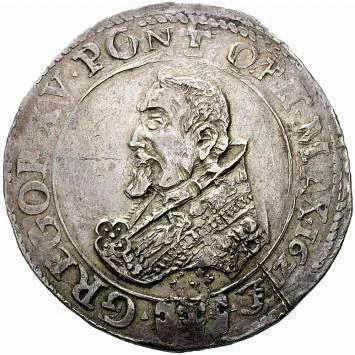
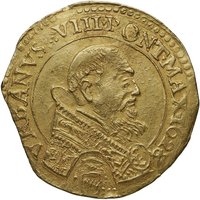
Obverse
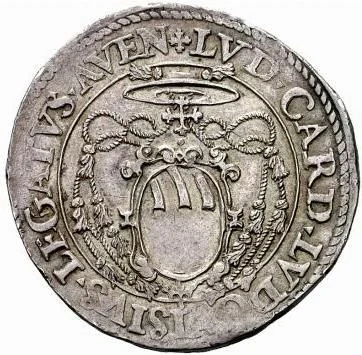
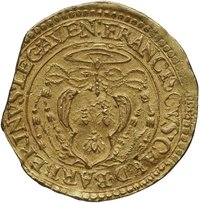
Reverse
Description:
Cardinal’s hat over crossed arms.
Inscription:
LVD CARD LVDOVISIVS LEGATVS AVEN
Script: Latin
Edge
Mints
| Name | Mark |
|---|---|
| Avignon | — |
Mintings
| Year | Mint Mark | Mintage | Quality | Collection |
|---|---|---|---|---|
| 1621 | — | — |
Historical background
In 1621, the currency situation in the Comtat Venaissin—a papal enclave within the Kingdom of France—was characterized by significant monetary complexity and instability. As a territory under the direct sovereignty of the Pope, the Comtat issued its own coinage, the liard and sol comtadin, but these circulated alongside a plethora of foreign currencies. Most prominent were the French livre tournois and various silver écus, but coins from neighboring Italian states and Spanish realms were also common due to regional trade. This created a chronically fragmented monetary landscape where exchange rates fluctuated, complicating daily commerce and tax collection.
The primary challenge stemmed from the enclave's economic dependence on France, while its political allegiance lay with Rome. The monetary policies of the French crown, which frequently manipulated the value of its own coinage, directly impacted the Comtat's economy. Debasements or revaluations in France would send shockwaves across the border, forcing papal authorities to constantly adjust the official valuation (cours) of foreign coins against the local currency. This period saw persistent inflationary pressures, as the intrinsic metal value of coins often diverged from their face value, leading to shortages of good coinage (Gresham's Law in practice) and public distrust.
Papal legates and the governing assembly, the Estates of the Comtat, struggled to manage this system. Their efforts to fix exchange rates by ordinance often proved futile against market forces and the influx of debased foreign coins. The situation in 1621 was not an isolated crisis but a persistent state of monetary tension, reflecting the broader economic vulnerabilities of a small, politically autonomous region embedded in a larger, dominant kingdom. This instability would persist throughout the century, undermining local economic planning and benefiting money-changers at the expense of ordinary citizens.
The primary challenge stemmed from the enclave's economic dependence on France, while its political allegiance lay with Rome. The monetary policies of the French crown, which frequently manipulated the value of its own coinage, directly impacted the Comtat's economy. Debasements or revaluations in France would send shockwaves across the border, forcing papal authorities to constantly adjust the official valuation (cours) of foreign coins against the local currency. This period saw persistent inflationary pressures, as the intrinsic metal value of coins often diverged from their face value, leading to shortages of good coinage (Gresham's Law in practice) and public distrust.
Papal legates and the governing assembly, the Estates of the Comtat, struggled to manage this system. Their efforts to fix exchange rates by ordinance often proved futile against market forces and the influx of debased foreign coins. The situation in 1621 was not an isolated crisis but a persistent state of monetary tension, reflecting the broader economic vulnerabilities of a small, politically autonomous region embedded in a larger, dominant kingdom. This instability would persist throughout the century, undermining local economic planning and benefiting money-changers at the expense of ordinary citizens.
✨ Legendary