

4 Gold Ecus – Comtat Venaissin
Vatican City
Context
Years: 1624–1628
Country: Vatican City 
Issuer: Comtat Venaissin
Ruler: Urban VIII
Currency:
Demonetized: Yes
References
KM: #Click to copy to clipboard46
Numista: #366794
Value
Bullion value: $2301.01
Obverse
Description:
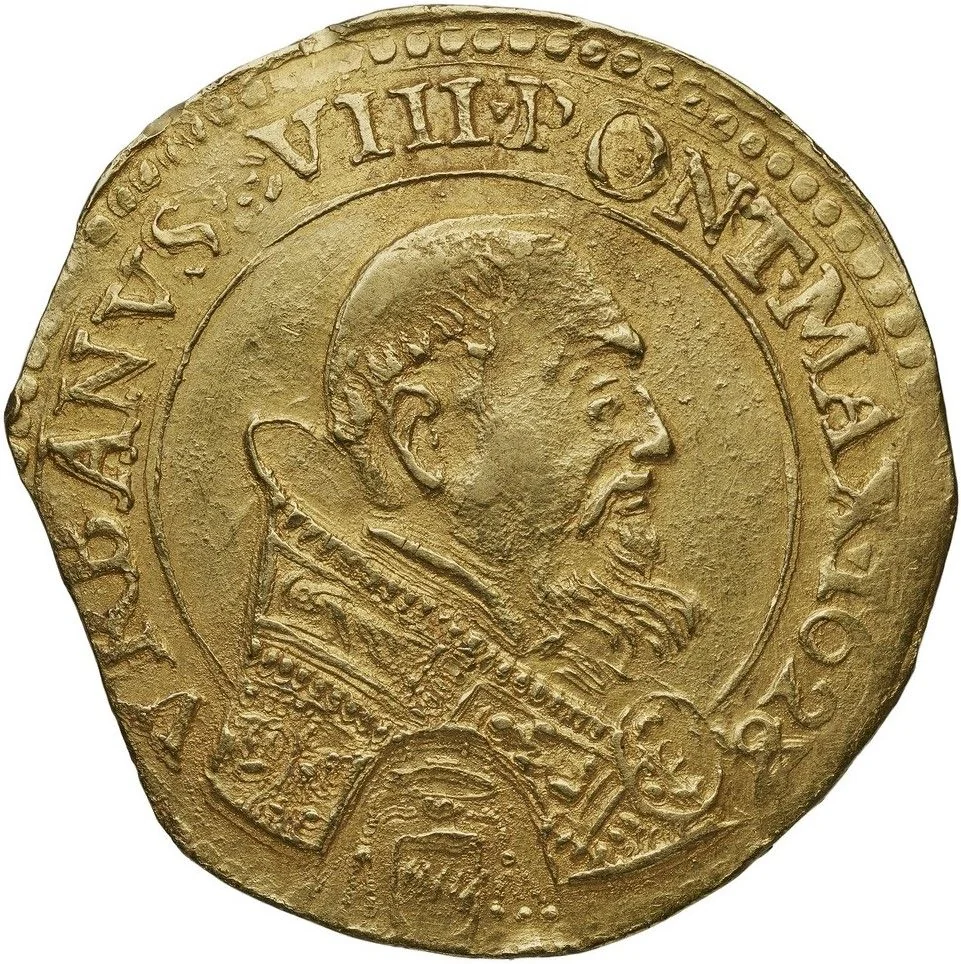
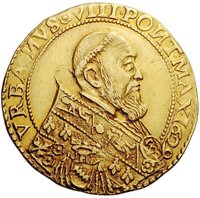
Urban VIII bust right; date in legend, Bardi shield below.
Inscription:
VRBANVS · VIII · PONT · MAX · 1628
Script: Latin
Reverse
Description:
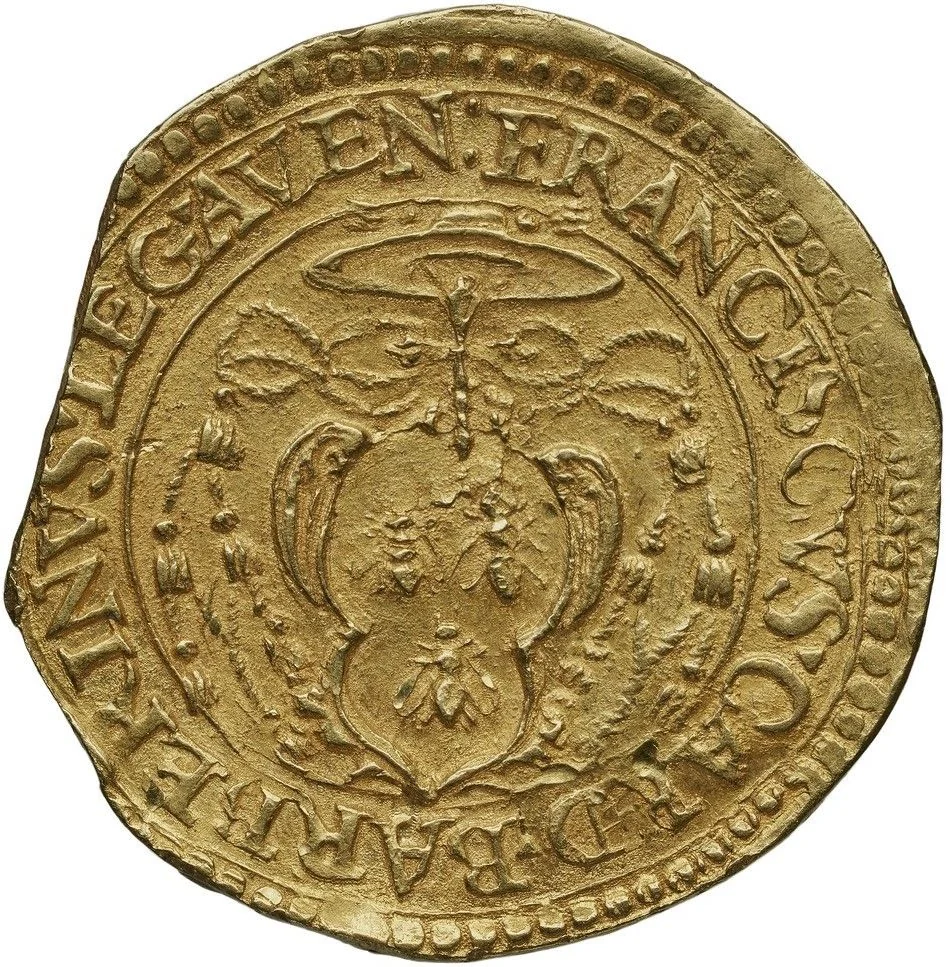
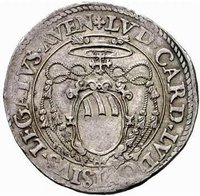
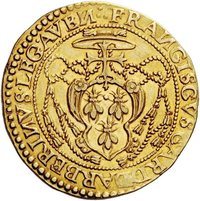
Arms of papal legate Francis Barberini.
Inscription:
FRANCISCVS · CARD · BARBERINVS · LEG · AVEN ·
Script: Latin
Edge
Mints
| Name | Mark |
|---|---|
| Avignon | — |
Mintings
| Year | Mint Mark | Mintage | Quality | Collection |
|---|---|---|---|---|
| 1624 | — | — | ||
| 1628 | — | — |
Historical background
In 1624, the currency circulating within the Comtat Venaissin—a papal enclave surrounded by the Kingdom of France—was a complex and often chaotic tapestry of foreign and local coinage. As a possession of the Holy See since 1274, the Comtat did not mint its own sovereign currency. Instead, economic life relied heavily on the influx of French livres, sous, and deniers, alongside various Italian coins from the Papal States and other neighboring regions like Savoy. This created a monetary environment where multiple denominations and standards of value coexisted, leading to frequent confusion, disputes over exchange rates, and vulnerability to debasement.
The primary challenge for merchants and authorities was the constant fluctuation in the value and silver content of these foreign coins, particularly the French currency, which was subject to the monetary policies of the Bourbon monarchy. The papal legate in Avignon, governing the Comtat, issued periodic tarifs (official exchange rate tables) in an attempt to fix values and stabilize commerce. These edicts specified the legal worth of dozens of different coins in terms of the local accounting unit, the livre avignonaise, but enforcement was difficult. Speculation and the circulation of clipped or counterfeit coins were persistent problems that eroded trust in everyday transactions.
This monetary instability reflected the Comtat's unique geopolitical position. Its economy was deeply intertwined with France, yet its political allegiance lay with Rome. Consequently, local economic stability was often at the mercy of decisions made in Paris or by papal financiers. The situation in 1624 was thus one of managed disorder, with authorities struggling to impose a coherent monetary system on a crossroads territory, a struggle that highlighted the enclave's fragile autonomy amidst the powerful and often competing financial currents of seventeenth-century Europe.
The primary challenge for merchants and authorities was the constant fluctuation in the value and silver content of these foreign coins, particularly the French currency, which was subject to the monetary policies of the Bourbon monarchy. The papal legate in Avignon, governing the Comtat, issued periodic tarifs (official exchange rate tables) in an attempt to fix values and stabilize commerce. These edicts specified the legal worth of dozens of different coins in terms of the local accounting unit, the livre avignonaise, but enforcement was difficult. Speculation and the circulation of clipped or counterfeit coins were persistent problems that eroded trust in everyday transactions.
This monetary instability reflected the Comtat's unique geopolitical position. Its economy was deeply intertwined with France, yet its political allegiance lay with Rome. Consequently, local economic stability was often at the mercy of decisions made in Paris or by papal financiers. The situation in 1624 was thus one of managed disorder, with authorities struggling to impose a coherent monetary system on a crossroads territory, a struggle that highlighted the enclave's fragile autonomy amidst the powerful and often competing financial currents of seventeenth-century Europe.
✨ Legendary