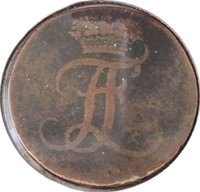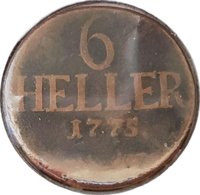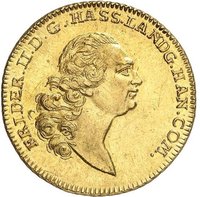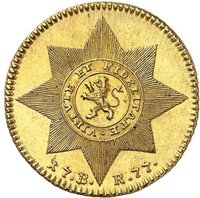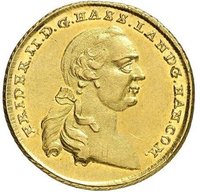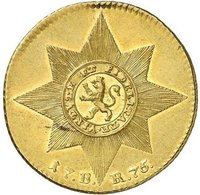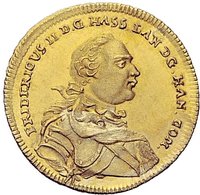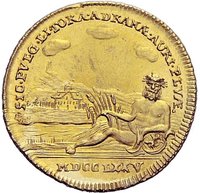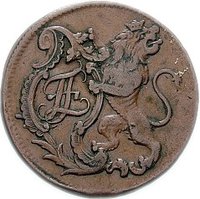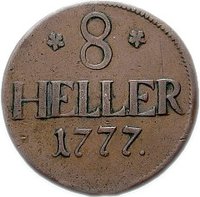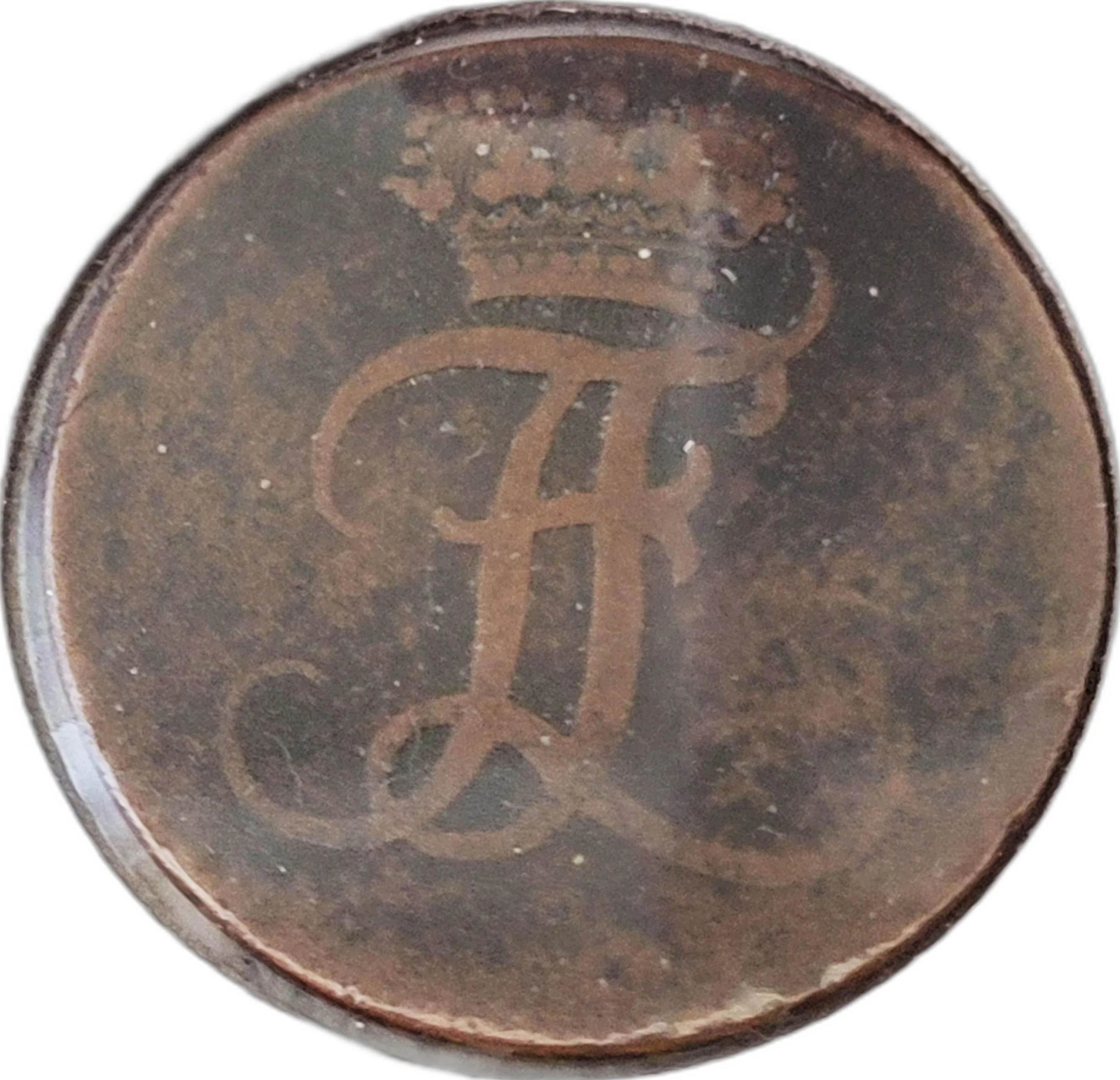
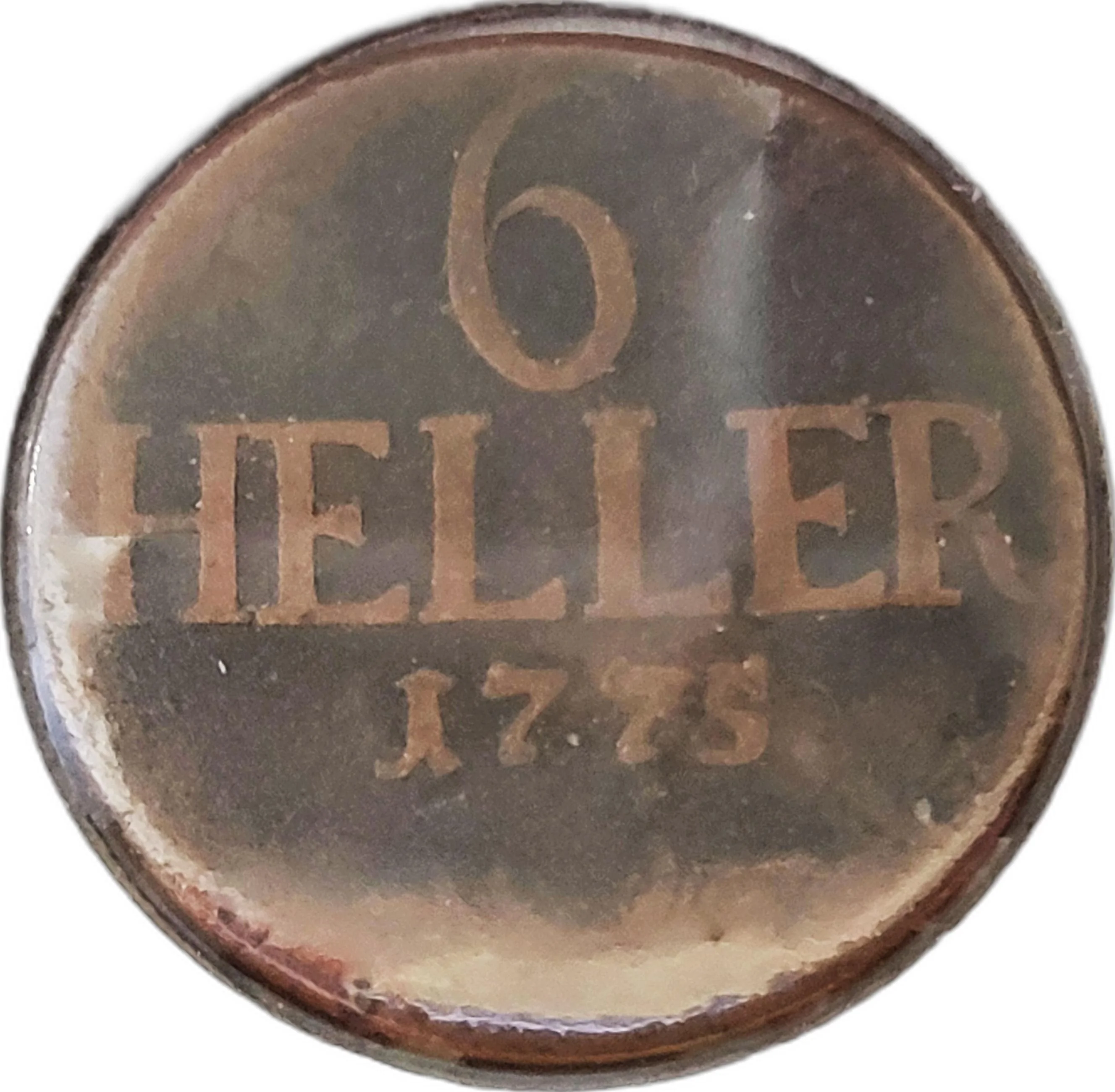
In 1775, the currency situation in the Landgraviate of Hesse-Cassel was complex and strained, a legacy of the Seven Years' War (1756-1763). The conflict had forced Landgrave Frederick II, like many German princes, to finance his military through heavy borrowing and the debasement of coinage. This resulted in a proliferation of depreciated
Landmünzen (local currency) circulating alongside more valuable
Reichsmünzen (Imperial coins), creating a chaotic multi-tiered system where the value of money depended heavily on its type and origin. The public's trust in the currency was low, and exchange rates were volatile, hampering both daily trade and economic recovery.
Despite this instability, Hesse-Cassel was uniquely positioned for a financial turnaround. The landgrave had famously rented out Hessian troops to Great Britain during the war, generating substantial subsidy payments in sound British sterling. Furthermore, a sophisticated state bank, the
Hessische Landesbank, had been established in 1765 to manage these foreign revenues and state debts. By 1775, these funds were being strategically used not only to pay down war debts but also to begin a systematic recall and recoinage of the debased currency, a process aimed at restoring monetary stability and princely credit.
Therefore, the year 1775 represents a pivotal moment of transition. The immediate postwar monetary chaos was still a daily reality for merchants and subjects dealing with confusing currencies. Yet, under the direction of Finance Minister Simon Moritz von Bethmann, the state was actively leveraging its substantial British war earnings to implement reforms. The situation was one of managed crisis, with the government working to impose order from the top down, setting the stage for Hesse-Cassel to become one of the most fiscally sound and financially powerful German states in the coming decades.