

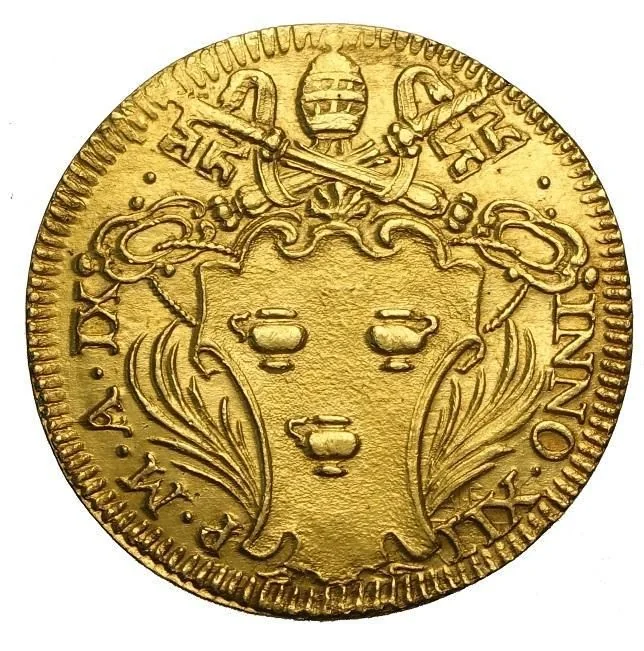
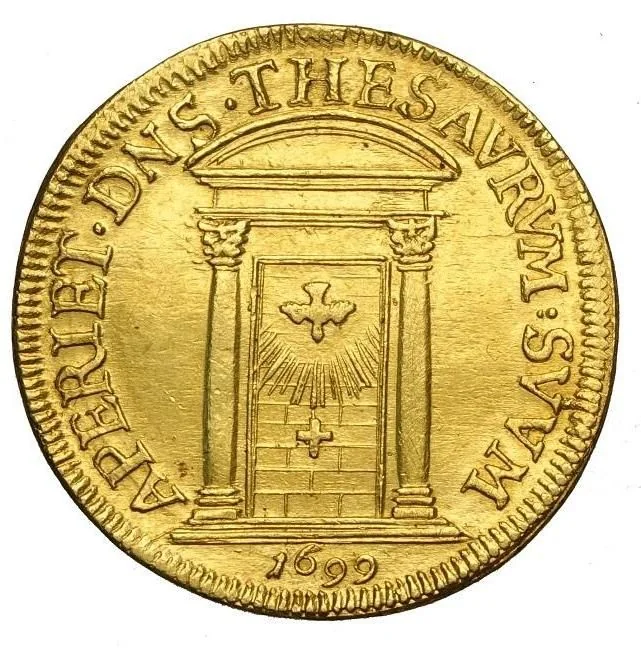
1 Doppia – Papal States
Circulating commemorative coins
Commemoration: Holy Door
Vatican City
Context
Year: 1699
Country: Vatican City 
Issuer: Papal States
Ruler: Innocent XII
Currency:
(1534—1835)
Demonetized: Yes
Material
References
KM: #Click to copy to clipboard616
Numista: #388752
Value
Bullion value: $1016.92
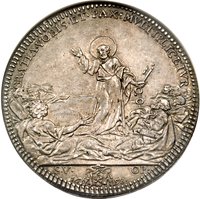
Obverse
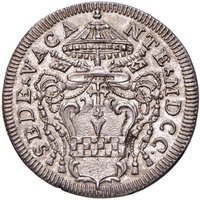
Reverse
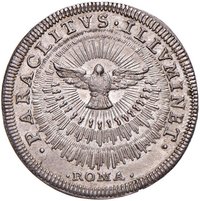
Edge
Mints
| Name | Mark |
|---|---|
| Rome | — |
Mintings
| Year | Mint Mark | Mintage | Quality | Collection |
|---|---|---|---|---|
| 1699 | — | — |
Historical background
In 1699, the Papal States under Pope Innocent XII faced a complex and deteriorating monetary situation, a legacy of prolonged fiscal mismanagement. The state’s finances were crippled by debts from earlier ambitious projects and wars, leading to a chronic shortage of specie (gold and silver coin). Successive popes, including Innocent XII’s predecessor Innocent XI, had attempted reforms, but the fundamental issue remained: the treasury was empty, and the government relied heavily on debasement—reducing the precious metal content in coins—to generate short-term revenue. This practice had created a chaotic circulation of coins of varying intrinsic values, undermining both domestic trade and the state’s creditworthiness.
The currency system itself was a fragmented mix. The standard unit was the scudo, which existed in both silver (scudo di moneta) and gold (scudo d’oro) forms, but their values fluctuated wildly against each other. Alongside these were smaller copper-based coins, like the baiocco and quattrino, essential for everyday transactions but frequently debased. A significant problem was the circulation of foreign coins, particularly Spanish pieces of eight and French écus, which often held more trust in the market than the locally minted currency. This monetary confusion discouraged commerce, facilitated fraud, and made tax collection inefficient, as the government struggled to define the value of its own receipts.
Pope Innocent XII, reigning from 1691 to 1700, was known for his austerity and moral reform, and he made earnest efforts to address the crisis. He continued his predecessor's work by cutting court expenses and fighting nepotism to reduce fiscal pressure. While he did not enact a sweeping monetary reform in 1699 specifically, his pontificate was part of a cautious transitional period aimed at stabilizing papal finances to create a foundation for future recovery. The situation demanded a comprehensive recoinage and standardization, a task that would only be partially achieved in the following decades, leaving the Papal States' economy vulnerable and its currency a symbol of administrative weakness.
The currency system itself was a fragmented mix. The standard unit was the scudo, which existed in both silver (scudo di moneta) and gold (scudo d’oro) forms, but their values fluctuated wildly against each other. Alongside these were smaller copper-based coins, like the baiocco and quattrino, essential for everyday transactions but frequently debased. A significant problem was the circulation of foreign coins, particularly Spanish pieces of eight and French écus, which often held more trust in the market than the locally minted currency. This monetary confusion discouraged commerce, facilitated fraud, and made tax collection inefficient, as the government struggled to define the value of its own receipts.
Pope Innocent XII, reigning from 1691 to 1700, was known for his austerity and moral reform, and he made earnest efforts to address the crisis. He continued his predecessor's work by cutting court expenses and fighting nepotism to reduce fiscal pressure. While he did not enact a sweeping monetary reform in 1699 specifically, his pontificate was part of a cautious transitional period aimed at stabilizing papal finances to create a foundation for future recovery. The situation demanded a comprehensive recoinage and standardization, a task that would only be partially achieved in the following decades, leaving the Papal States' economy vulnerable and its currency a symbol of administrative weakness.
✨ Legendary