

1 Piastra – Papal States
Circulating commemorative coins
Commemoration: Peace of Ryswick
Vatican City
Context
Year: 1698
Country: Vatican City 
Issuer: Papal States
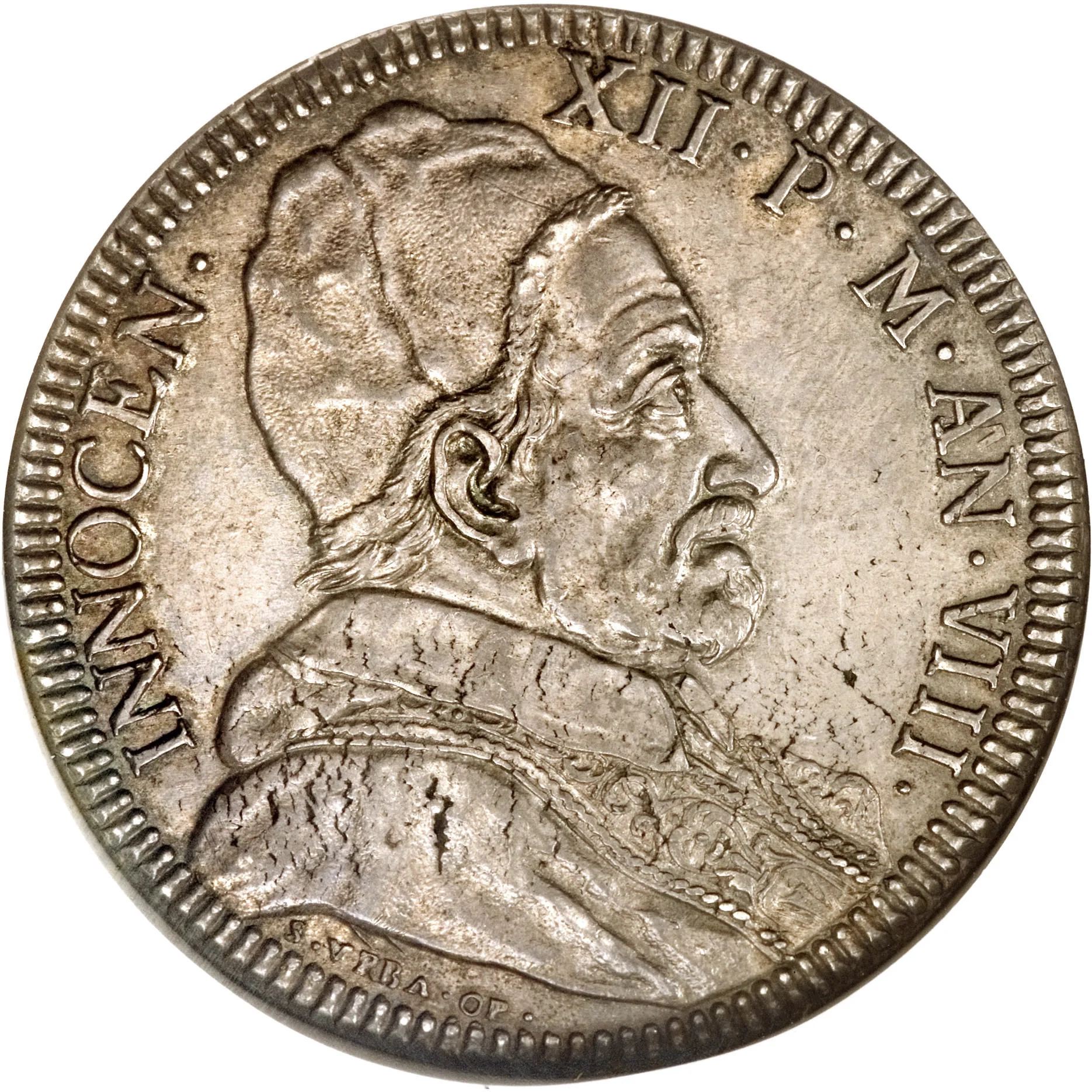
Ruler: Innocent XII
Currency:
(1534—1835)
Demonetized: Yes
References
KM: #Click to copy to clipboard608
Numista: #29391
Value
Bullion value: $82.82
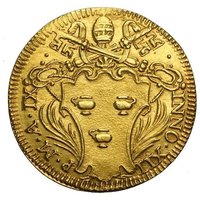
Obverse
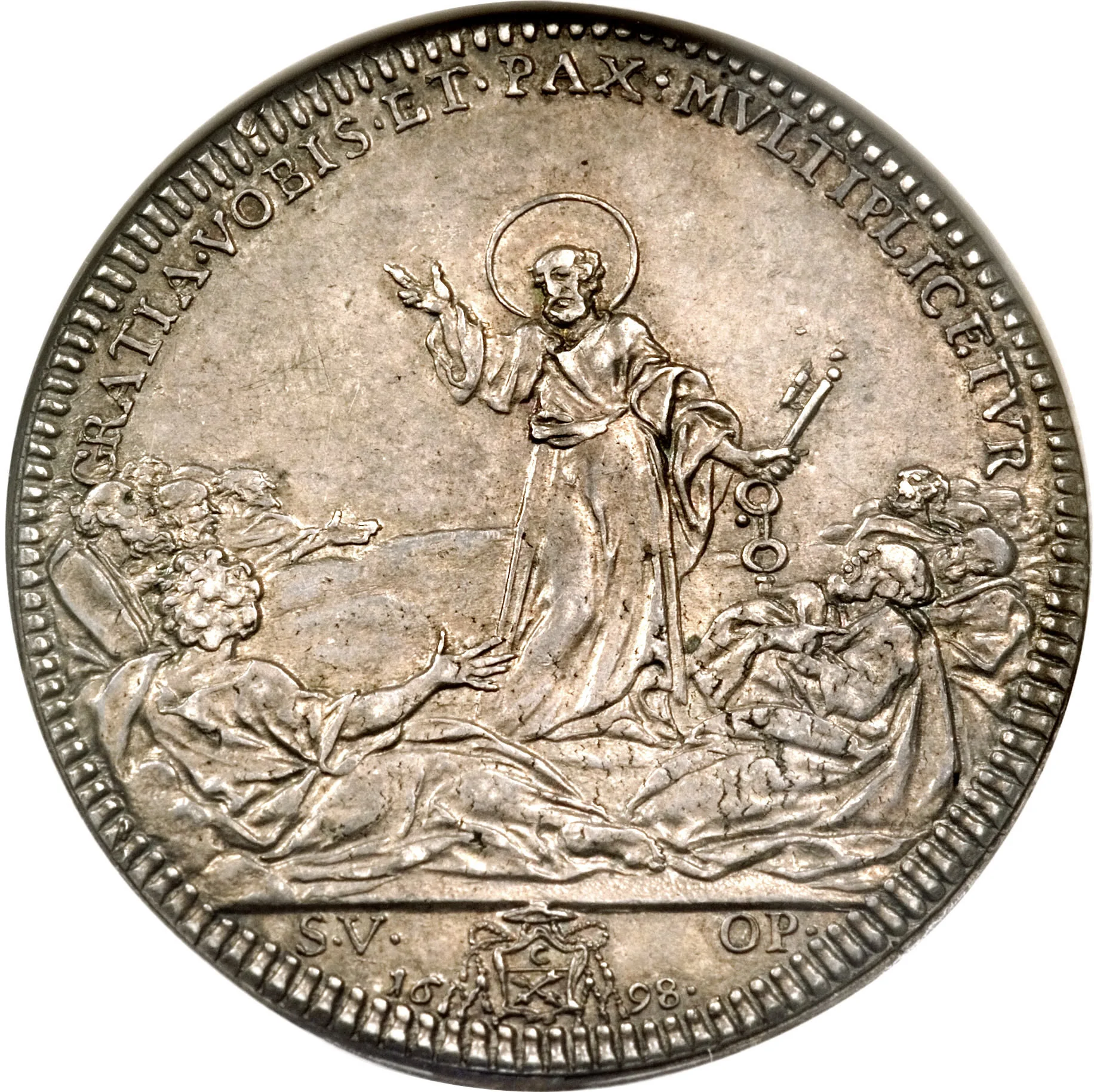
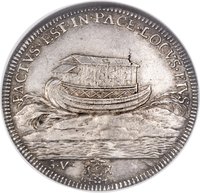
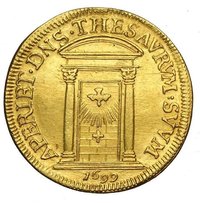
Reverse
Description:
Jesus with keys, speaking to his disciples.
Inscription:
GRATIA·VOBIS·ET·PAX·MVLTIPLICETVR
S·V· OP·
16 98·
S·V· OP·
16 98·
Script: Latin
Edge
Mints
| Name | Mark |
|---|---|
| Rome | — |
Mintings
| Year | Mint Mark | Mintage | Quality | Collection |
|---|---|---|---|---|
| 1698 | — | — |
Historical background
In 1698, the Papal States under Pope Innocent XII faced a complex and debased monetary system, a legacy of fiscal crises spanning the previous century. Successive popes had resorted to reducing the precious metal content in coins to fund wars, building projects, and administrative costs, leading to a proliferation of low-value copper and billon (base silver) coins in daily circulation. This debasement created a severe disconnect between the official face value of coins and their intrinsic metal worth, undermining both domestic trade and international commerce. The situation was further complicated by the circulation of foreign coins, particularly high-quality silver pieces from Spain and the Italian states, which were often hoarded or exported, leaving the Papal States with a degraded currency.
The monetary chaos had tangible economic consequences. Price inflation was a persistent problem, harming the poor and fixed-income earners, while creating uncertainty for merchants. The existence of multiple coin types with fluctuating values also facilitated fraud and counterfeiting. Furthermore, the Papal government struggled to collect taxes effectively, as revenues collected in debased coinage held less real value. This created a vicious cycle where fiscal shortfalls tempted the authorities toward further currency manipulation, eroding public trust in the monetary system.
While Innocent XII (pope from 1691 to 1700) was known for his austerity and moral reforms aimed at curbing nepotism and corruption, comprehensive monetary reform proved elusive during his pontificate. The technical and economic challenges of recalling and recoining the entire currency were immense. Therefore, in 1698, the system remained largely unreformed, characterized by a confusing mix of overvalued papal coins and more trusted foreign specie. The fundamental instability would persist until more systematic, albeit still problematic, reforms were attempted under his successor, Pope Clement XI, in the early 18th century.
The monetary chaos had tangible economic consequences. Price inflation was a persistent problem, harming the poor and fixed-income earners, while creating uncertainty for merchants. The existence of multiple coin types with fluctuating values also facilitated fraud and counterfeiting. Furthermore, the Papal government struggled to collect taxes effectively, as revenues collected in debased coinage held less real value. This created a vicious cycle where fiscal shortfalls tempted the authorities toward further currency manipulation, eroding public trust in the monetary system.
While Innocent XII (pope from 1691 to 1700) was known for his austerity and moral reforms aimed at curbing nepotism and corruption, comprehensive monetary reform proved elusive during his pontificate. The technical and economic challenges of recalling and recoining the entire currency were immense. Therefore, in 1698, the system remained largely unreformed, characterized by a confusing mix of overvalued papal coins and more trusted foreign specie. The fundamental instability would persist until more systematic, albeit still problematic, reforms were attempted under his successor, Pope Clement XI, in the early 18th century.
✨ Legendary