

1 Quattrino – Bologna
Italy
Context
Years: 1677–1689
Country: Italy 
Issuer: Bologna
Ruler: Innocent XI
Currency:
(1534—1835)
Demonetized: Yes
Material
Diameter: 20 mm
Weight: 1.93 g
Thickness: 1 mm
Shape: Irregular round
Composition: Copper
Magnetic: No
Technique: Hammered
Alignment: Coin alignment
flip
References
KM: #Click to copy to clipboard90
Numista: #379198
Obverse
Description:
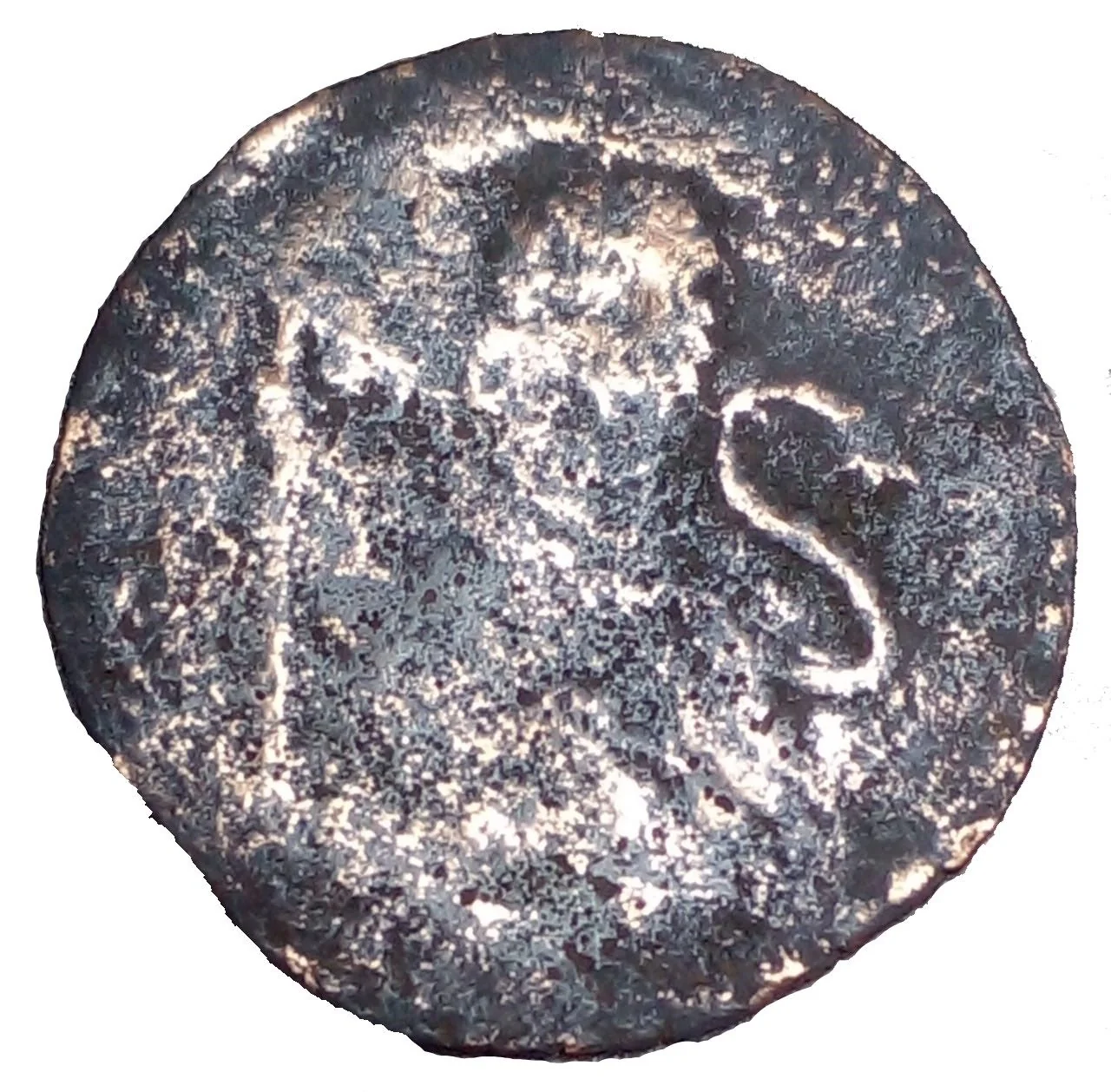
Lion rampant holding banner.
Reverse
Edge
Plain
Mints
| Name | Mark |
|---|---|
| Bologna | — |
Mintings
| Year | Mint Mark | Mintage | Quality | Collection |
|---|---|---|---|---|
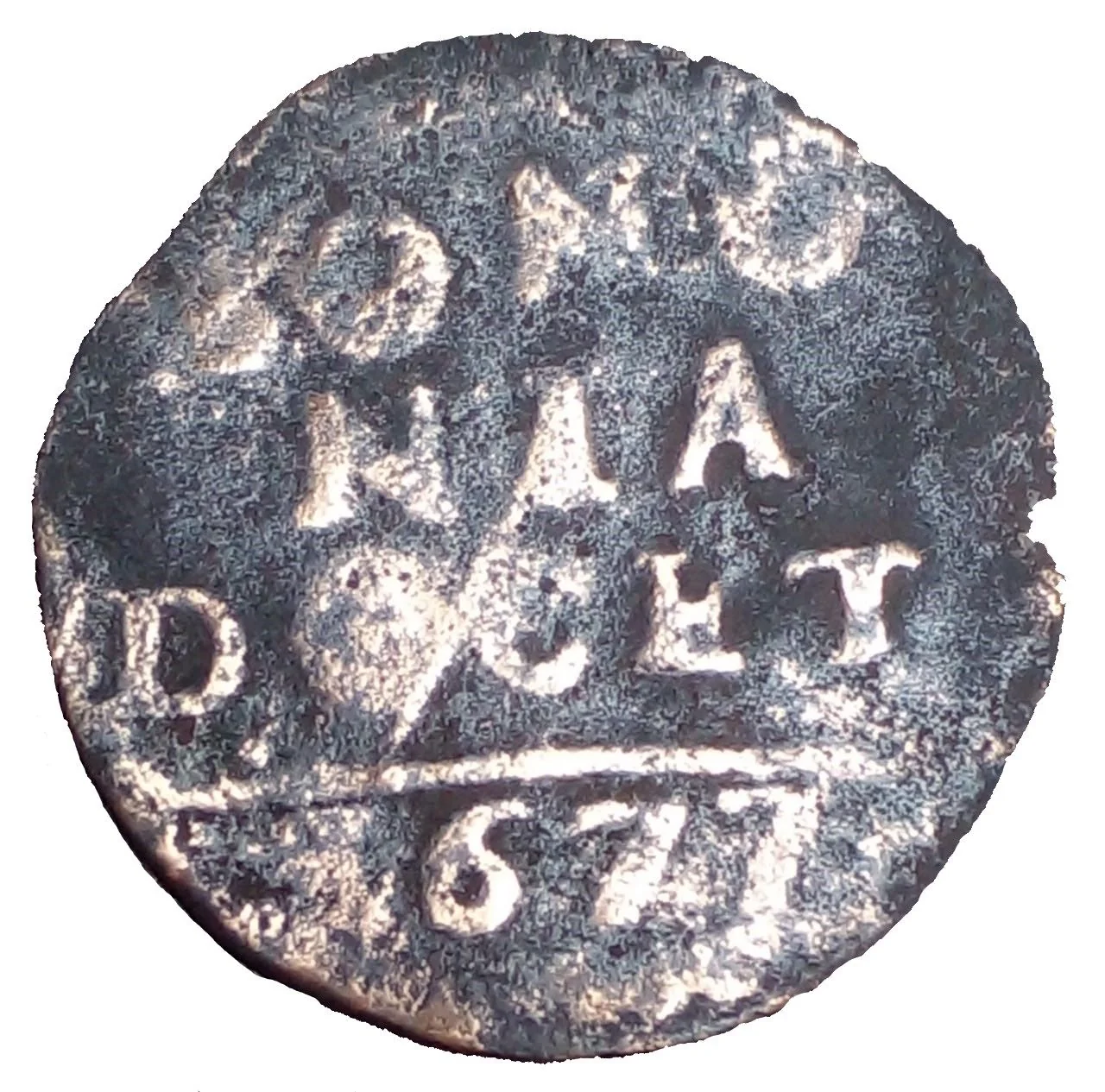
| 1677 | — | — | ||
| 1680 | — | — | ||
| 1681 | — | — | ||
| 1682 | — | — | ||
| 1683 | — | — | ||
| 1689 | — | — |
Historical background
In 1677, Bologna operated within the complex monetary landscape of the Papal States, to which it belonged. The city’s commerce relied on a bewildering multiplicity of coins, both domestic and foreign. Officially, the Papal scudo was the primary unit of account, but in daily transactions, a plethora of silver and billon coins like giuli, paoli, and baiocchi circulated alongside gold scudi and foreign currencies from neighbouring states such as the Venetian ducat or Tuscan piastra. This created a constant challenge of valuation and exchange, as the intrinsic metal content and fluctuating values of these coins required money-changers (banchi di cambio) to be central figures in the market.
The situation was further strained by the pervasive problem of currency debasement and clipping. Worn, underweight, or deliberately altered coins were common, eroding trust in everyday transactions. The papal authorities in Rome issued periodic edicts to regulate exchange rates and condemn these practices, but enforcement in Bologna was difficult. Consequently, merchants and citizens often conducted business using both the official "moneta di conto" (money of account) for bookkeeping and the physical "moneta effettiva" (effective money) for payment, with a variable premium between them.
For Bologna’s thriving silk and university economy, this unstable monetary environment introduced significant risk and friction into trade and contracts. The city’s Senate and monetary magistrates frequently petitioned Rome for clearer standards, seeking to stabilize local commerce. Thus, 1677 represents a typical year of ongoing struggle—a system reliant on ancient coinage, strained by interstate trade, and awaiting the more centralized reforms that would gradually emerge in the following century.
The situation was further strained by the pervasive problem of currency debasement and clipping. Worn, underweight, or deliberately altered coins were common, eroding trust in everyday transactions. The papal authorities in Rome issued periodic edicts to regulate exchange rates and condemn these practices, but enforcement in Bologna was difficult. Consequently, merchants and citizens often conducted business using both the official "moneta di conto" (money of account) for bookkeeping and the physical "moneta effettiva" (effective money) for payment, with a variable premium between them.
For Bologna’s thriving silk and university economy, this unstable monetary environment introduced significant risk and friction into trade and contracts. The city’s Senate and monetary magistrates frequently petitioned Rome for clearer standards, seeking to stabilize local commerce. Thus, 1677 represents a typical year of ongoing struggle—a system reliant on ancient coinage, strained by interstate trade, and awaiting the more centralized reforms that would gradually emerge in the following century.

✨ Legendary