

1 riksdaler – Sweden
Add to wishlist
Sweden
Context
Years: 1792–1795
Issuer: Sweden
Ruler: Gustav IV Adolf
Currency:
(1719—1798)
Demonetized: Yes
Total mintage: 805,743
Material
References
KM: #
Numista: #37579
Value
Bullion value: $63.67
Obverse
Description:
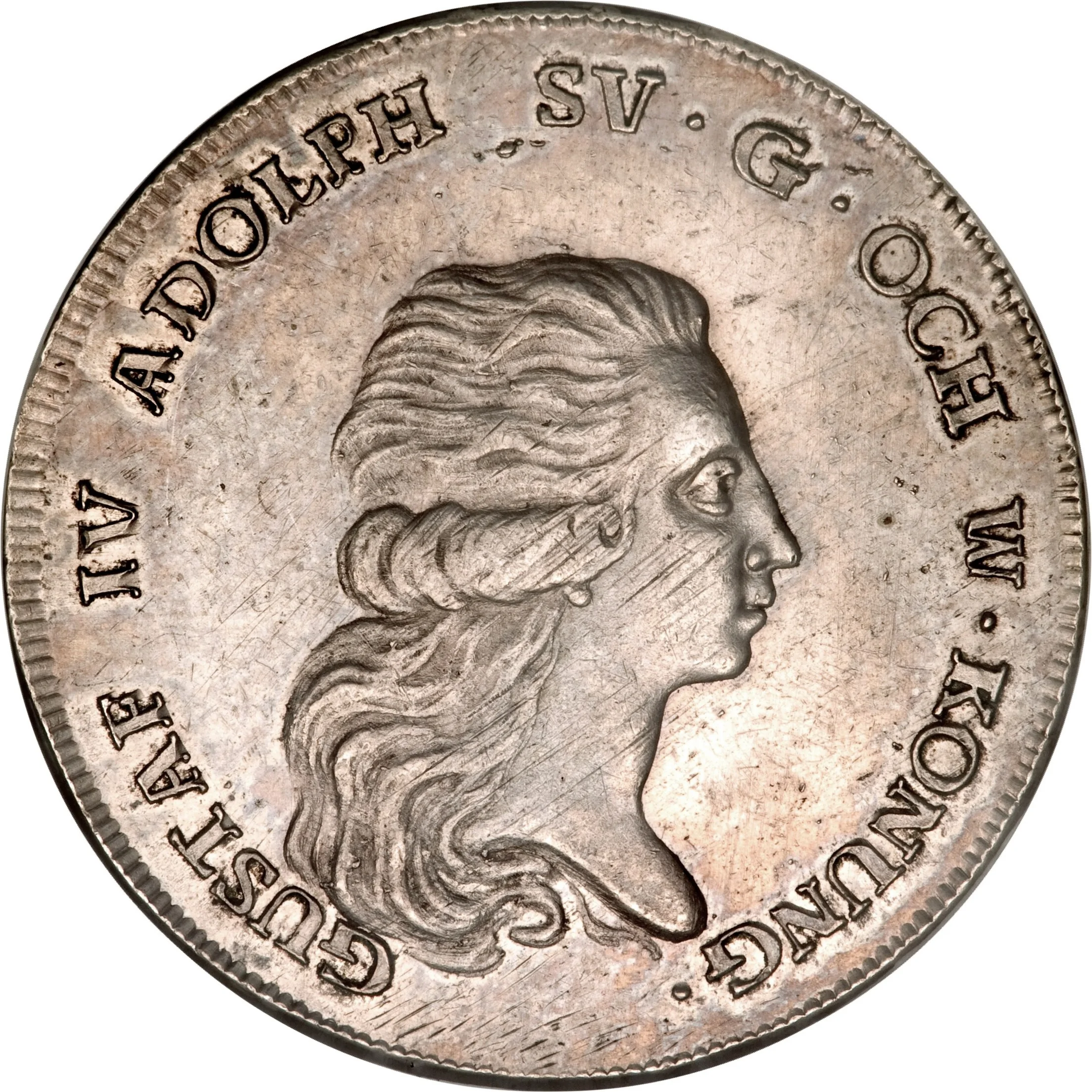
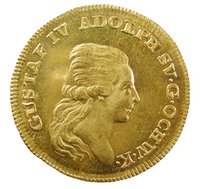
King Gustav IV Adolf, right-facing portrait. Legend encircling rim.
Inscription:
GUSTAF IV ADOLPH SV • G • OCH W • KONUNG •
Script: Latin
Reverse
Description:
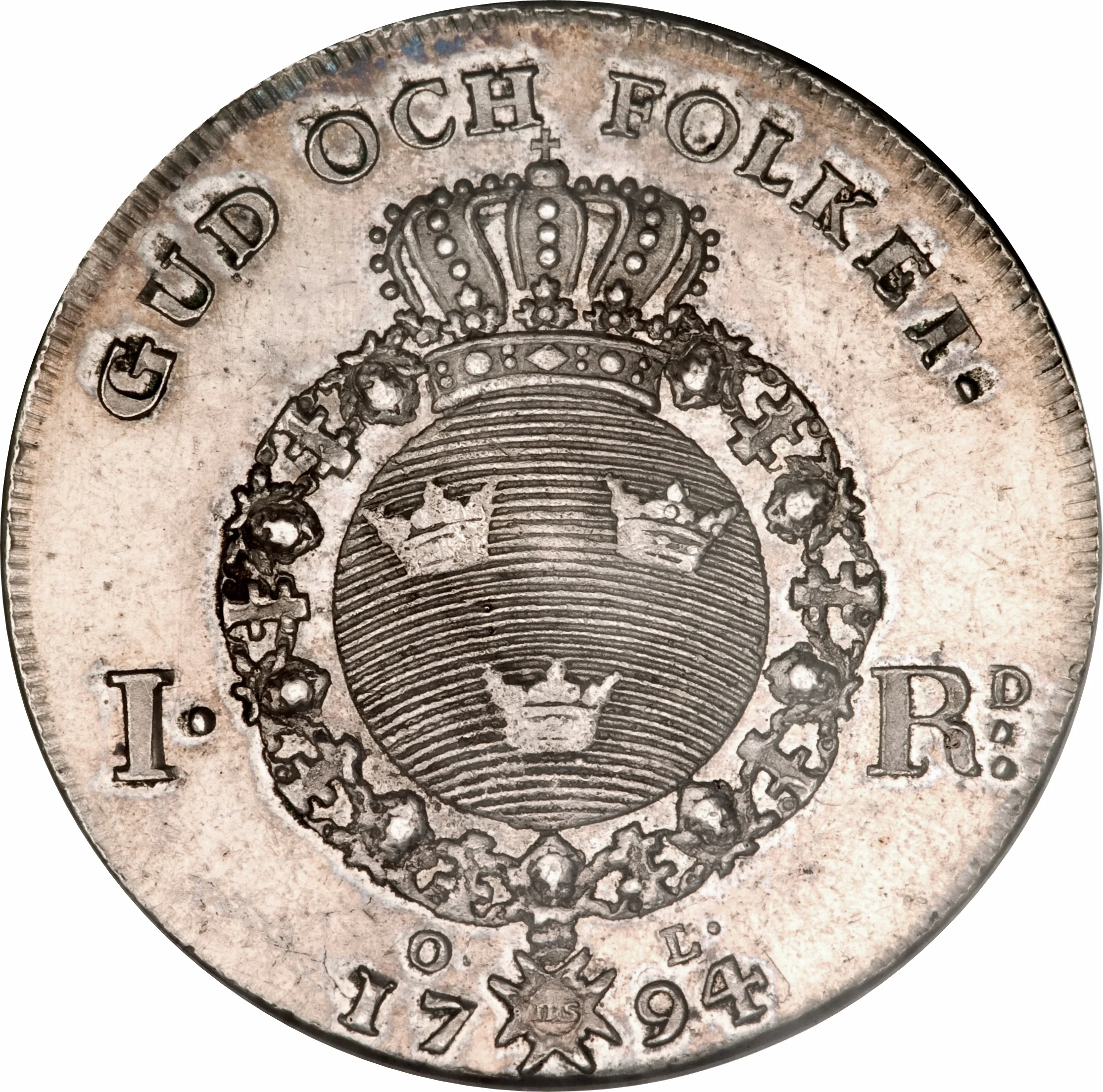
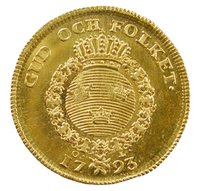
Swedish Three Crowns orb within the Seraphim chain. The pendant divides the date and mintmark; value flanks the orb. The King's motto is above the crown.
Inscription:
GUD OCH FOLKET •
I• RD:
O• L•
1794
I• RD:
O• L•
1794
Script: Latin
Edge
Categories
| Symbols> Coat of Arms |
Mintings
| Year | Mint Mark | Mintage | Quality | Collection |
|---|---|---|---|---|
| 1792 | OL | — | ||
| 1793 | OL | 261,737 | ||
| 1794 | OL | 277,783 | ||
| 1795 | OL | 266,223 |
Historical background
In 1792, Sweden operated under a complex and strained monetary system, a legacy of the disastrous Riksdaler currency introduced decades earlier. The nation was still grappling with the economic consequences of King Gustav III's costly war against Russia (1788-1790), which had been funded largely through borrowing and the issuance of irredeemable paper money known as Riksgäldssedlar. These notes, issued by the National Debt Office (Riksgäldskontoret), were not backed by silver but by future state revenues, leading to a significant loss of public confidence and a steady depreciation in their value relative to silver coinage.
This created a dual-currency economy where the silver Riksdaler specie and the paper Riksdaler banco coexisted at a fluctuating and unfavorable exchange rate. Merchants, farmers, and the public faced daily uncertainty, as prices and debts could be calculated in either unit, leading to confusion and exploitation. The intrinsic value of silver coins made them hoarded, exacerbating the shortage of solid currency in everyday circulation and pushing the economy further toward reliance on the depreciating paper notes.
The situation demanded urgent reform, placing immense pressure on the government. Following Gustav III's assassination in March 1792, the Regency government ruling for the young Gustav IV Adolf inherited this monetary crisis. Their immediate focus became stabilizing the currency, a prerequisite for restoring national credit and economic order. This set the stage for the major monetary reform that would eventually be enacted in 1803, which established the Riksdaler Riksmynt as the new unified currency, finally separating the monetary unit from the volatile silver bullion standard.
This created a dual-currency economy where the silver Riksdaler specie and the paper Riksdaler banco coexisted at a fluctuating and unfavorable exchange rate. Merchants, farmers, and the public faced daily uncertainty, as prices and debts could be calculated in either unit, leading to confusion and exploitation. The intrinsic value of silver coins made them hoarded, exacerbating the shortage of solid currency in everyday circulation and pushing the economy further toward reliance on the depreciating paper notes.
The situation demanded urgent reform, placing immense pressure on the government. Following Gustav III's assassination in March 1792, the Regency government ruling for the young Gustav IV Adolf inherited this monetary crisis. Their immediate focus became stabilizing the currency, a prerequisite for restoring national credit and economic order. This set the stage for the major monetary reform that would eventually be enacted in 1803, which established the Riksdaler Riksmynt as the new unified currency, finally separating the monetary unit from the volatile silver bullion standard.
✨ Legendary