

8 mark – Sweden
Add to wishlist
Sweden
Context
Year: 1672
Issuer: Sweden
Ruler: Charles XI
Currency:
(1665—1715)
Demonetized: Yes
Total mintage: 2,024
Material
Diameter: 41.65 mm
Weight: 31.35 g
Silver Weight:: 28.90 g
Shape: Round
Composition: 92.2% Silver
Standard: Silver ounce
Magnetic: No
References
KM: #
Numista: #37561
Value
Bullion value: $72.14
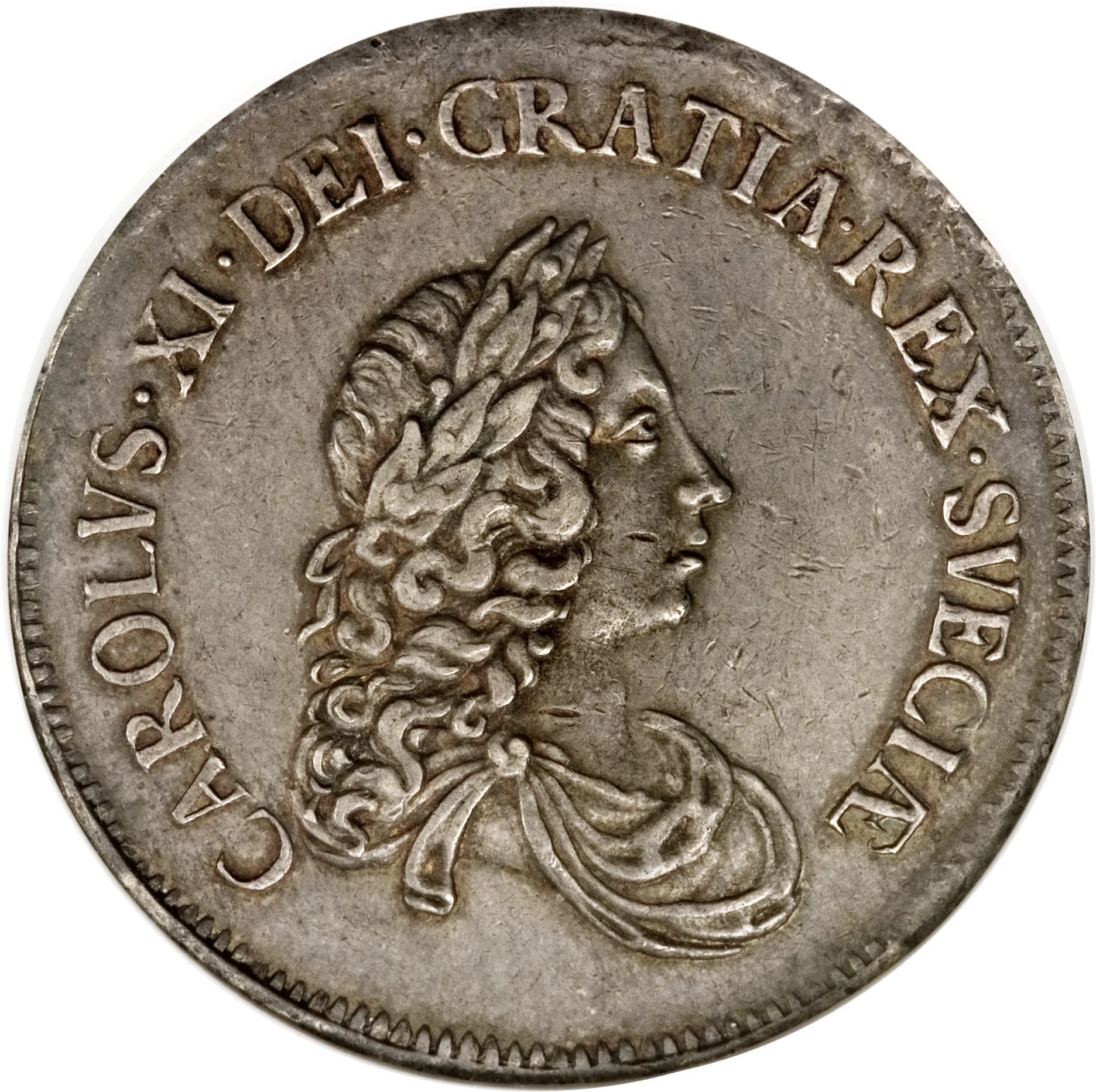
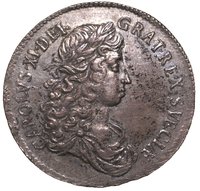
Obverse
Description:
Carl XI laureate bust right.
Inscription:
CAROLVS.XI.DEI.GRATIA.REX.SVECIÆ
Script: Latin
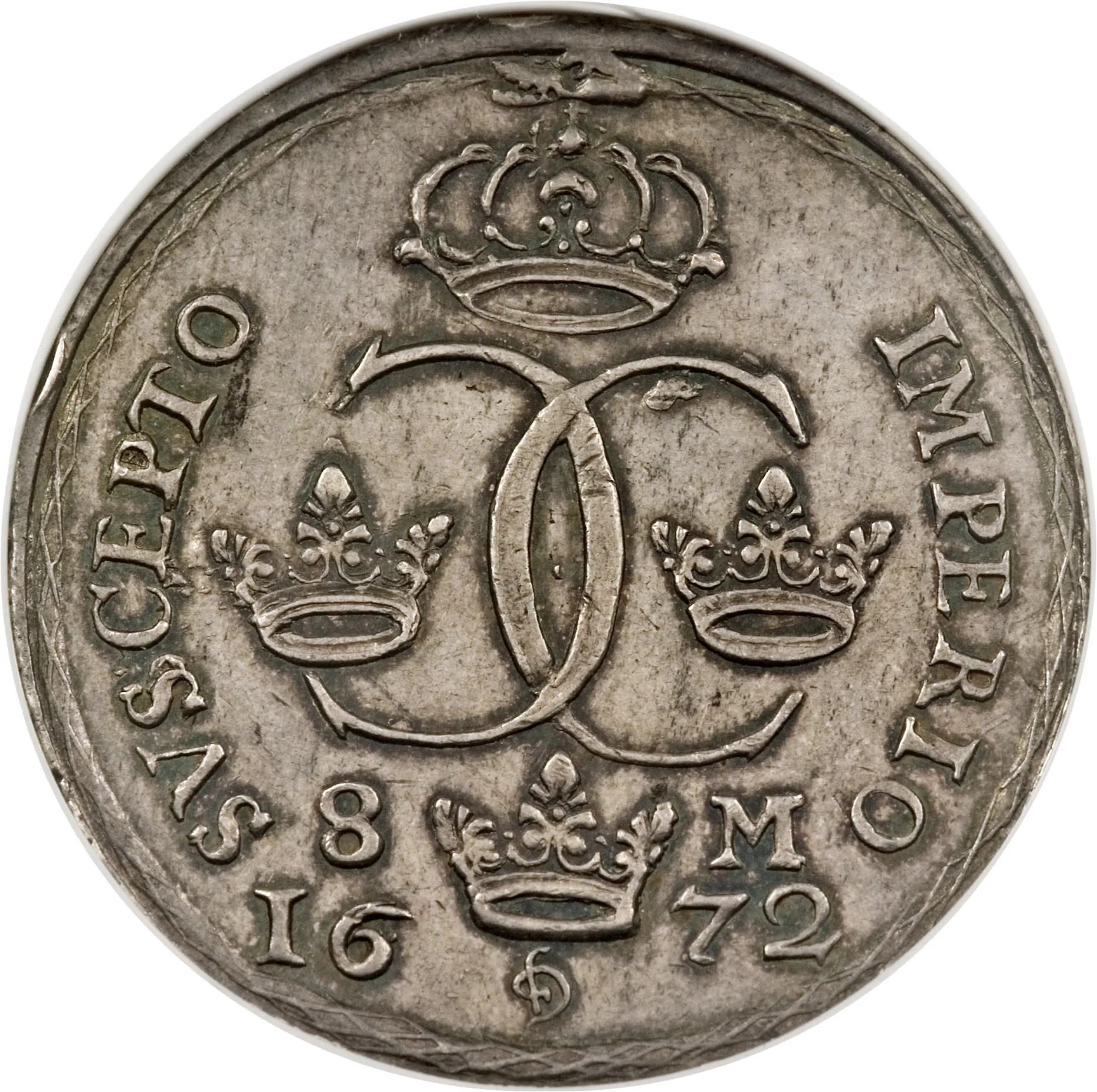
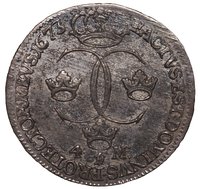
Reverse
Description:
Crowned double C monogram with three larger crowns dividing value and date. Monogram smaller than the 8 mark 1670.
Inscription:
IMPERIO SVSCEPTO
8 M
16 72
DF
8 M
16 72
DF
Script: Latin
Edge
Mintings
| Year | Mint Mark | Mintage | Quality | Collection |
|---|---|---|---|---|
| 1672 | DF | 2,024 |
Historical background
In 1672, Sweden found itself in a precarious monetary situation, a direct consequence of the aggressive foreign policy and costly wars of King Charles X Gustav and the early regency for his son, Charles XI. To finance its military ambitions as a burgeoning great power, the Swedish state had repeatedly debased its silver coinage, the daler, by reducing its precious metal content while maintaining its face value. This practice, combined with the widespread circulation of lower-quality copper daler plates (a uniquely Swedish form of heavy, intrinsic-value currency), created a complex and unstable bimetallic system where the official exchange rate between silver and copper coins rarely reflected their actual market value.
The core problem was a severe shortage of trustworthy small-denomination coinage for everyday transactions. The state's mint responded by issuing an overwhelming quantity of low-quality copper mynt and örtug coins, known as klippmynt ("clipped coin"), which contained far less copper than their face value indicated. This flood of debased coinage, alongside older full-value coins, led to Gresham's Law in action: good silver and full-weight copper coins were hoarded or exported, while the inferior klippmynt flooded the market, causing merchants to raise prices and creating significant public distrust in the currency.
By 1672, the monetary chaos had reached a critical point, severely disrupting domestic trade and state finances. The regency government, recognizing the crisis, was in the process of formulating a response. This culminated in the major monetary reform of 1674–1675, which aimed to recall and melt down the debased coinage and introduce a new, standardized system. Thus, the currency situation in 1672 was one of peak disorder, serving as the immediate catalyst for the sweeping reforms that would define the Swedish monetary system for decades to come.
The core problem was a severe shortage of trustworthy small-denomination coinage for everyday transactions. The state's mint responded by issuing an overwhelming quantity of low-quality copper mynt and örtug coins, known as klippmynt ("clipped coin"), which contained far less copper than their face value indicated. This flood of debased coinage, alongside older full-value coins, led to Gresham's Law in action: good silver and full-weight copper coins were hoarded or exported, while the inferior klippmynt flooded the market, causing merchants to raise prices and creating significant public distrust in the currency.
By 1672, the monetary chaos had reached a critical point, severely disrupting domestic trade and state finances. The regency government, recognizing the crisis, was in the process of formulating a response. This culminated in the major monetary reform of 1674–1675, which aimed to recall and melt down the debased coinage and introduce a new, standardized system. Thus, the currency situation in 1672 was one of peak disorder, serving as the immediate catalyst for the sweeping reforms that would define the Swedish monetary system for decades to come.
✨ Legendary