

2 gold ecus – France
Add to wishlist
France
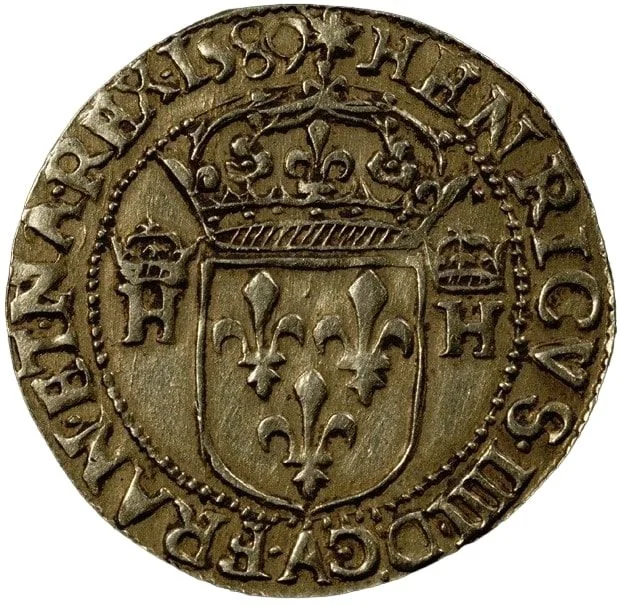
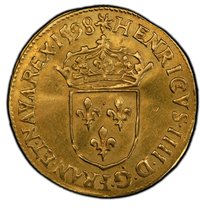
Obverse
Description:
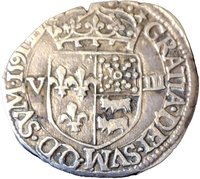
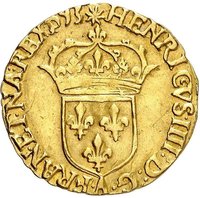
Crowned arms between two crowned H's.
Inscription:
HENRICVS • IIII • D • G • FRAN • ET • NA • REX • 1589
A
A
Script: Latin
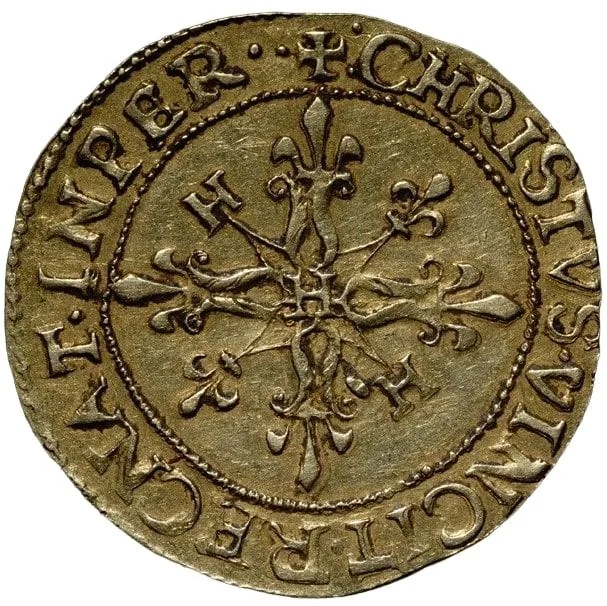
Reverse
Description:
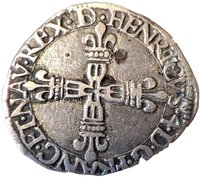
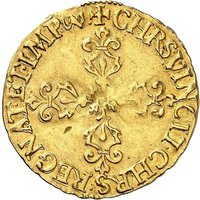
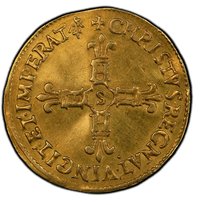
Floriated cross with H's and lis in its angles.
Inscription:
CHRISTVS • VINCIT • REGNAT • INPER •
Script: Latin
Edge
Mints
| Name | Mark |
|---|---|
| Compiègne | A |
Historical background
In 1589, France was embroiled in the final, brutal phase of the Wars of Religion, a period of profound monetary instability. The long conflict had devastated agriculture and trade, crippling the tax base just as royal expenditures for mercenary armies soared. Successive Valois kings, particularly Henry III, resorted to desperate financial measures, including the sale of offices, new taxes, and—most damagingly—the repeated debasement of the coinage. By reducing the precious metal content in coins while maintaining their face value, the crown created short-term revenue but triggered severe inflation, a loss of public confidence in currency, and economic chaos.
The monetary system itself was complex and vulnerable. France operated on a bimetallic system of gold écus and silver livres tournois, but the official exchange rates between them were fixed by royal decree, often diverging from market values. This, combined with the circulation of both legitimate and counterfeit coins of varying quality from foreign and domestic mints, created a bewildering and untrustworthy monetary landscape. Money changers and merchants thrived on the confusion, while ordinary people and creditors suffered as the real value of their coins and incomes plummeted.
The ascension of Henry IV to the throne in 1589, following the assassination of Henry III, did not bring immediate relief. The new Bourbon king, a Protestant convert to Catholicism, initially controlled only a fraction of the kingdom and faced continued military opposition from the Catholic League, backed by Spain. His precarious position forced him to continue the ruinous financial practices of his predecessors simply to fund his campaigns. Thus, the currency situation in 1589 represented both a cause and a symptom of the kingdom's near-total collapse, with genuine monetary reform impossible until after the military and political consolidation of the realm, which Henry would only achieve in the following decade.
The monetary system itself was complex and vulnerable. France operated on a bimetallic system of gold écus and silver livres tournois, but the official exchange rates between them were fixed by royal decree, often diverging from market values. This, combined with the circulation of both legitimate and counterfeit coins of varying quality from foreign and domestic mints, created a bewildering and untrustworthy monetary landscape. Money changers and merchants thrived on the confusion, while ordinary people and creditors suffered as the real value of their coins and incomes plummeted.
The ascension of Henry IV to the throne in 1589, following the assassination of Henry III, did not bring immediate relief. The new Bourbon king, a Protestant convert to Catholicism, initially controlled only a fraction of the kingdom and faced continued military opposition from the Catholic League, backed by Spain. His precarious position forced him to continue the ruinous financial practices of his predecessors simply to fund his campaigns. Thus, the currency situation in 1589 represented both a cause and a symptom of the kingdom's near-total collapse, with genuine monetary reform impossible until after the military and political consolidation of the realm, which Henry would only achieve in the following decade.
Series: 1589 France circulation coins
✨ Legendary