

4 Gold Ecus – Comtat Venaissin
Vatican City
Context
Years: 1631–1632
Country: Vatican City 
Issuer: Comtat Venaissin
Ruler: Urban VIII
Currency:
Demonetized: Yes
References
KM: #Click to copy to clipboard46
Numista: #366793
Value
Bullion value: $2301.01
Obverse
Description:
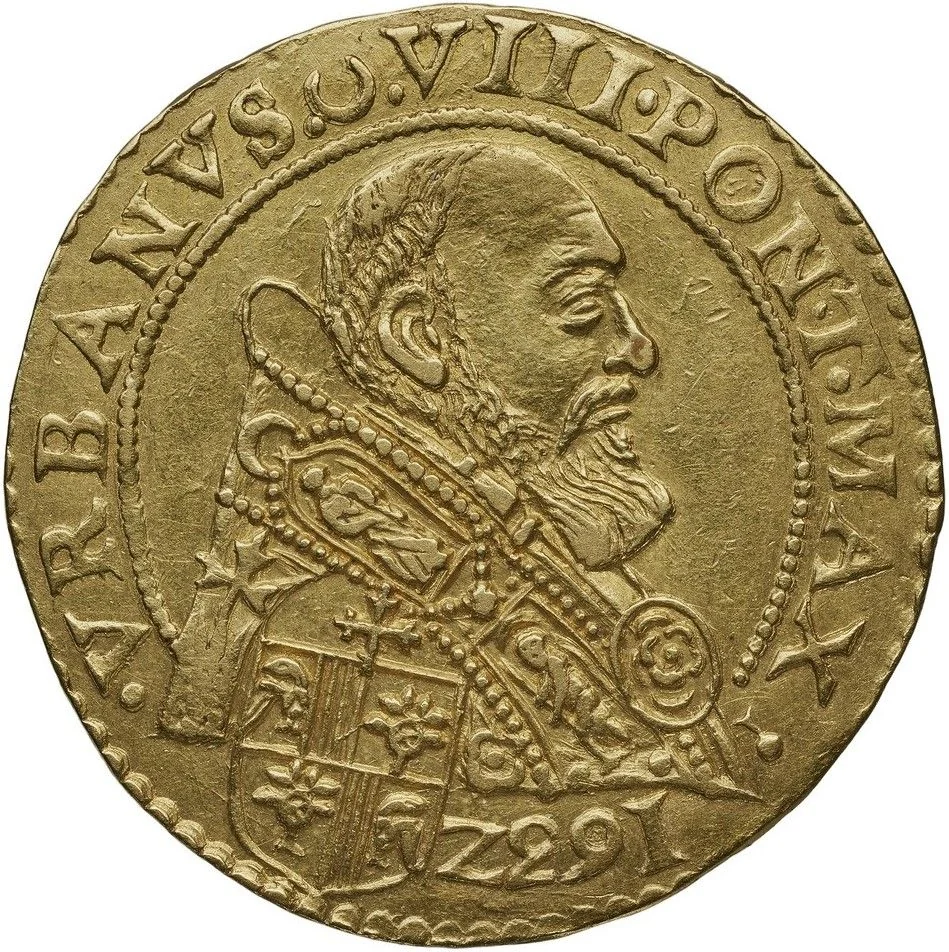
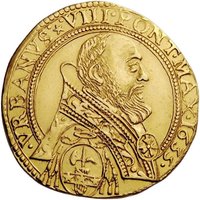
Urban VIII bust right. Filonardi arms and date beneath.
Inscription:
VRBANVS · VIII · PONT · MAX · 163Z
Script: Latin
Reverse
Description:
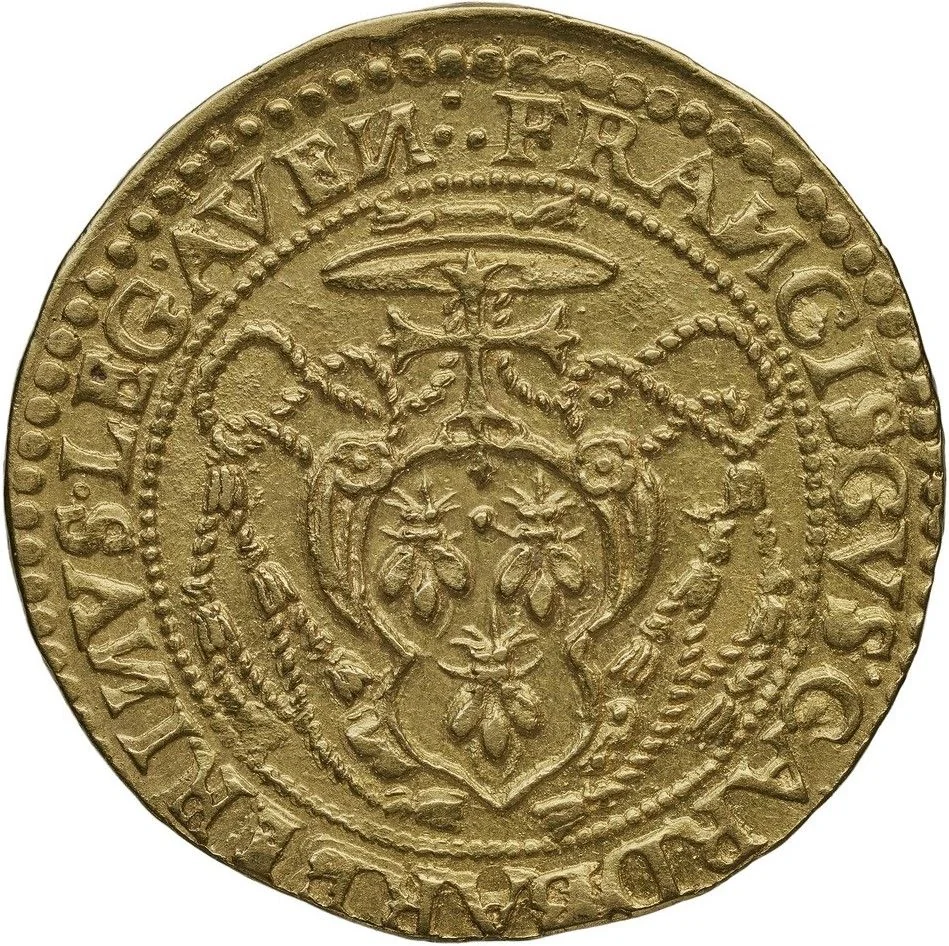
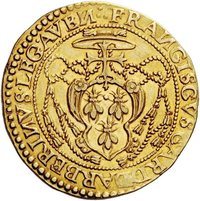
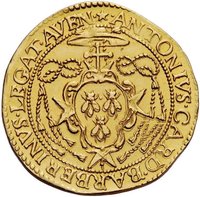
Arms of papal legate Francis Barberini.
Inscription:
FRANCISCVS · CARD · BARBERINVS · LEG · AVEN ·
Script: Latin
Edge
Categories
| Symbols> Coat of Arms |
Mints
| Name | Mark |
|---|---|
| Avignon | — |
Mintings
| Year | Mint Mark | Mintage | Quality | Collection |
|---|---|---|---|---|
| 1631 | — | — | ||
| 1632 | — | — |
Historical background
In 1631, the currency situation in the Comtat Venaissin—a papal enclave within the Kingdom of France—was defined by monetary duality and external pressure. As a possession of the Holy See, the region officially operated on the Papal monetary system, with the scudo (écu) and giulio as key coins. However, its geographic and economic encirclement by France meant that French currency, particularly the livre tournois and its subunits, circulated widely and was essential for daily trade. This created a complex bimetallic environment where exchange rates between the two systems fluctuated, often to the detriment of local peasants and merchants who faced uncertainty in transactions.
The period was one of significant monetary instability across Europe, driven by the Thirty Years' War and the aggressive fiscal policies of France under Cardinal Richelieu. France frequently manipulated its own coinage, debasing subsidiary currency to fund war efforts, which caused inflation and a flood of poor-quality French douzains and liards into the Comtat. The papal authorities in Avignon struggled to control this influx, as the porous borders made enforcement nearly impossible. Consequently, the value of small change in the Comtat became highly volatile, disrupting local markets and causing hardship for the population.
Papal responses were largely reactive and ineffectual. The legates in Avignon issued repeated ordinances attempting to fix exchange rates and prohibit the circulation of certain debased French coins, but these decrees were largely ignored in practice. The economic reality of dependence on trade with France overrode papal authority, forcing a de facto acceptance of a hybrid and unstable monetary circulation. Thus, in 1631, the Comtat Venaissin found itself caught between two sovereign powers, its currency a reflection of its political limbo—officially papal but economically tethered to a France in the throes of financially destabilizing warfare.
The period was one of significant monetary instability across Europe, driven by the Thirty Years' War and the aggressive fiscal policies of France under Cardinal Richelieu. France frequently manipulated its own coinage, debasing subsidiary currency to fund war efforts, which caused inflation and a flood of poor-quality French douzains and liards into the Comtat. The papal authorities in Avignon struggled to control this influx, as the porous borders made enforcement nearly impossible. Consequently, the value of small change in the Comtat became highly volatile, disrupting local markets and causing hardship for the population.
Papal responses were largely reactive and ineffectual. The legates in Avignon issued repeated ordinances attempting to fix exchange rates and prohibit the circulation of certain debased French coins, but these decrees were largely ignored in practice. The economic reality of dependence on trade with France overrode papal authority, forcing a de facto acceptance of a hybrid and unstable monetary circulation. Thus, in 1631, the Comtat Venaissin found itself caught between two sovereign powers, its currency a reflection of its political limbo—officially papal but economically tethered to a France in the throes of financially destabilizing warfare.
✨ Legendary