

1 doppia – Bologna
Add to wishlist
Italy
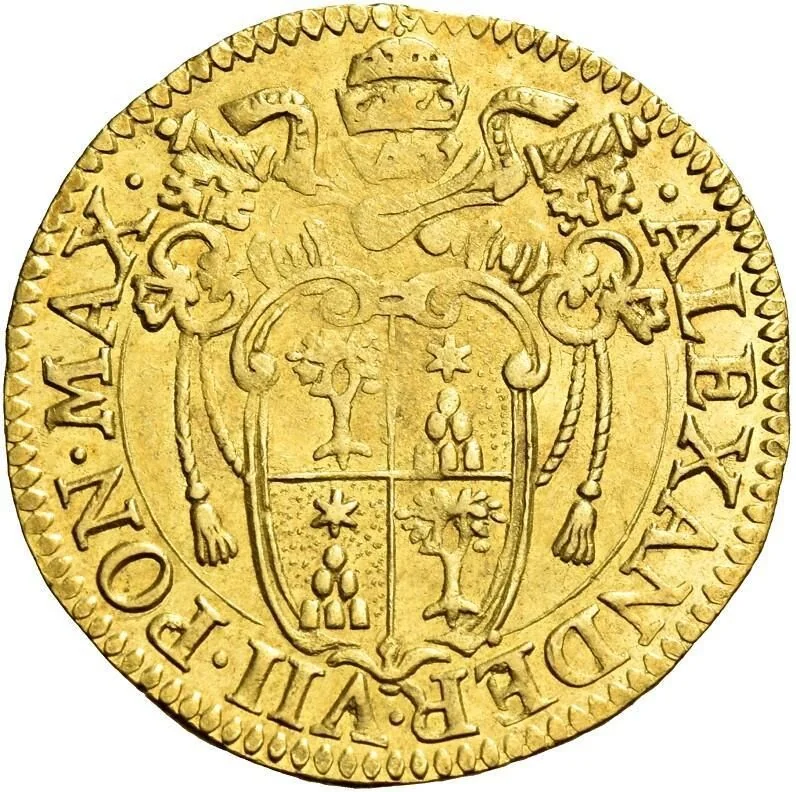
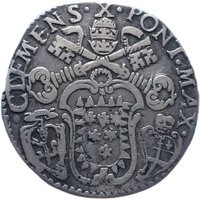
Obverse
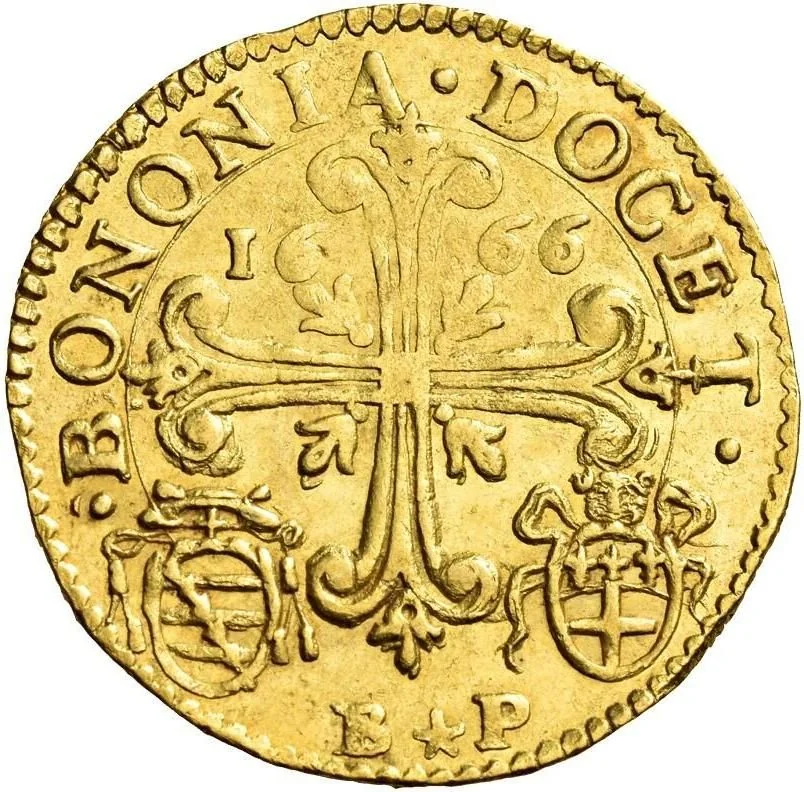
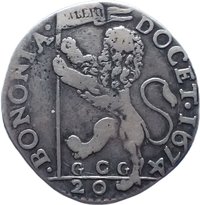
Reverse
Description:
Floriate cross divides date, two small shields below.
Inscription:
BONONIA DOCET
16 66
B P
16 66
B P
Script: Latin
Edge
Mints
| Name | Mark |
|---|---|
| Bologna | — |
Mintings
| Year | Mint Mark | Mintage | Quality | Collection |
|---|---|---|---|---|
| 1665 | — | — | ||
| 1666 | — | — |
Historical background
In 1665, Bologna operated within the complex monetary landscape of the Papal States, to which it belonged. The city did not mint its own coinage; instead, its economy relied on a multitude of circulating currencies, both domestic and foreign. Officially, the Papal scudo (gold) and giulio (silver) were the standard units of account, but in daily commerce, a bewildering array of coins from other Italian states like Florence, Venice, and Genoa, as well as Spanish silver reales, were commonly used and accepted based on their intrinsic metal value.
This situation created chronic instability and confusion. The value of these coins fluctuated constantly based on wear, clipping, and official debasements, leading to frequent disputes in the marketplace. Authorities, including Bologna’s Zecca (mint) and the papal legate, regularly issued gridas (edicts) attempting to fix exchange rates and ban underweight or counterfeit coins, but these pronouncements were largely ineffective. The core problem was a structural shortage of good, full-weight coinage, which tended to be hoarded or exported, leaving poorer quality money in circulation.
For the merchants and citizens of Bologna, this meant daily transactions required careful scrutiny of coins and often the services of a money-changer. The instability acted as a hidden tax, hindering trade and credit. While not unique to Bologna, this monetary chaos was a significant feature of its 17th-century economic life, reflecting the fragmented political reality of Italy and the weak control central authorities had over the practical realities of commerce at the local level.
This situation created chronic instability and confusion. The value of these coins fluctuated constantly based on wear, clipping, and official debasements, leading to frequent disputes in the marketplace. Authorities, including Bologna’s Zecca (mint) and the papal legate, regularly issued gridas (edicts) attempting to fix exchange rates and ban underweight or counterfeit coins, but these pronouncements were largely ineffective. The core problem was a structural shortage of good, full-weight coinage, which tended to be hoarded or exported, leaving poorer quality money in circulation.
For the merchants and citizens of Bologna, this meant daily transactions required careful scrutiny of coins and often the services of a money-changer. The instability acted as a hidden tax, hindering trade and credit. While not unique to Bologna, this monetary chaos was a significant feature of its 17th-century economic life, reflecting the fragmented political reality of Italy and the weak control central authorities had over the practical realities of commerce at the local level.
✨ Legendary