

1 Zecchino – Bologna
Italy
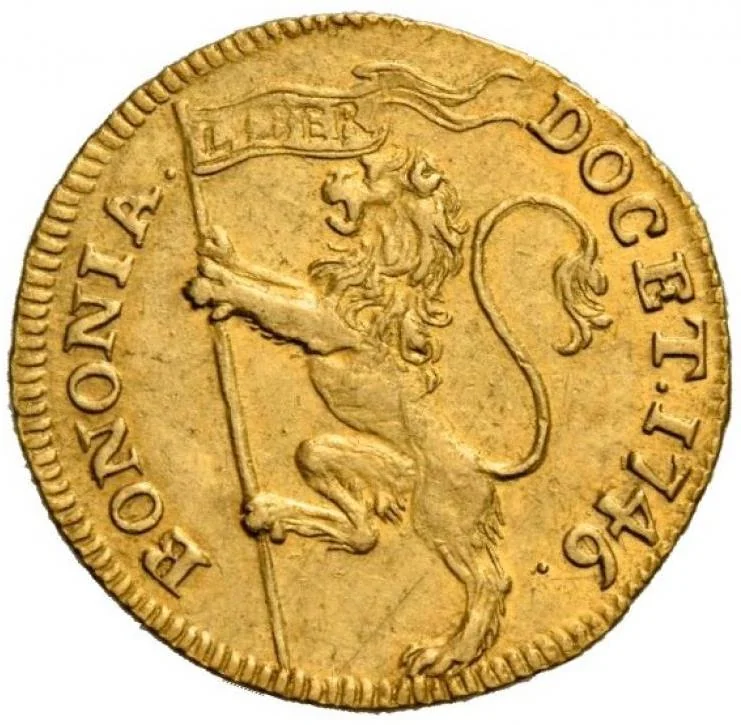
Obverse
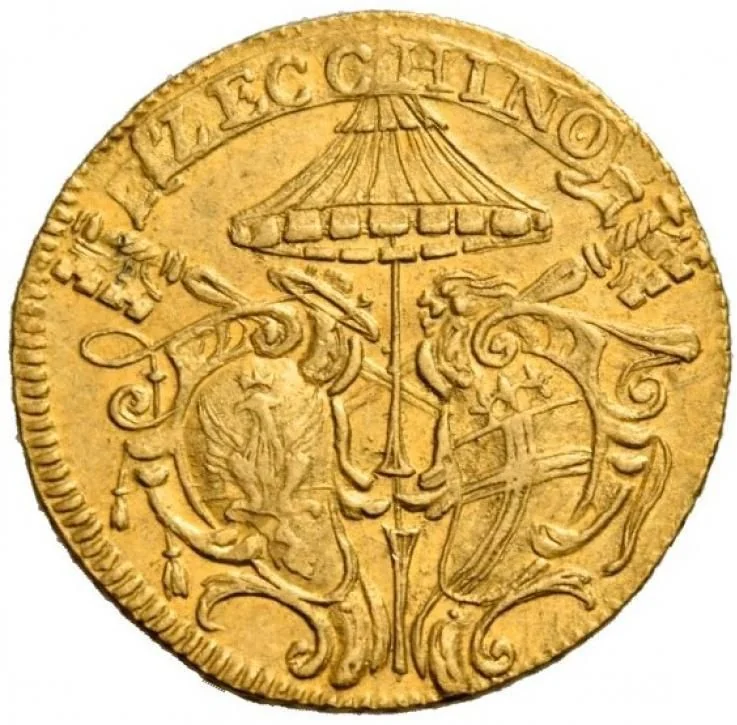
Reverse
Description:
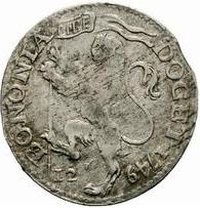
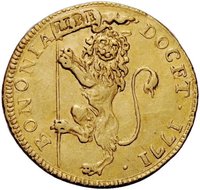
Rampant lion holding leftward banner.
Inscription:
BONONIA DOCET 1746
LIBER
LIBER
Script: Latin
Edge
Mints
| Name | Mark |
|---|---|
| Bologna | — |
Mintings
| Year | Mint Mark | Mintage | Quality | Collection |
|---|---|---|---|---|
| 1746 | — | — |
Historical background
In 1746, Bologna found itself in a precarious monetary situation, caught between the legacy of local minting authority and the overwhelming influence of foreign coinage. Officially, the city operated within the monetary system of the Papal States, to which it belonged, with the standard scudo (divided into 10 paoli or 100 baiocchi) as the central unit. However, the practical reality was one of severe scarcity and confusion. The local papal mint, the Zecca, had significantly reduced its output, leading to a critical shortage of official, low-denomination coinage needed for everyday market transactions.
This vacuum was filled by a chaotic influx of foreign silver and billon coins from neighboring states such as the Republic of Venice, the Duchy of Milan, and the Kingdom of France. These coins circulated not at their face value but at fluctuating rates determined by their actual metal content and market demand, creating a complex and unstable exchange environment. The situation was exacerbated by widespread clipping and counterfeiting of coins, which further eroded public trust. For Bolognese merchants and the populace, this meant daily commerce was fraught with difficulty, requiring constant recourse to money-changers (banchi di cambio) and leading to disputes over valuations.
The underlying causes were both economic and political. The War of the Austrian Succession (1740-1748) was raging across Europe, disrupting trade routes and causing general economic strain. Furthermore, Bologna’s political autonomy within the Papal States was in decline, and the central papal administration in Rome showed little urgency in reforming the monetary chaos in its northern territories. Consequently, in 1746, Bologna’s currency system was characterized less by official policy and more by a dysfunctional, market-driven patchwork of coins, causing significant hardship and inefficiency in the city’s economic life.
This vacuum was filled by a chaotic influx of foreign silver and billon coins from neighboring states such as the Republic of Venice, the Duchy of Milan, and the Kingdom of France. These coins circulated not at their face value but at fluctuating rates determined by their actual metal content and market demand, creating a complex and unstable exchange environment. The situation was exacerbated by widespread clipping and counterfeiting of coins, which further eroded public trust. For Bolognese merchants and the populace, this meant daily commerce was fraught with difficulty, requiring constant recourse to money-changers (banchi di cambio) and leading to disputes over valuations.
The underlying causes were both economic and political. The War of the Austrian Succession (1740-1748) was raging across Europe, disrupting trade routes and causing general economic strain. Furthermore, Bologna’s political autonomy within the Papal States was in decline, and the central papal administration in Rome showed little urgency in reforming the monetary chaos in its northern territories. Consequently, in 1746, Bologna’s currency system was characterized less by official policy and more by a dysfunctional, market-driven patchwork of coins, causing significant hardship and inefficiency in the city’s economic life.
✨ Legendary