

Obverse
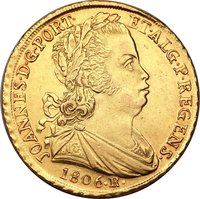
Description:
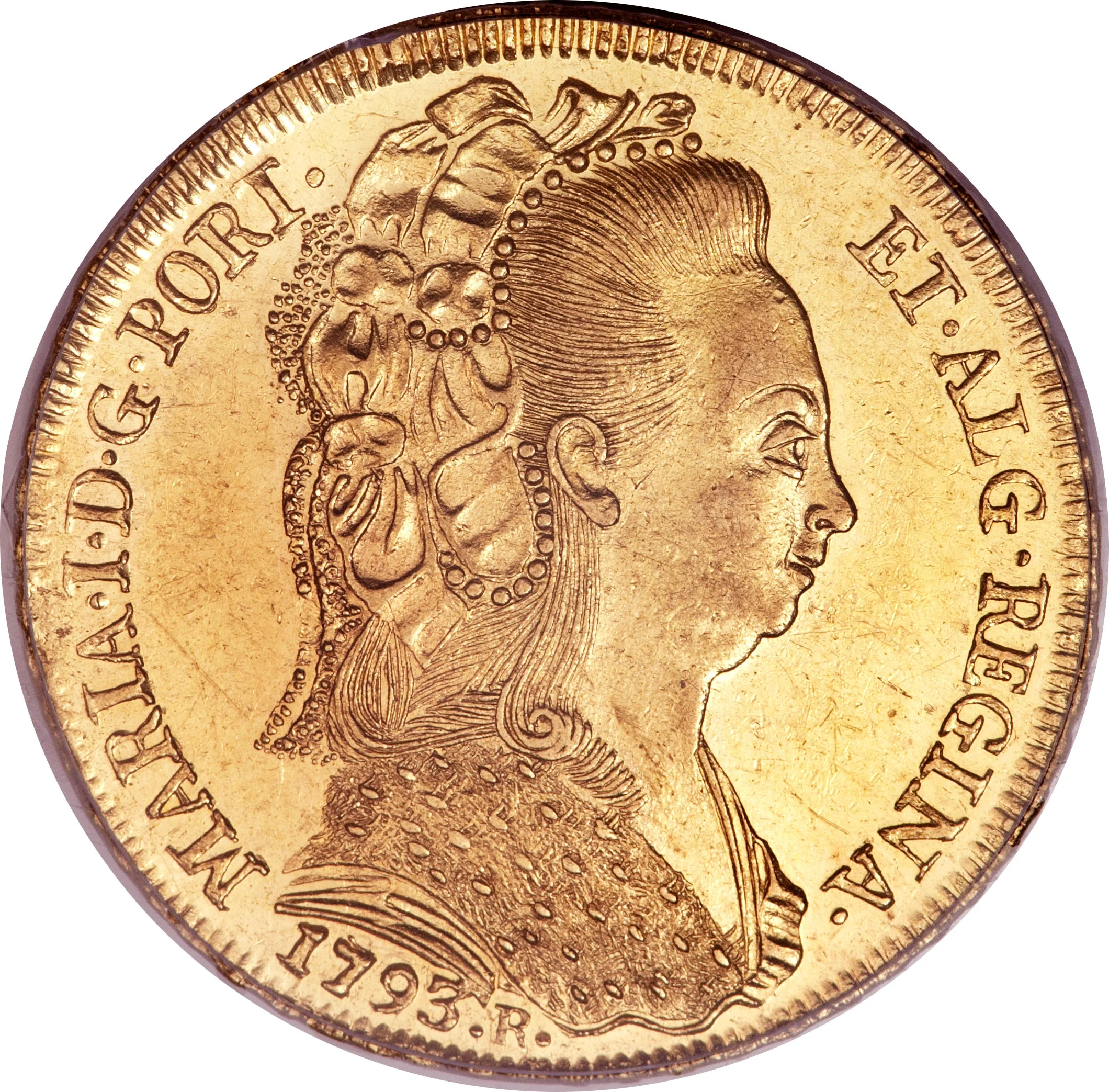
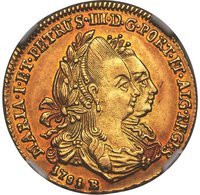
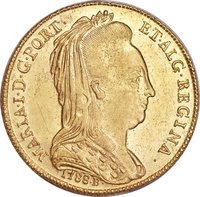
Maria I bust facing right, veiled; date and mintmark below.
Inscription:
MARIA.I.D.G.PORT.ET.ALG.REGINA
1793.R.
1793.R.
Script: Latin
Engraver: José Gaspard
Reverse
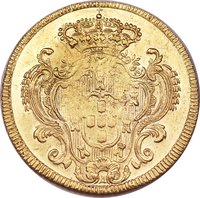
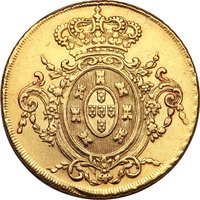
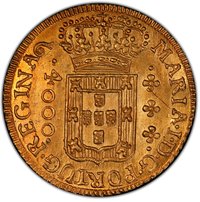
Description:
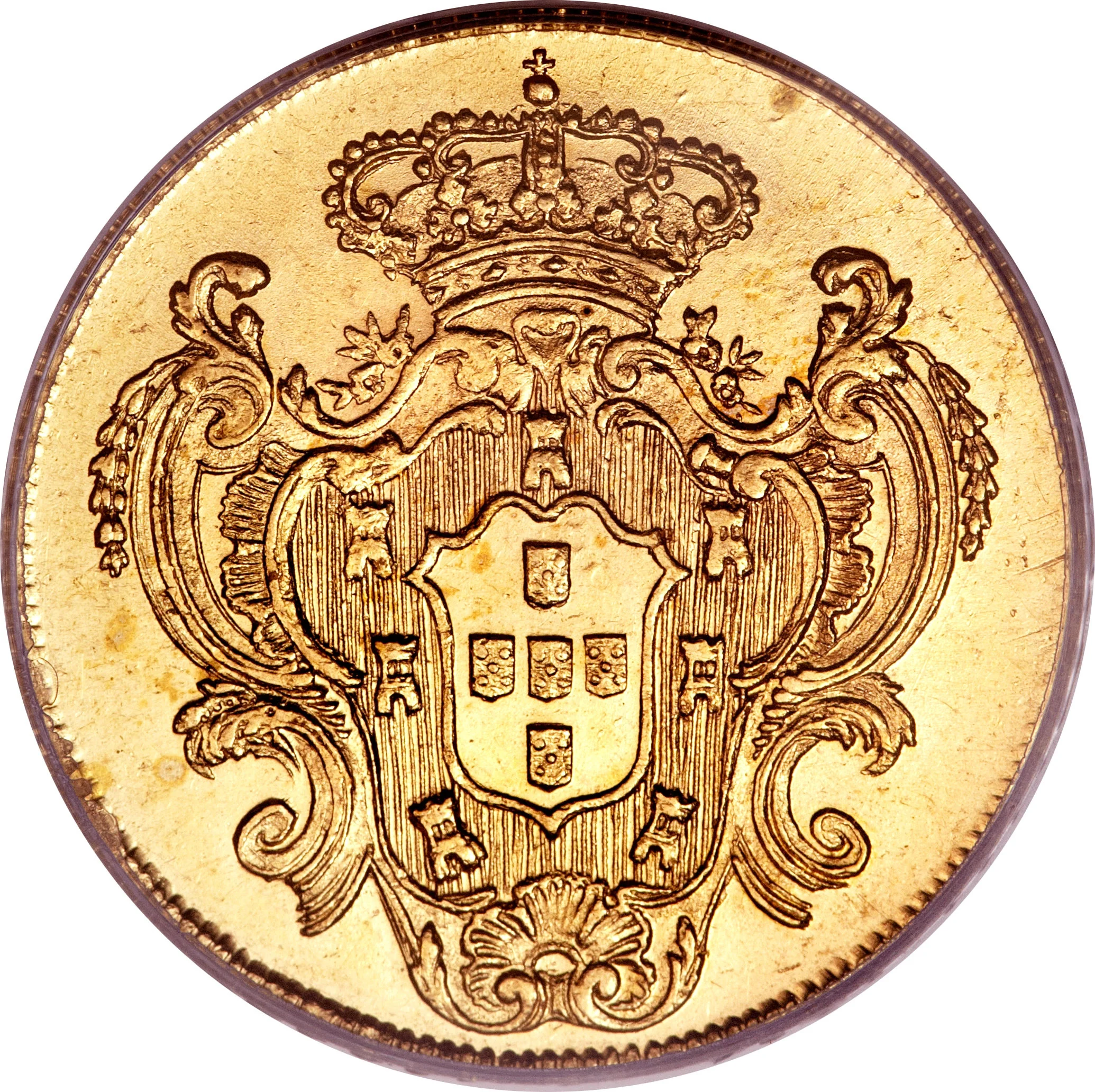
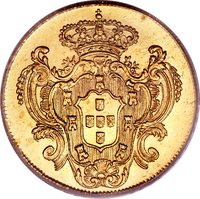
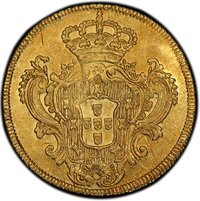
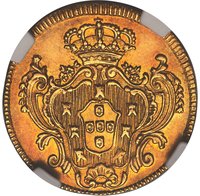
Royal arms of Maria I.
Engraver: José Gaspard
Edge
Reeded.
Mints
| Name | Mark |
|---|---|
| Bahia | B |
| Casa da Moeda do Brasil | R |
Mintings
| Year | Mint Mark | Mintage | Quality | Collection |
|---|---|---|---|---|
| 1789 | R | — | ||
| 1790 | B | — | ||
| 1790 | R | 210,968 | ||
| 1791 | B | 14,869 | ||
| 1791 | R | 230,746 | ||
| 1792 | B | 23,514 | ||
| 1792 | R | 230,428 | ||
| 1793 | B | 15,019 | ||
| 1793 | R | 237,086 | ||
| 1794 | B | 14,030 | ||
| 1794 | R | 246,442 | ||
| 1795 | B | 15,651 | ||
| 1795 | R | 225,809 | ||
| 1796 | R | 218,564 | ||
| 1796 | B | 10,528 | ||
| 1797 | B | 9,775 | ||
| 1797 | R | 213,824 | ||
| 1798 | B | 7,864 | ||
| 1798 | R | 204,430 | ||
| 1799 | B | 11,935 | ||
| 1799 | R | 189,306 | ||
| 1800 | B | 9,567 | ||
| 1800 | R | 213,666 | ||
| 1801 | B | 12,037 | ||
| 1801 | R | 185,081 | ||
| 1802 | B | 3,324 | ||
| 1802 | R | 167,813 | ||
| 1803 | B | 3,743 | ||
| 1803 | R | 176,439 | ||
| 1804 | B | 3,539 | ||
| 1804 | R | 127,652 | ||
| 1805 | R | 109,000 |
Historical background
In 1789, Brazil operated under a complex and often chaotic monetary system inherited from its colonial status under Portugal. The primary circulating currency was the Portuguese real (plural: réis), but its value and availability were severely strained. A chronic shortage of official coinage plagued the colony, leading to a reliance on a patchwork of substitutes, including crude locally minted coins, commodity money (like sugar and tobacco used in barter), and even foreign coins, particularly Spanish pieces of eight, which circulated widely due to regional trade.
This monetary instability was exacerbated by Portugal's mercantilist policies, which drained wealth from Brazil. Gold and diamonds extracted from Minas Gerais were shipped to Lisbon, leaving the colony with little precious metal to mint its own currency. Furthermore, the Portuguese Crown frequently resorted to debasement—reducing the precious metal content in coins—to finance its expenditures, which eroded public trust in the currency's value and fueled inflation. This economic pressure created widespread discontent among all social classes, from planters and merchants burdened by debt to the urban poor.
The currency crisis formed a critical backdrop to the Inconfidência Mineira of 1789, the failed independence conspiracy in the gold-mining region. While inspired by Enlightenment ideals, the revolt was profoundly motivated by local economic distress. Conspirators, many of whom were deeply indebted, specifically protested against harsh tax collection and the looming imposition of the "derrama," a royal tax meant to extract gold where production was already declining. Their proposed reforms included the issuance of a new, stable Brazilian currency and the establishment of a national bank, highlighting how monetary disorder was a direct catalyst for the first major organized movement against Portuguese rule.
This monetary instability was exacerbated by Portugal's mercantilist policies, which drained wealth from Brazil. Gold and diamonds extracted from Minas Gerais were shipped to Lisbon, leaving the colony with little precious metal to mint its own currency. Furthermore, the Portuguese Crown frequently resorted to debasement—reducing the precious metal content in coins—to finance its expenditures, which eroded public trust in the currency's value and fueled inflation. This economic pressure created widespread discontent among all social classes, from planters and merchants burdened by debt to the urban poor.
The currency crisis formed a critical backdrop to the Inconfidência Mineira of 1789, the failed independence conspiracy in the gold-mining region. While inspired by Enlightenment ideals, the revolt was profoundly motivated by local economic distress. Conspirators, many of whom were deeply indebted, specifically protested against harsh tax collection and the looming imposition of the "derrama," a royal tax meant to extract gold where production was already declining. Their proposed reforms included the issuance of a new, stable Brazilian currency and the establishment of a national bank, highlighting how monetary disorder was a direct catalyst for the first major organized movement against Portuguese rule.
Series: Serie of Shields

💎 Very Rare