

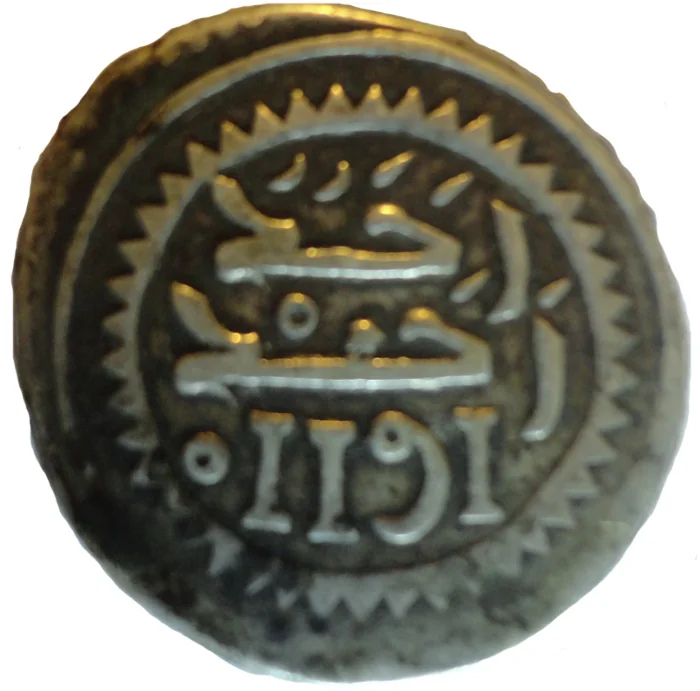
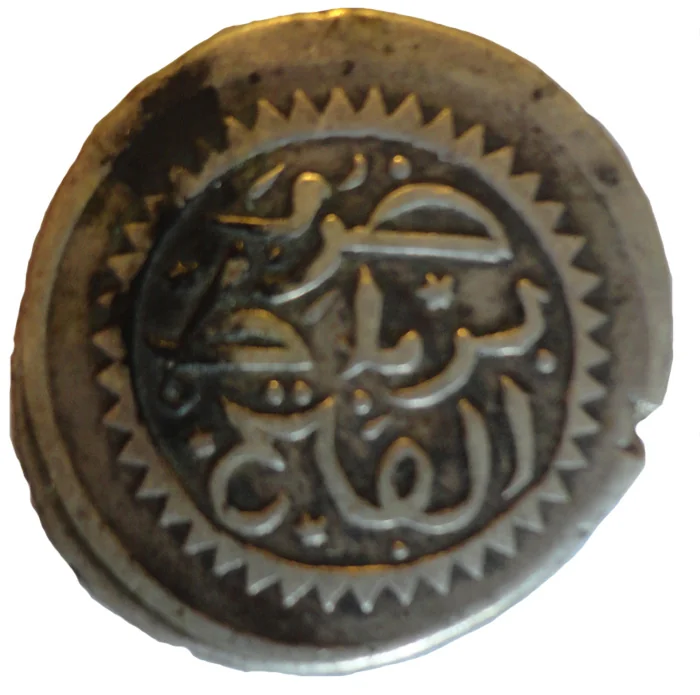
1 mithqal – Morocco
Add to wishlist
Morocco
Context
Year: 1777
Islamic (Hijri) Year:: 1191
Issuer: Morocco
Ruler: Sidi Muhammad III
Currency:
(1659—1882)
Demonetized: Yes
Material
References
KM: #
Numista: #35361
Value
Bullion value: $73.21
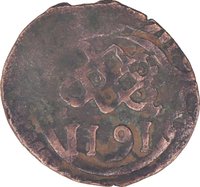
Obverse
Inscription:
احَدً
احَدْ
1191
احَدْ
1191
Script: Arabic
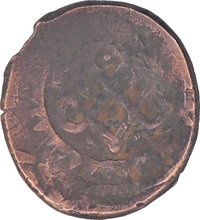
Reverse
Inscription:
ضرب
برباط
الفتح
برباط
الفتح
Script: Arabic
Edge
© lolorose34
Mintings
| Year | Mint Mark | Mintage | Quality | Collection |
|---|---|---|---|---|
| 1777 | — | — |
Historical background
In 1777, the currency situation in the Kingdom of Morocco was characterized by a complex and often chaotic multiplicity of coins in circulation, reflecting its position at the crossroads of Mediterranean, European, and trans-Saharan trade. The primary unit was the silver dirham, but its value and purity were inconsistent. Alongside these, a plethora of foreign coins circulated freely, most notably the Spanish real de a ocho (piece of eight) and other Spanish and Portuguese colonial coins, which were highly trusted for their consistent silver content. This reliance on foreign specie underscored a weakness in the central Makhzen (government) under Sultan Sidi Muhammad ibn Abdullah, who, despite his reformist ambitions, struggled to exert full control over the monetary system.
The Sultan recognized this disorder as an impediment to both domestic stability and international commerce. His reign (1757-1790) was marked by deliberate efforts to modernize the state, and monetary reform was a key pillar. He had already initiated projects like the establishment of the port of Essaouira to channel trade, and he sought to back this with a reliable currency. Consequently, the Makhzen made attempts to mint its own standardized silver coins, known as riyals, to compete with and eventually replace the dominant Spanish pieces. However, these efforts faced significant challenges, including public skepticism, the entrenched habit of using foreign coins, and the technical difficulties of maintaining consistent minting standards.
Therefore, the monetary landscape in 1777 was one of transition and contention. While the Sultan’s government actively promoted its own coinage to enhance sovereignty and economic control, the marketplace remained a hybrid system. Merchants and traders in the bustling souqs of cities like Marrakech, Fes, and the new port of Essaouira had to be adept at assessing the weight and purity of various coins, both local and foreign. This period laid the groundwork for more centralized control in the following century, but in 1777, the currency situation remained a tangible reflection of Morocco’s struggle to balance its deep-rooted trading traditions with the demands of a modernizing state.
The Sultan recognized this disorder as an impediment to both domestic stability and international commerce. His reign (1757-1790) was marked by deliberate efforts to modernize the state, and monetary reform was a key pillar. He had already initiated projects like the establishment of the port of Essaouira to channel trade, and he sought to back this with a reliable currency. Consequently, the Makhzen made attempts to mint its own standardized silver coins, known as riyals, to compete with and eventually replace the dominant Spanish pieces. However, these efforts faced significant challenges, including public skepticism, the entrenched habit of using foreign coins, and the technical difficulties of maintaining consistent minting standards.
Therefore, the monetary landscape in 1777 was one of transition and contention. While the Sultan’s government actively promoted its own coinage to enhance sovereignty and economic control, the marketplace remained a hybrid system. Merchants and traders in the bustling souqs of cities like Marrakech, Fes, and the new port of Essaouira had to be adept at assessing the weight and purity of various coins, both local and foreign. This period laid the groundwork for more centralized control in the following century, but in 1777, the currency situation remained a tangible reflection of Morocco’s struggle to balance its deep-rooted trading traditions with the demands of a modernizing state.
Series: 1777 Morocco circulation coins

✨ Legendary